








About a month after biologists discovered DNA from an aquatic invasive species in the Upper Colorado River basin, a live adult zebra mussel was collected, confirming the threat of an invasion in the Colorado River in Utah.
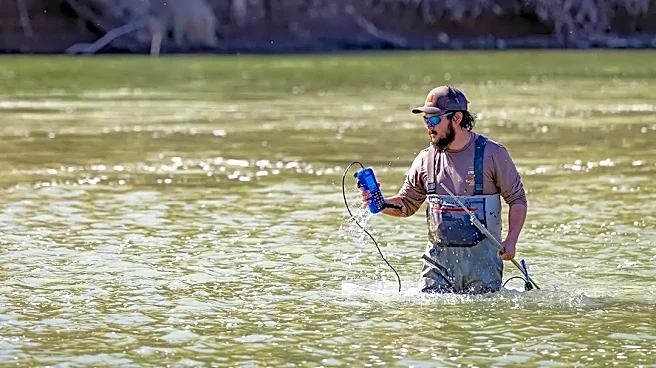
Utah Division of Wildlife Resources biologists collected the specimen below the Westwater Recreation Area on Sept. 22, and test results confirmed the finding on Oct. 7, the Utah Division of Wildlife Resources announced
.
Zebra mussels are an emerging threat in the Upper Colorado River Basin as they disrupt aquatic ecosystems, threaten infrastructure by clogging pipes, and present safety hazards for recreational users.
Also on FTW Outdoors: Emerging threat discovered in Colorado River in Utah for first time
"Utah is dedicated to
coordinating with our partners to contain and manage this aquatic invasive species threat," DNR Law Enforcement Aquatic Invasive Species Statewide Operations Lt. Bruce Johnson said. "We need everyone's help to protect our waterways. If you’re getting out on the water — whether on a boat, kayak or paddleboard — please make it a habit to clean, drain and dry your gear every single time. It's a simple step that makes a huge difference."

An established infestation was documented near Loma, Colorado in 2025, prompting DWR to begin more extensive sampling for invasive mussels on the Utah side of the Colorado River from the state line to Moab—areas downstream from the infestation.
In June and July, an environmental DNA autosampler was deployed at a new location near the Potash Boat Ramp, about 14 river miles downstream of Moab.
Daily water samples were analyzed by the U.S. Geological Survey for zebra and quagga mussel DNA. Four of 22 samples came back positive for zebra mussel DNA during this period.

Then the live specimen was found during monitoring efforts in September.
"DWR and DNR law enforcement will remain vigilant and will continue to work with USGS, the National Park Service and the Bureau of Land Management to better understand the status of zebra mussels in the Colorado River within Utah and respond accordingly," the DWR stated.
The public also has a duty in the effort.
Those who launch motorized boats in Utah are required to pay an annual aquatic invasive species program vessel enrollment fee, which helps the Department of National Resources operate the state’s program to keep the invasive species from spreading around Utah.
Additionally, all river users in Utah—including nonmotorized watercraft such as canoes, paddleboards and rafts—are required to complete Utah’s annual mussel-aware boater course.
"As some of the primary users of the Colorado River, nonmotorized boaters are our first line of defense in helping reduce the risk of transporting this species from the Colorado River to other waters in the state," DWR Aquatic Invasive Species Coordinator Trina Hedrick said. "All boaters are required to clean, drain and dry all watercraft when moving between waterbodies to help prevent the spread of aquatic invasive mussels. We need everyone to get serious about this threat and help us stop the spread."
This article originally appeared on For The Win: Invasion threat confirmed in Colorado River in Utah