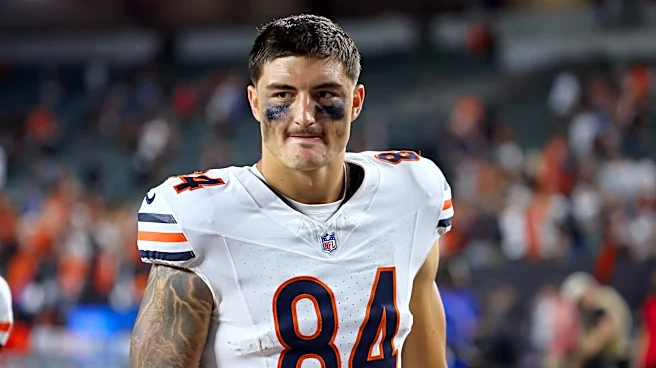



Entering 2026, both the Chicago Bears and fantasy football players had high expectations for young tight end Colston Loveland. The second-year pass-catcher enjoyed an eye-opening breakout rookie season, where he was really only a factor during the second half of the year. The easy assumption to make after the fact was that Loveland would pick up where he left off and be an immediate layup of a TE1 for fantasy football managers as the ascending Bears funneled their offense through him from the jump this year.
That, uh, has certainly not been the case so far. Ahead of a Monday night home game against the Philadelphia Eagles, Loveland has one catch on five targets for three yards. Total. For someone many thought to be the Bears' top offensive weapon,
Loveland has been pretty invisible, a complete non-factor as both the Bears and fantasy managers alike scramble to try and figure out what's going on.
I won't tell any managers of Loveland that they shouldn't be at least somewhat concerned after two dud games in a row. But it's important to put those two games in context before giving up on Loveland altogether.
In Week 1, the Bears' offense put up a whopping 59 points against the Carolina Panthers. When Loveland wasn't doing anything as a pass target, it was understandable because almost everyone else was eating and racking up yards and touchdowns. The Bears didn't feel the need to force the issue with Loveland because they didn't need him to step up when their overall offense faced little resistance.
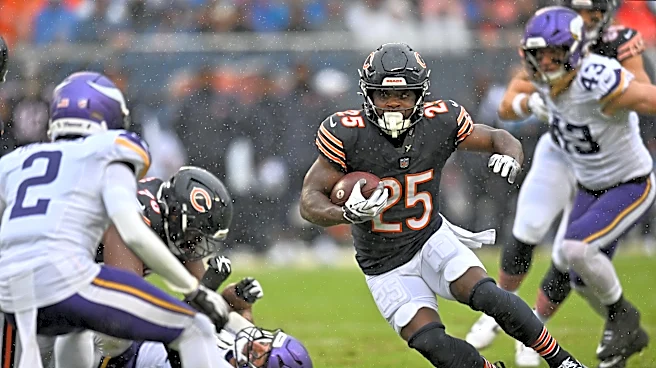
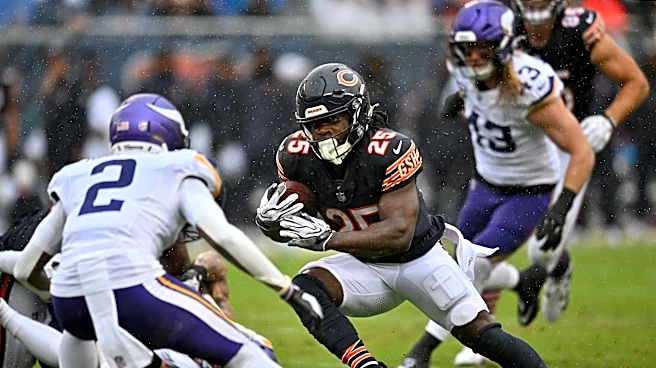
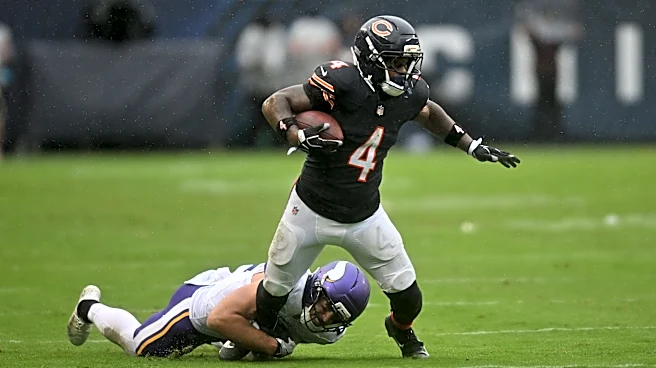
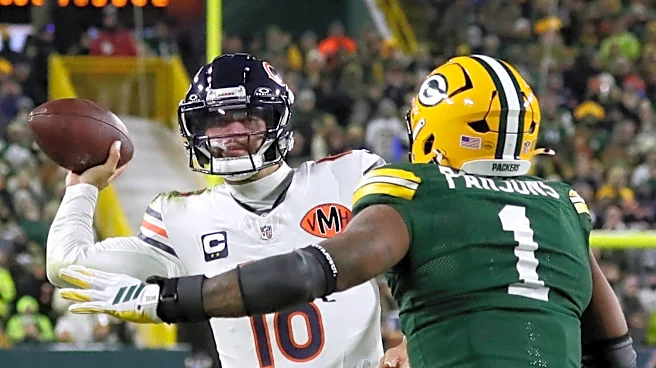
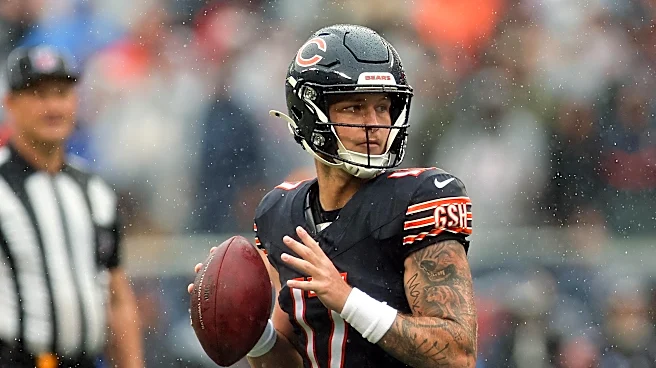
In Week 2, a torrential downpour in Chicago combined with the Minnesota Vikings' Brian Flores' aggressive blitzing defense, and a fourth-quarter injury to Caleb Williams meant no Bears pass target was all that viable. Why? Because no one could throw the ball in a consistent downpour of rain! Sure, it sucks that Loveland didn't do much in said matchup, but neither did any pass-catcher on either team. For a good example: Justin Jefferson, arguably the NFL's top receiver, only caught three passes for 55 yards, but was otherwise forgettable.
All around, the Bears have also seemed pretty content to use Loveland as an improved run-blocker for their dynamic running game. That, of course, doesn't translate to fantasy football, but it is a good sign of him maintaining high snap counts as a key Chicago offensive centerpiece.
Moving forward, I would still slot Loveland as a bona fide TE1 without hesitation. With Williams out for a few weeks, expect to see the Bears' backup quarterbacks use Loveland as a trusted safety valve to help keep the Chicago offense in a healthy rhythm. Loveland would undoubtedly be a better play with Williams' play extension available, but I have a hunch he'll become more of the focal point we all expected as the Bears return to the meat and potatoes of their offensive scheme.
Hold the line, Loveland fantasy managers. Your patience should be rewarded very soon.
This article originally appeared on For The Win: Should you still trust the Bears' Colston Loveland in fantasy football?