

Since their inception in the 2024 offseason, the NBA's salary cap aprons have received more than their fair share of criticism.
For one, I've called the apron rules draconian and an easy excuse for NBA owners of winning teams to set manufactured (read: fake) limits on their spending. More than that, though, for something apparently installed for competitive balance, they actually seem to punish any bog-standard NBA organization for building a solid team the right way, no matter the market size, when they can't "afford" to keep their nucleus together as much as they would otherwise like.
This sentiment, quite obviously, seems counterintuitive to fan interest, as folks will get invested in their ascending teams and watch them get broken apart much
sooner than they probably should. The NBPA has even maintained that the players have unfortunately carried the heaviest burden with the aprons because they artificially reduce salaries and make it harder for non-stars to sign new contracts in free agency.
It's a real mess, all around, dearest readers.
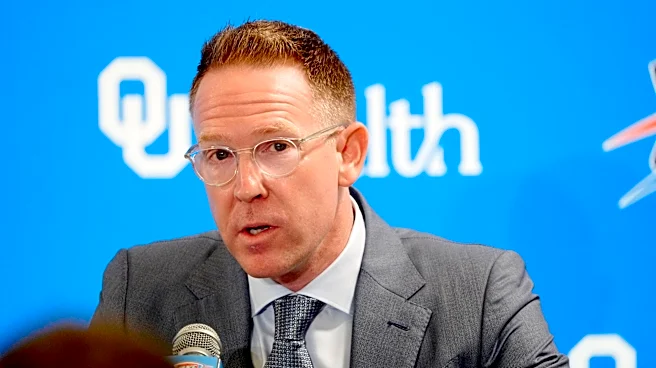
On Thursday, during his preseason press conference for the Oklahoma City Thunder, team general manager Sam Presti tried to clarify what he thinks are the real purpose of the aprons. Presti is in a unique position to offer his opinion because he manages one of the title-contending teams that could be affected by the second apron for the foreseeable future and is also widely considered arguably the best executive in the association.
Presti first ensured he acknowledged why some people might be frustrated by the apron rules because they're attacking it from their personal perspective. For him, he sees the aprons as an executive; another roadblock or challenge he simply has to deal with and treat accordingly.
This entire ensuing tangent is worth reading in full:
Sam Presti on 2nd apron:
— Rylan Stiles (@Rylan_Stiles) September 24, 2026
"I think it is polarizing because the people that talk about it all have a point of view as to how they're experiencing it. So I think that's the first thing.
I would look at it this way also. Probably shouldn't mention it this way. What were they…
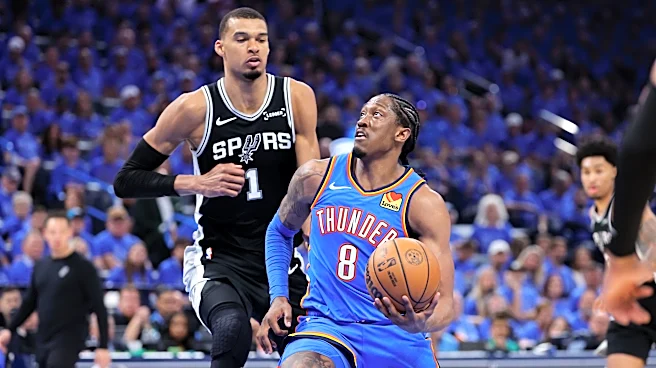
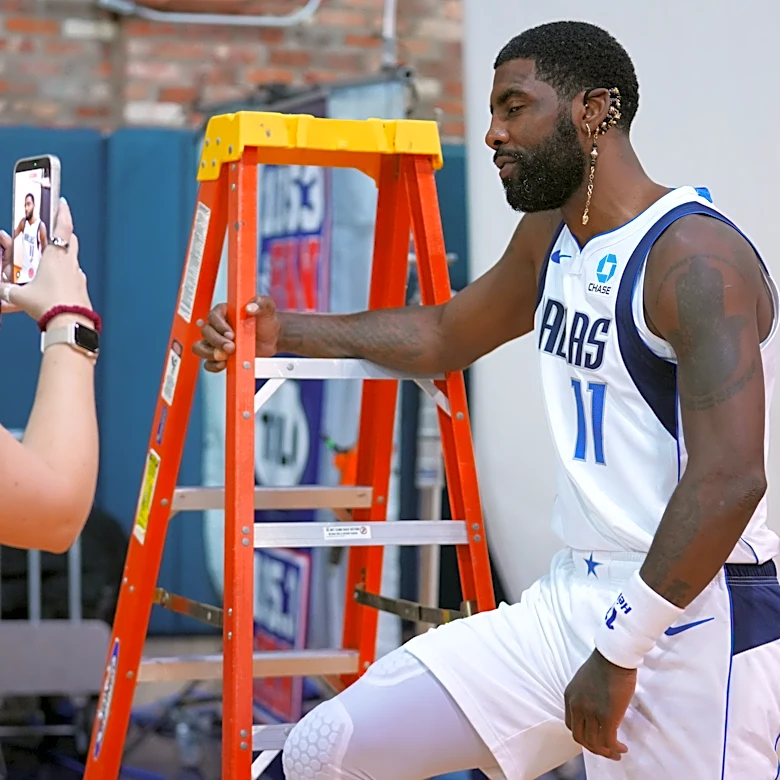
As the lead executive of one of the NBA's smallest TV markets, it's notable that Presti appears to appreciate how the aprons were ostensibly designed to level out the playing field between organizations with bigger pockets and those who, you know, don't have them. Citing several contenders in recent years who spent beyond the luxury tax, like the Boston Celtics acquiring Jrue Holiday or the Dallas Mavericks getting Kyrie Irving, is a valid point to make when you are operating within the constraints of being the Thunder's general manager.
It's interesting, then, that Presti notes how the aprons limit contention windows and maximizing once-in-a-generation moments for franchises, and that ... he doesn't mind that? He almost seems to view entering any of the aprons as a strategic calculation (read: a necessary evil) for teams who want to compete for championships simply have to make:
"The aprons are intended so if you are a high-spending [NBA] team, you're not in a position to add more talent.
Now, what are they not designed to do? Well, they're not designed to tell a team that may feel in any market that they have a very unique moment in their organizational history to pursue excellence, to say, hey, we might be here for 50 years, maybe more; this five years in the luxury tax may be something we want to be aggressive about because we don't know how many more teams like this we're going to have in said market, wherever that is. This could be anywhere ...
... The aprons are so that once you're at that level, you can't add more talent, and I think that's all getting mixed up with the way people present it. That's the most succinct and simple way I can answer that."
My only follow-ups to Presti here are similarly succinct and simple.
Why is it a problem that a contender could previously add more talent without stringent penalties? It seems a little silly that any squad could build something from the ground up for years only to watch it all vanish in a potentially shorter time period. The NBA has a revenue-sharing pool amongst all the owners. Everyone is making the same profits off every season. Sure, some owners are wealthier (in some cases, extremely wealthy) for reasons outside the NBA, but adding more talent should ultimately be a decision about personal spending, not telling everyone we have to have an equal line because some seemingly don't want to. Isn't it a little bit shortsighted to artificially punish a team for actually trying to win at all costs? To potentially punish long-suffering fans who finally get to watch their teams be great but only for so long?
Ultimately: Why do we need mandated parity that seems to, on some level, hurt everyone but the 30 richest people in the league?
To me, it appears that Presti thinks critics of the aprons are misconstruing the intention behind them. No, no. I can assure him everyone perfectly understands why they're in place. At face value. And that's the problem. Everyone has the capacity to look at this apron situation beneath the surface, and it's understandably frustrating.
This article originally appeared on For The Win: Sam Presti perfectly distilled the purpose behind the NBA’s controversial salary cap aprons