

In 2026, a college football coach needs a deep roster of boosters as much as he needs a deep roster of players. A Rolodex of affluent individuals you can ask to tap their rainy-day fund may prove as valuable as the 5-star prospect they can help you buy.
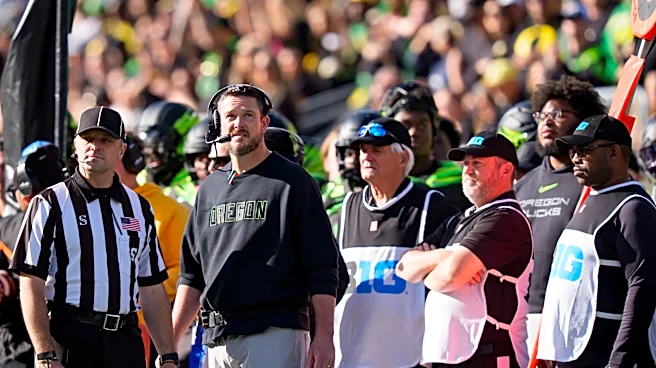
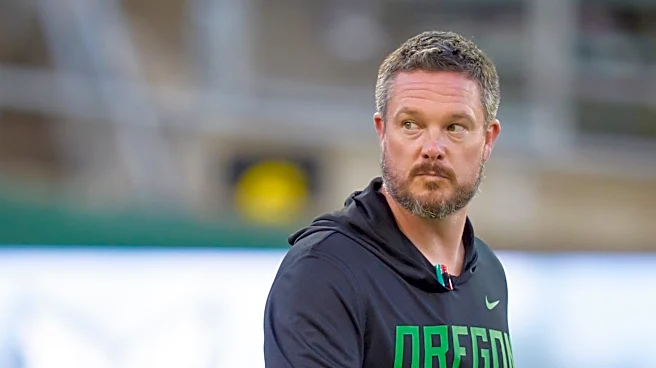
In the world of name, image, and likeness, capital has become as influential as talent, and Oregon Duckshead coach Dan Lanning knows it well.
That's partly why he chose Eugene as his new home in the winter of 2021, packing up his family and moving them across the country to the Pacific Northwest. Among the Firs, he could rub elbows with the likes of Phil and Penny Knight, Pat Kilkenny, and the Papès. At Oregon, funding was never an issue, as long as "innovation" remained the buzzword of choice.
That funding has helped Lanning build playoff-caliber rosters while he amassed an impressive 51-10 record in his first five years at the helm.
But what happens if that funding starts to dry up? When the spigot gets turned off? The interest wanes? The losses pile up? The belief fades?
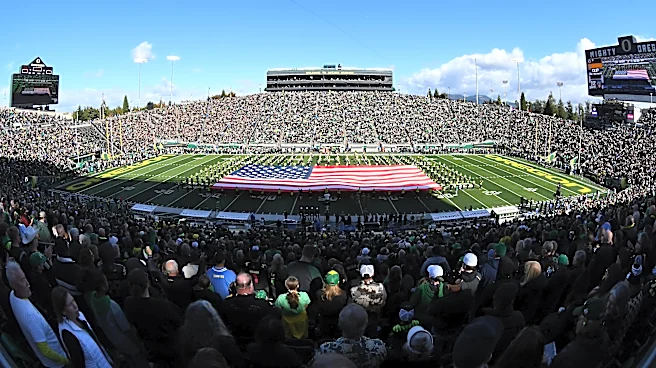
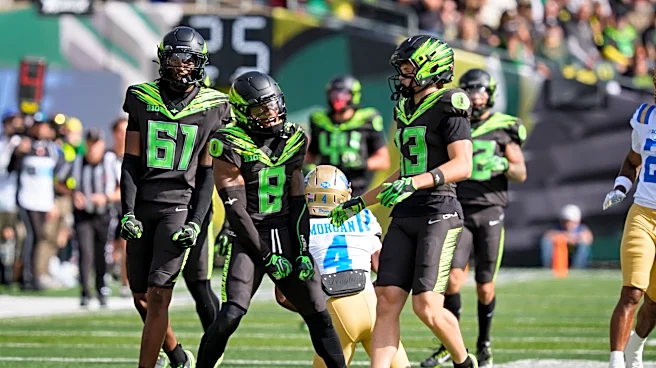
That's a question Lanning has probably asked himself before, in the dark of night, trying to shoo thoughts of losses from his tired mind. It's a question that, after Oregon's revealing 17-15 loss to the UCLA Bruins on Saturday afternoon, much of the Ducks' fanbase is probably wondering as well.
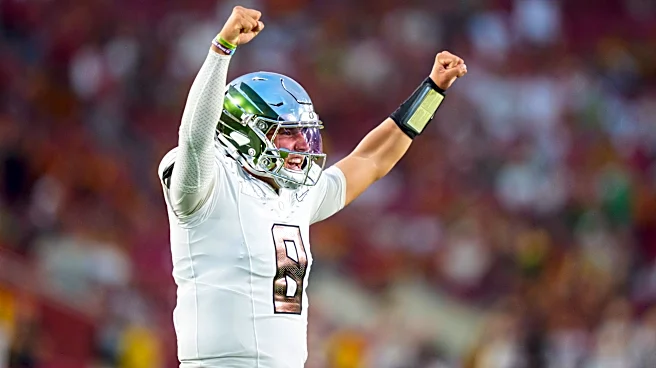
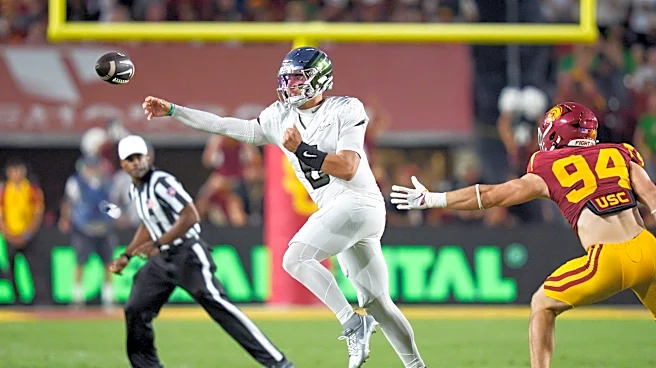
Oregon entered the 2026 season with national championship aspirations and a Heisman Trophy-contending quarterback. After five games, they sit at 3-2, and their playoff chances are on life support. Sure, there have been fun times over the last month — Lanning definitely inked some new t-shirt slogans after a win against the USC Trojans a couple of weeks ago — but the lows have felt lower than ever.
A Week 2 loss to the unranked Oklahoma State Cowboys, where your starting quarterback couldn't meet with the media because of dehydration, just days after you very publicly made light of the forecasted heat? That was tough. A Week 6 loss where a first-year guy coached your team out of the stadium, just days after you scolded media members for focusing on the past because you wanted to prepare for the future? Not a great look.
Don't look now, but the shine is starting to wear off on Lanning's early tenure in Eugene, and fans are getting restless.
It only feels like a matter of time before those donors start asking why they're putting money into Lanning's program and what the return on investment is.
"My message to everyone that supports this program is: I promise that we're working extremely hard," Lanning said after the loss to UCLA. "Their support is appreciated, but their support doesn't guarantee results, just like hard work doesn't guarantee results; we've got to be better."
Maybe you can't ask a booster to write a check and guarantee that the money will produce a playoff berth. However, it's fair to say their donation should lead to improvement. So far this season, that hasn't been the case. There are reports that Oregon's 2026 roster costs more than $50 million, one of the most expensive in the nation.
Right now, that looks like a $50 million trip to the Las Vegas Bowl. I'm not great with money, but that seems like a pretty bad ROI.
With a roster as talented as Oregon's, it's fair to question where the disconnect is. Why are these Ducks struggling to put it together, when the same Ducks made a deep run in the College Football Playoff less than a year ago?
To answer that, look no further than Lanning and his two right-hand men. After offensive coordinator Will Stein and defensive coordinator Tosh Lupoi left to take head coaching jobs this offseason, Lanning bet on his people and his program by hiring their replacements from within. So far, it's fair to say the promotions of Drew Mehringer at OC and Chris Hampton at DC have been middling at best, if not downright questionable.
Hubris? I wouldn't stop you from calling it that. Lanning pushed his chips in on his own guys instead of hiring the most qualified candidates, and so far, he's going bust. It's a new territory for the young head coach, and one that he hasn't had to deal with much before. For donors who keep writing checks, this could be either encouraging or concerning.
"I think we've had a lot of success here for a long time for good reason," Lanning said. "We haven't been in this situation very much, and that's credit to our players and the job that they do. But we can do better."'
If Lanning and the Ducks want to keep pulling 5-star players, sign the top recruiting classes, and smoke cigars after offseason victories, they will need to be better when it counts. While teenagers may find it entertaining to see a 40-year-old pack Zyns, jump into swimming pools, and rip his shirt off with Pat McAfee, the people on the other side of the wire transfers may not be quite as amused.
Lanning clearly appreciates the support and is trying hard to get a better return on investment. But in order for that investment to continue, it's going to need to come with some better results.
Contact/Follow @Ducks_Wire on X (formerly Twitter) and like our page on Facebook to follow ongoing coverage of Oregon Ducks news, notes, and opinions.
This article originally appeared on Ducks Wire: Column: When support fades, what happens to Dan Lanning and Oregon?