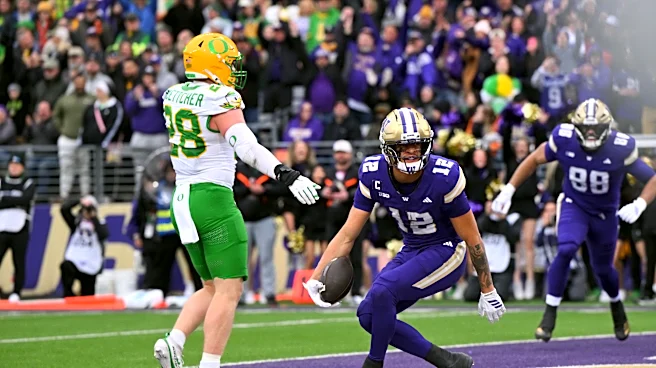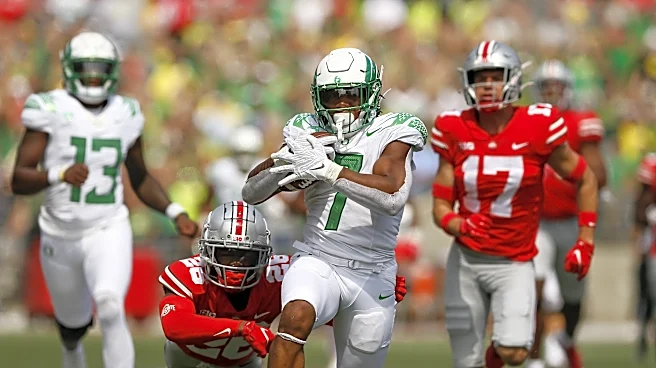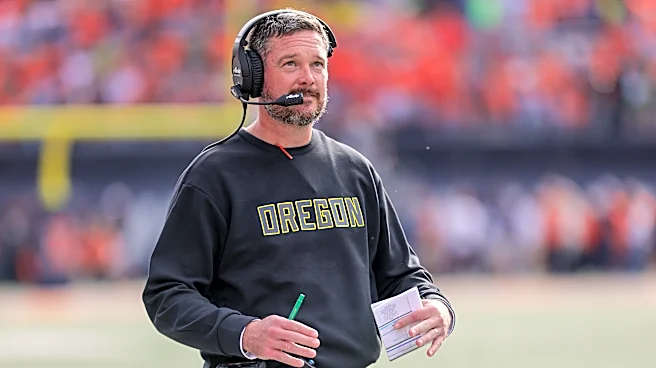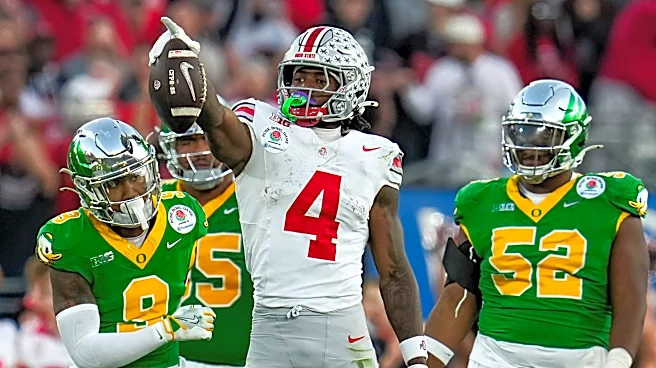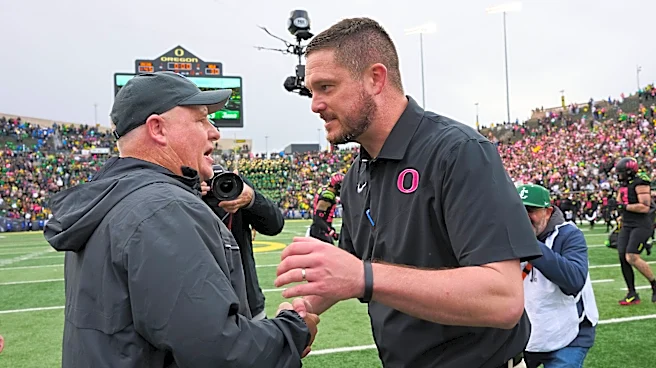

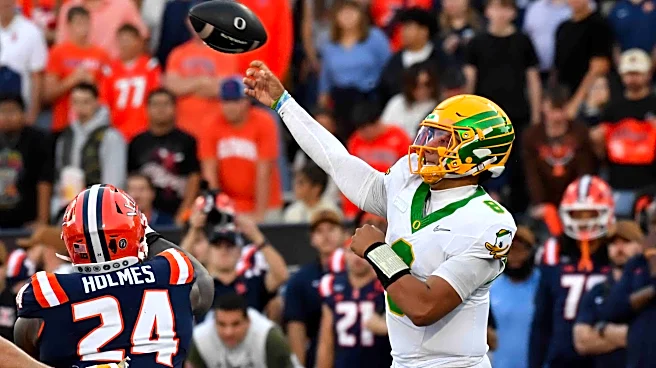

Even those who weren't a fan of Dan Lanning's decision to promote Drew Mehringer to offensive coordinator couldn't have predicted a 4-3 start to the season and an elimination from the College Football Playoff race before November.
Yet, here we are. The Oregon Ducks have failed to score at least 20 points in three straight games, prompting a change in leadership as Mehringer was let go following a 21-10 loss at Illinois. Assistant quarterbacks coach Jay Johnson will call the plays for the rest of the season, but the offensive game plan will become a group effort for the coaching staff.
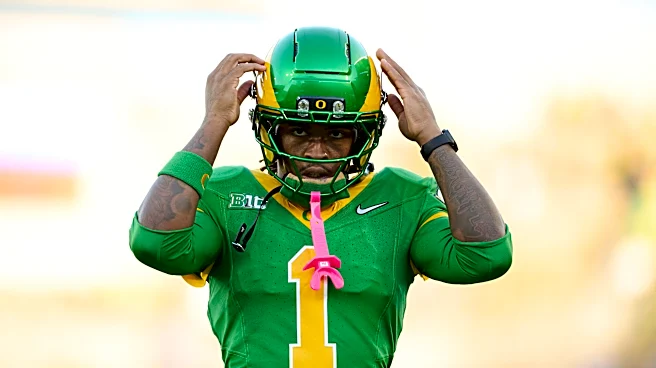
Quarterback has been one of the biggest issues for the Ducks since Dante Moore went down with a concussion. Now that Moore has been ruled out for the rest of the season,
the Ducks will have to continue to make do with Dylan Raiola or experiment with either Brock Thomas or Akili Smith Jr., both of whom have minimal game experience.
Regardless of who takes the snaps, Lanning is hoping the team can be more consistent under Johnson's play-calling. For an offense that has ranked awfully low nationally compared to the caliber of talent on the roster, what does that unit need to do to be more consistent?
"A team that can stay on schedule," Lanning said. "We have to be better on third down. Obviously, that's something that's shown up. We have to be able to run the ball. We did that much more effectively in the last game. I think we found some things with our rotation inside on the offensive line. I think it starts there. We've been really successful with runs, play-action passes, right? Getting the ball to our playmakers. I think those things have to show up, and then we'd like to be able to be more effective in the way we push the ball down the field, which hasn't shown up yet this year for us. But that's something we have to be able to do."
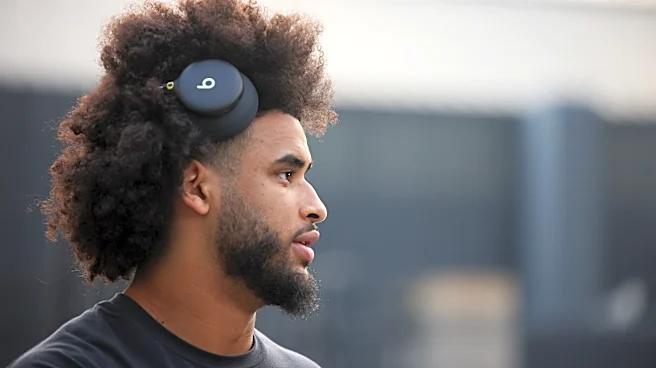
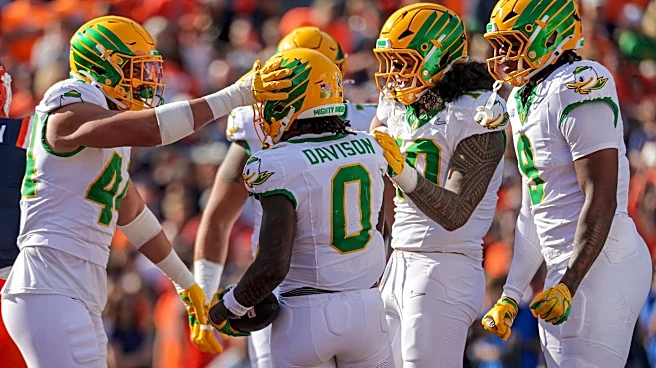
Among those playmakers is Dakorien Moore, who leads the Ducks in catches (34) and receiving yards (417), and is tied for the team lead with four touchdowns. He has consistently been the most targeted receiver in games this season, but the sophomore wideout has yet to top 100 yards in any game with the Ducks.
Most of Moore's targets, particularly since his starting quarterback went down, have been on screen passes and forcing him to follow blocks to work his way downfield. Moore is a gifted receiver who can win jump balls downfield if given the opportunity.
With the season essentially lost at this point, Lanning wants to see the offense take more chances, creating a more aggressive identity to end the season, especially with Northwestern and Ohio State coming up. Oregon ran the ball better against Illinois and should continue to have an emphasis on the ground attack, but there could be some changes in situational play-calling that are more aggressive moving forward.
"I think in terms of our identity, we know our DNA plays," Moore said. "We know the plays that we can get to whenever we need to, like certain situational downs. We know who we've been in the past, like the plays that we've run last year and the year before that. We know the plays that get our explosives going. So I think once we figure that out, you know, get back into ourselves, then we'll be good."
Fortunately, the Ducks are expecting to get receivers Evan Stewart, Messiah Hampton and Jalen Lott back in the mix this weekend against Northwestern, so there should be more opportunities to stretch the field vertically, rather than the horizontal play calls that have plagued the offense this season.
Oregon and Northwestern will meet on Halloween afternoon at Autzen Stadium.
Contact/Follow @Ducks_Wire on X (formerly Twitter) and like our page on Facebook to follow ongoing coverage of Oregon Ducks news, notes and opinions.
This article originally appeared on Ducks Wire: What Oregon's offensive identity will be under new play-caller