


A month ago, the rivalry matchup between the Oregon Ducks and Washington Huskies looked like it wouldn't carry much weight besides the typical rivalry bragging rights it always does. Now, the Ducks could punch their ticket to Indianapolis for the Big Ten title game with a win, while the Huskies have some momentum and could pull off a ranked upset for the second week in a row.
The Ducks' offense started slow on a short week last week, but finished strong behind a dominant run game to win 45-7 on the road against Michigan State. Dylan Raiola wasn't particularly sharp, but he settled in and tossed a late touchdown, while Brandon Smith shouldered the load with 121 yards and two touchdowns on the ground.
Washington, meanwhile, has won four of its last
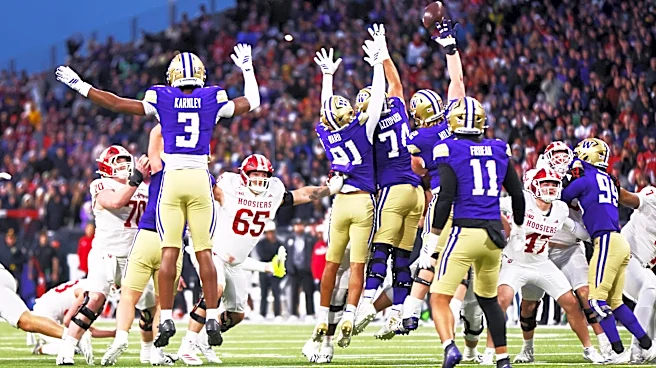
five, including a stunning upset over Indiana last week in overtime. The Huskies' offense has started to click, but it's the second-half defense that has really impressed and allowed Washington to compete with some of the most dynamic offenses in the conference.
Oregon can't afford to take its rival for granted, now with a clear path to the Big Ten Championship Game and a spot in the College Football Playoff with a win. Let's take a look at Washington's defensive scheme, who to watch out for, and what the Ducks might be able to do to put points on the board.
What does Washington do well on defense?

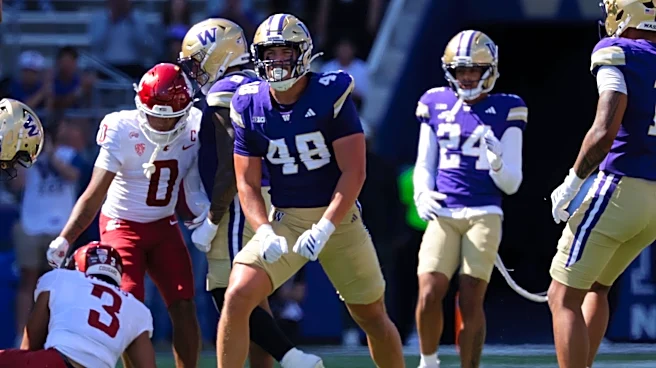
Defensive coordinator Ryan Walters is very intentional with his sets for the Huskies. Typically, Washington will operate out of a 4-2-5, but it comes with multiple arrangements depending on the situation. The Huskies can easily shift into a 4-3 for expected run downs, while they can also split into a 3-3-5 if they fear the big play over the top.
Washington will rely on four down rushers to get pressure, which the Huskies don't get a ton of, managing just 21 sacks this season while facing plenty of offenses that have attacked them more aggressively through the air. Washington is much better defending the run and seems to get better as a whole as the game goes on. Washington is also 5-0 this season when allowing less than 20 points, so there is a magic number the Ducks should be shooting for.
The Huskies are very versatile, which allows Walters to change the picture and shift the defensive front around depending on the situation. Safeties Rylon Dillard-Allen and Alex McLaughlin are big enough and fast enough to step in and play as an athletic extra linebacker, while the defensive line has long skill players that can create issues both on the edge and rushing from the interior.
Players to Know

DL Derek Colman-Brusa
A freshman problem maker up front, Derek Colman-Brusa's numbers don't leap off the page, but his impact and influence on any given play are undeniable. He has just two sacks and 16 tackles this season, but the Huskies move him around between the edge and inside against a guard frequently. While his play doesn't always lead to a bunch of tackles or sacks, he does frequently get enough penetration to turn runs the other way or force a quarterback to drift into pressure.
S Alex McLaughlin
McLaughlin is incredibly active in the secondary for the Huskies. Leading the team with 78 tackles and three interceptions, and second on the team with eight deflections, McLaughlin is deployed often close to the box and against the run, but has the speed to catch up to receivers and make plays over the middle. The senior safety has 9.5 tackles for loss as well, and is very similar to Dillon Thieneman in terms of his versatility. He could impact this game in a variety of ways.
LB Jacob Manu
Jacob Manu is the veteran leader that Jedd Fisch leans on, having followed him from Arizona to Washington. After a pair of injury-plagued seasons, Manu has bounced back this season with 61 tackles, four tackles for loss, three sacks and an interception. In the middle of the Huskies' defense, Manu is great at diagnosing runs, but the Ducks could try to exploit him in pass coverage with a couple of advantageous matchups in the middle of the field.
Are the Ducks built to score on Michigan State?

Like Oregon's offense has been known to do, Washington's defense typically starts games very poorly and slowly. Indiana ripped big plays in the passing game and scored 14 points in the opening quarter. Penn State scored 28 in the first half and racked up 300 yards of offense. The Huskies do tend to play much better in the second half, but given the fact that Oregon has explosive weapons that can stretch the field, which Washington has struggled to defend this season, there should be some early scoring opportunities that the Ducks can't miss.
Walters is a fairly balanced blitzer, but he typically relies on the four-man rush to work while his experienced secondary buys time. However, on third down, the Huskies do send more blitzes and disguised pressures to force the ball out faster, leading Washington's defense to the 25th-best opponent third-down rate in the country (33.08%). Oregon has been ineffective on first down lately, but done a great job of converting on third downs during the current win streak.
Against Ohio State, the Ducks used the Buckeyes' aggressiveness on critical downs against them, using screen passes and moving the offensive line to convert on long distances on third down. There is a very similar opportunity here for the Ducks to expose the Huskies, and if those plays hit early on, it could open up downfield shots later in the game.
Also, Washington's defense is often penalized, especially on big play attempts, so the Ducks would be wise to take those chances in one-on-one coverage, even if it is just in an attempt to draw a flag.
What should we expect?

I think Oregon has the potential to start quickly in this game, much like it did against Michigan, because there are some advantages the Ducks have offensively when playing over the middle. We've seen Raiola layer throws to Dakorien Moore and Jamari Johnson over linebackers and beneath safeties by directing attention elsewhere, and those throws should be there again.
The Ducks also saw a ton of man coverage on verticals and match coverage underneath when they won in Seattle last season. Against Jeremiah McClellan and Moore, and even Evan Stewart or Jalen Lott, the combination of hands and precise routes could torch the Huskies' secondary. Charlie Becker did it last week, and the Ducks could scheme those one-on-one opportunities again.
Whether or not Dierre Hill Jr. and Jordon Davison play this week is a big factor, but I still think the Ducks could struggle to run the ball against Washington's powerful defensive front. The Huskies have a ton of power players in the trenches that don't necessarily always show up in the box score, but its a group that is much improved after Iowa stopped through them earlier this season.
Smith will have opportunities to win on the ground, but they might be few and far between. Ultimately, this game is going to land on Raiola's shoulders and will require him to play clean football, because in a rivalry game like this with plenty on the line, his footwork needs to improve, and some of the dropped interceptions in recent weeks aren't likely to be squandered by the Huskies' secondary. Oregon's offense has to play a clean and efficient game this week in order to win the aggressive shots later on.
Contact/Follow @Ducks_Wire on X (formerly Twitter) and like our page on Facebook to follow ongoing coverage of Oregon Ducks news, notes and opinions.
This article originally appeared on Ducks Wire: What should the Oregon Ducks expect from Washington's defense?