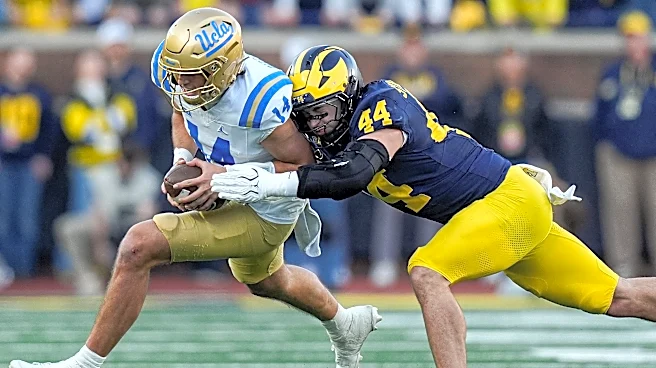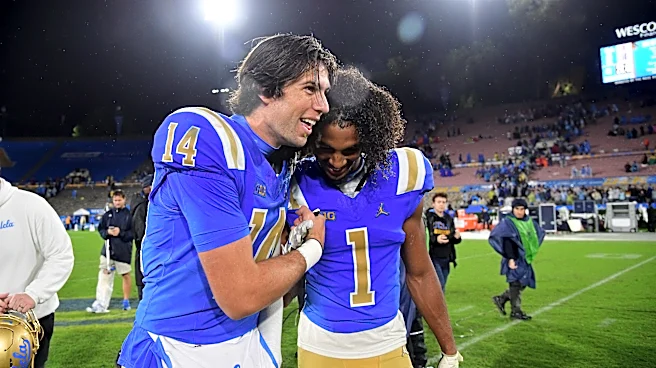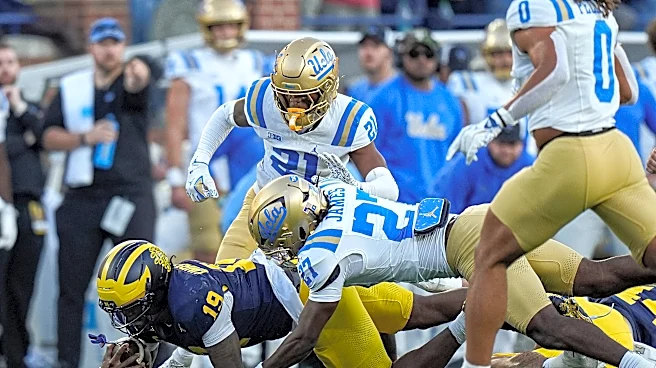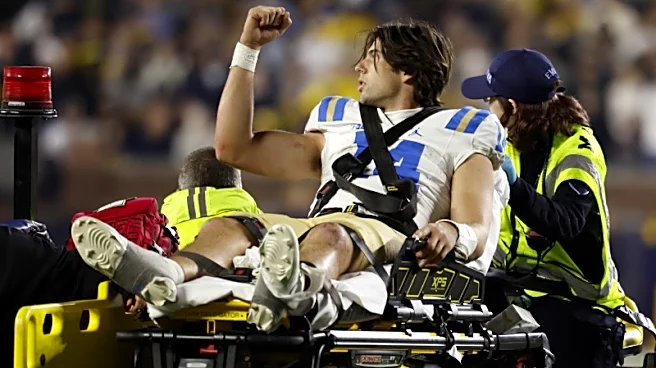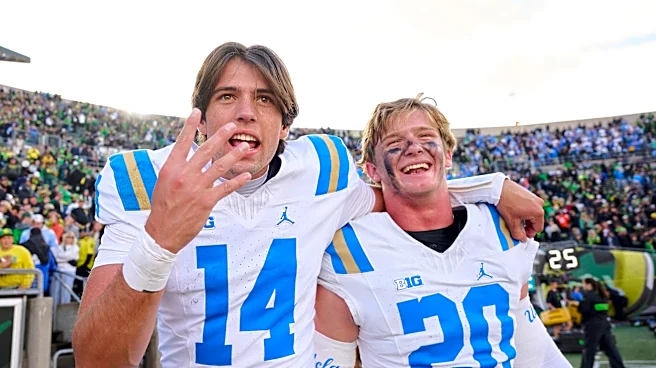

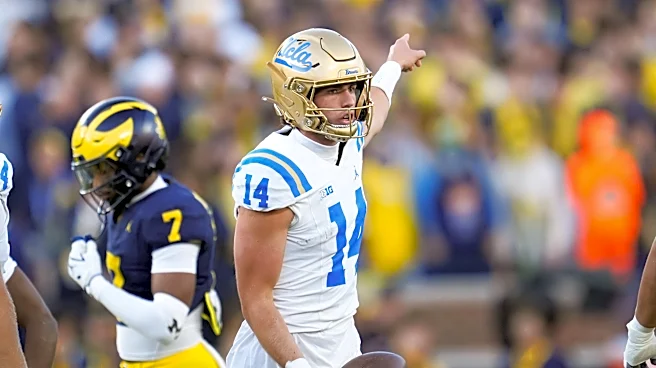
On Monday, the national reporting on the health status of UCLA quarterback Ty Dieffenbach
contained multiple contradictions. ESPN's Pete Thamel, for instance, wrote in a tweet that "Ty Dieffenbach isn’t expected to be out long-term. While his status is uncertain for this week against USC, Dieffenbach is dealing with a minor hip injury. Dieffenbach is expected to be available for the College Football Playoff should UCLA clinch a bid."That piece of reporting veers in several different directions. When a player "isn't expected to be out long-term," that is generally viewed as news that an injury will be weeks instead of months or the full season. That does mean, however, that the injury carries short-term costs. If an injury isn't "long-term,"
it is short-term, so it exists. If an injury isn't short-term (meaning that the player is healthy enough to play his next game), there's no point or purpose in even saying whether the injury is long-term.
Notice also how the reportage focuses on Ty Dieffenbach could be ready for the College Football Playoff in mid-December but also contains that oh-by-the-way part about maybe playing this week. All of this feels like a misdirection play, and it's understandable why UCLA might not be telling the exact truth. The Bruins have no incentive to do so, calling to mind the Florida State situation in 2023, when the Seminoles were left out of the playoff due to the injury to quarterback Jordan Travis.
All of this aside, however, injury reports have become a source of confusion before this Dieffenbach situation at UCLA. USC football has featured plenty of situations in the Lincoln Riley era in which a player was abruptly announced as being out of a game when there were no outward indications of an injury absence during the week. Other players have been reported as having a chance to return on a given weekend only to miss that game and then multiple games after that, which meant that the original possibility of playing in Week X was never realistic.
Injury reports are inexact, and we should be able to realize that teams don't have good incentives for being fully transparent. This issue goes far beyond UCLA and USC. It's a national problem in college football.
Contact/Follow @TrojansWire on X (formerly Twitter) and like our page on Facebook to follow ongoing coverage of USC Trojans news, notes and opinion.
This article originally appeared on Trojans Wire: UCLA's Ty Dieffenbach is latest example of confusing injury reports