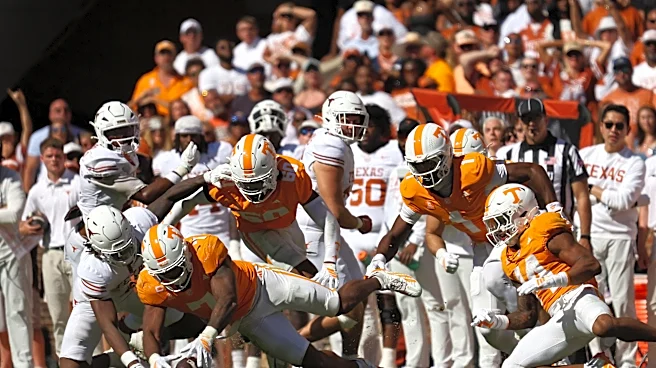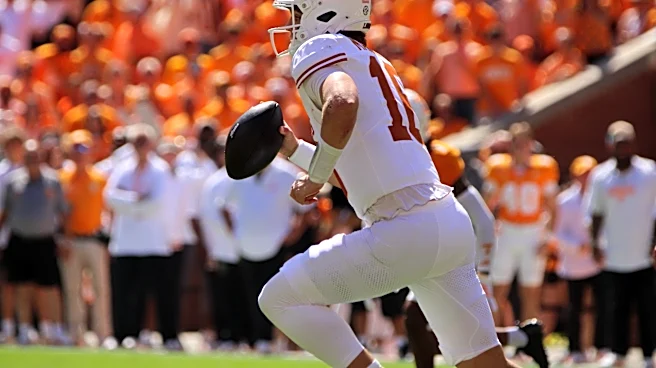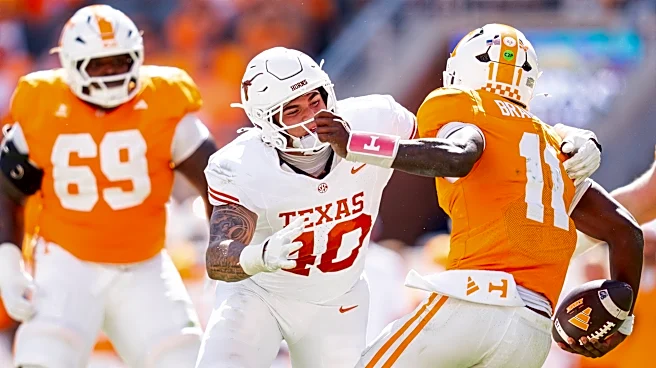




Was the kick legal? One of the many subplots that emerged from the Texas Longhorns hard-fought 20-17 win over Tennessee revolved around the legality of the onside "drop-kick" recovered by the Vols late in the game. Now the SEC home office has issued a statement about controversial kick.
After Tennessee scored a touchdown with less than two minutes left in the game, the Vols used a little used drop-kick for the next kickoff. Australian punter Jackson Ross, a former Aussie Rules football player who can kick with both feet, seemed to execute the kick perfectly.
The spinning ball hit Texas receiver Ryan Wingo in the hands and spun away. The Vols recovered and were set up in Longhorns territory with 1:22 left in the game. There was plenty of time for
Tennessee to go just a few yards for a game-tying field goal or a winning touchdown.
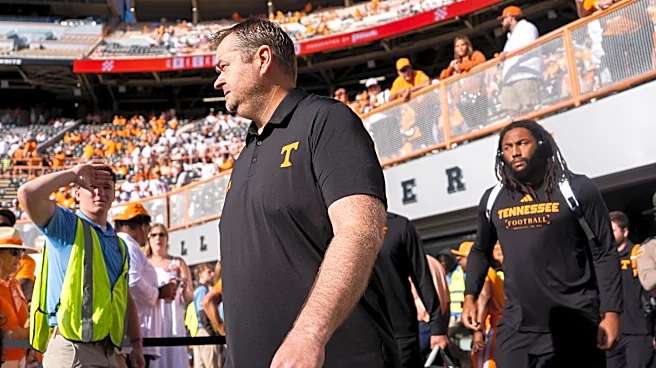
Texas stopped Tennessee from scoring to clinch the win. But after the game, the legality of the kick was hotly debated, with several rules experts weighing in with their opinions. Texas coach Steve Sarkisian wanted clarification from the conference.
“We need to get a ruling on how they kicked it because there’s a lot of gray area in that, and obviously one of the officials thought it was a foul and threw it,” Sarkisian said after the game. “They ended up picking it up, so I’ve got to get a ruling on that because that was a bit unique walking into a drop kick like that. But again, I’ve got to look at it. I only have the one shot in real time like you guys had, so we’ll see.”
Now the SEC has issued a statement about the legality of the kick.
Statement on onside kick in Texas at Tennessee game:#SECFB pic.twitter.com/GEbjZON1yO
— SEC Officiating (@SECOfficiating) September 28, 2026
"The onside kick with 1:22 to play in the Texas at Tennessee football game on Saturday was incorrectly officiated and should have resulted in a five-yard penalty on Tennessee and a replay of the down," the SEC statement said.
"A drop kick is permissible, but a free kick must be made from the kicking team's restraining line which is the 35-yard line on a kickoff, unless relocated by penalty. The ball was at least one yard behind the 35-yard line when it was kicked.
"In addition, after the ball is ready for play the kicker may not change his lateral position between the hash marks. That spot can change only after a charged timeout or on a subsequent kick. The kicker's movement after the ready signal violated the rule," the statement continued.
"The correct enforcement is a five-yard penalty and a replay of the down. The Southeastern Conference regrets the error and will continue working with the Secretary/Editor for NCAA Football Rules and officials to ensure consistent application of free-kick rules."
— SEC Officiating (@SECOfficiating) September 28, 2026
In summary, teams can use a drop kick, but the kicker has to stay put and in one place. That didn't happen. Think of the storm of controversy that would have ensued if the Longhorns had lost the game because of that kick? That scenario certainly came close to happening. But now, the end result is clarity going forward.
It's not clear if other teams will implement a legal version of the onside drop-kick in the future. There's a chance, because of the attention the ref's mistake has received, a legal version that follows the rules will become the norm.
Contact/Follow us @LonghornsWire on X (formerly Twitter) and like our page on Facebook to follow ongoing coverage of Texas news, notes and opinions. Follow Trey on X: @TreyLuerssen.
This article originally appeared on Longhorns Wire: Was Tennessee's onside drop-kick vs. Texas legal? SEC issues statement