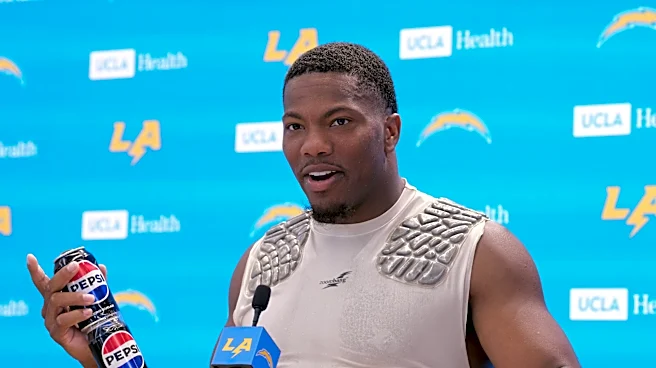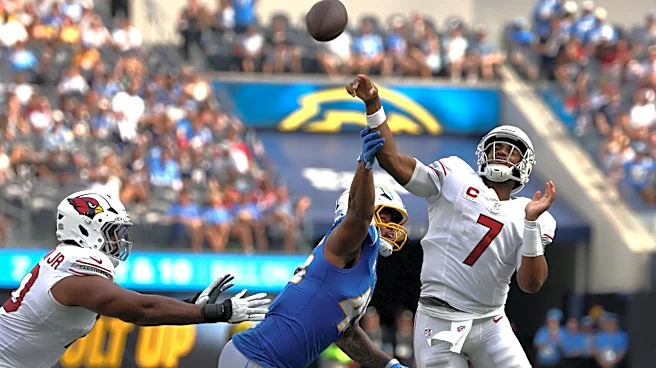

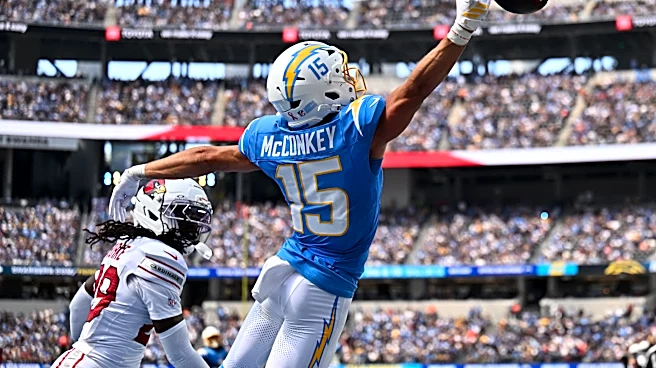
The Chargers failed to generate much pressure in Week 1 against the Cardinals, which contributed to their defensive struggles in Chris O'Leary's play-calling debut. Los Angeles generated a 25% pressure rate (26th in the NFL) and only 20.7% without blitzing (30th).
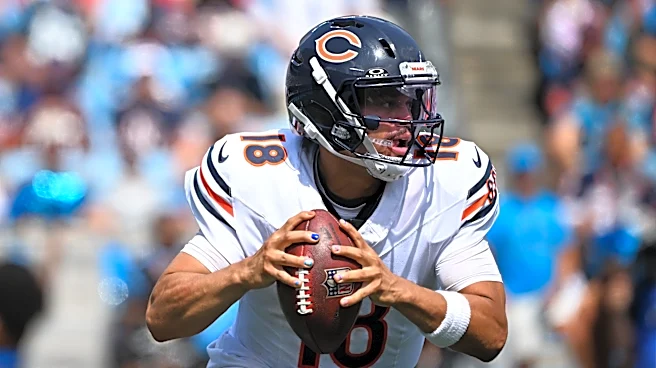
The core issue was timing. Quarterback Jacoby Brissett averaged just 2.56 seconds to get the ball out (third-fastest in Week 1), while the Bolts' pass rush averaged 2.82 seconds to pressure the quarterback, according to Next Gen Stats.
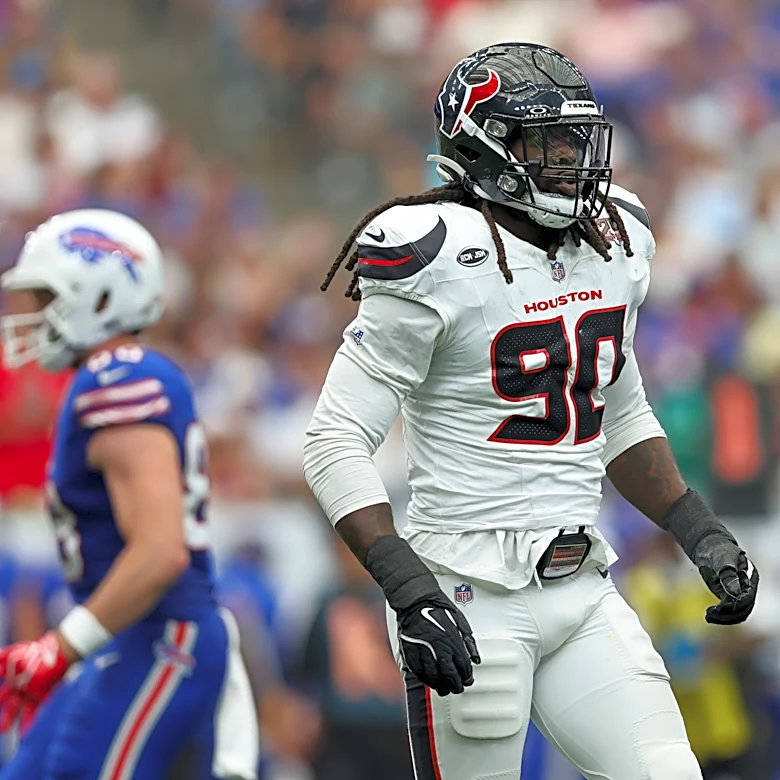
Individually, Tuli Tuipulotu logged three pressures on 22 pass-rush snaps. By contrast, Khalil Mack saw more volume (31 pass-rush snaps) but only two pressures. Elsewhere, contributions were thin: Akheem Mesidor, Jamaree Caldwell, Daiyan Henley, Bud Dupree,
Derwin James Jr., and Del'Shawn Phillips each finished with a single pressure.
The Chargers blitzed (5+ rushers) on only 10 of 39 dropbacks, according to Sumer Sports. They got pressure on five of those 10 snaps (50%) versus seven of the 29 non-blitz snaps and picked up their only sack of the matchup on a blitz in the fourth quarter. Arizona still completed half of those blitzed throws (5 of 10), averaged 7.0 yards per attempt, and the plays were worth a positive 0.185 EPA.
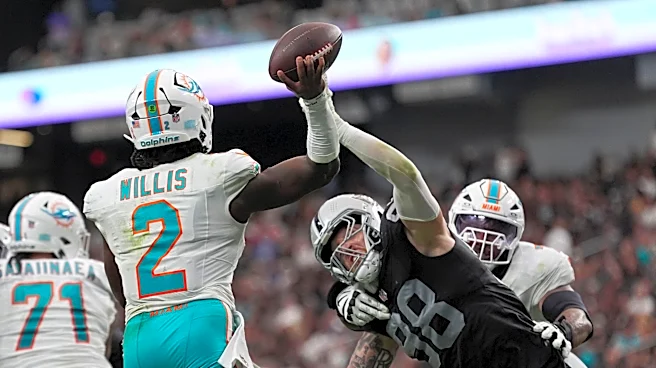
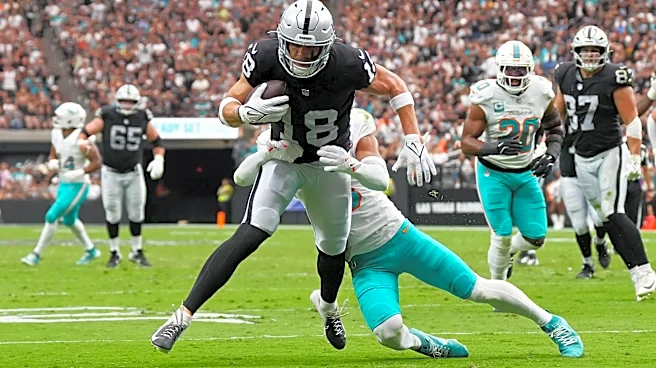
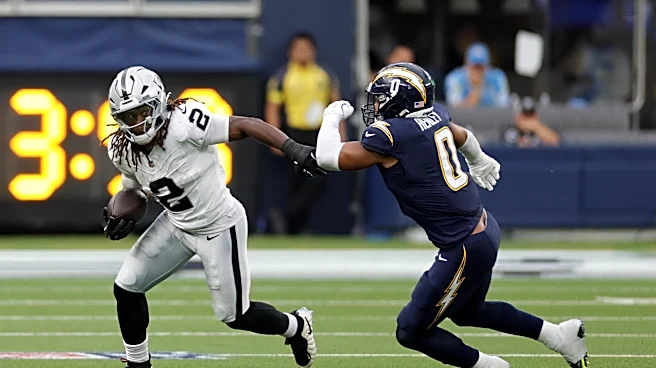
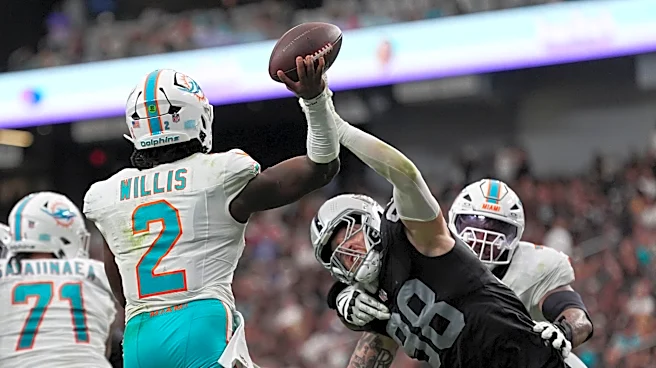
Heading into Week 2, the Chargers will face quarterback Kirk Cousins and the Raiders. Cousins was pressured on nine of 31 dropbacks in the Raiders' opener, and he took zero sacks but got the ball out in an average of 2.90 seconds, holding it noticeably longer than Brissett did. That extra half-second window is exactly what a pass rush that averaged 2.82 seconds to arrive last weekend needs.
Simulated pressures and disguised blitzes would help a lot. Cousins saw nine blitz snaps in Week 1 and was pressured on four of those snaps, a 44% pressure rate. Additionally, defensive line stunts and twists are imperative. Cousins is a pure pocket passer with virtually zero mobility. Internal pressure that collapses the pocket at his feet is the absolute fastest way to force him to crumble.
On the back end, coverage disguises are a must and cornerbacks need to press at the line of scrimmage more to disrupt the timing of quick-game concepts. If they force Cousins to hold the ball and look downfield, which is where he seems to struggle throwing (1-for-7 on passes longer than 10 yards against Miami), the pass rush gets the extra split second it needs to get home.
This article originally appeared on Chargers Wire: Why the Chargers' pass rush stalled in Week 1 and the Week 2 fix