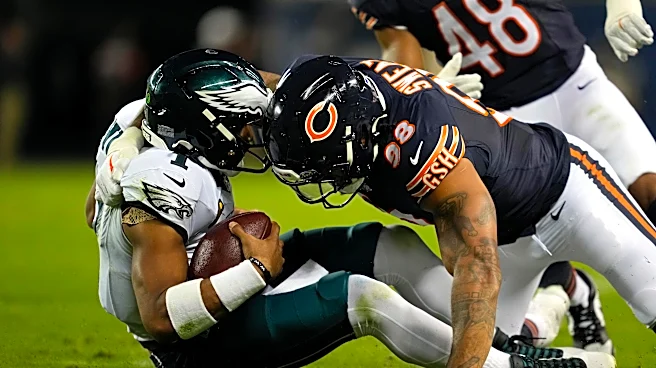


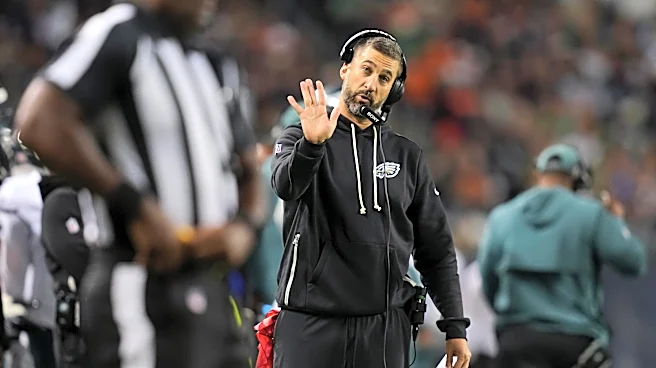
The Philadelphia Eagles had six days (a short week) to repair an offense that produced seven points and 248 yards in an embarrassing loss to the Chicago Bears.
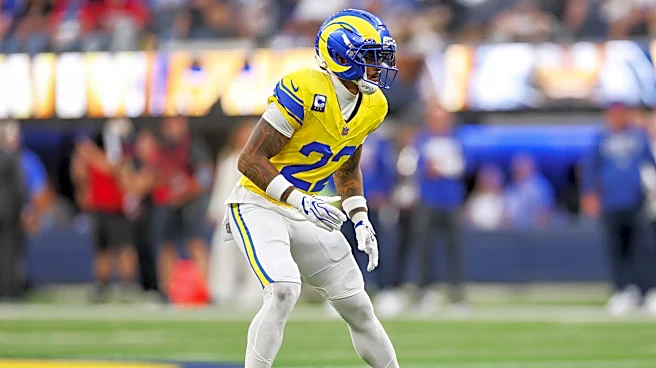
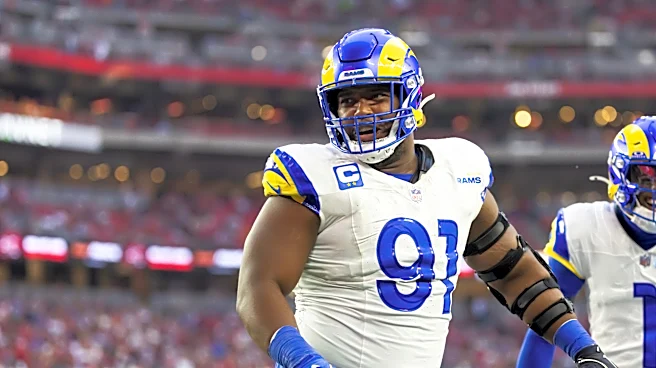
Things won't get easier against the Los Angeles Rams. Their defense has allowed 818 yards through three games, averaging 272.7 per contest, while holding opponents to 4.4 yards per play. Los Angeles has surrendered 304 rushing yards and 514 net passing yards. Aaron Donald’s return added an all-time great to a front already featuring Kobie Turner, Braden Fiske and Byron Young. Trent McDuffie gives Los Angeles a versatile All-Pro cornerback who can align outside or in the slot.
With kickoff fast approaching, here are five keys for Philadelphia’s offense Sunday at Lincoln Financial Field.
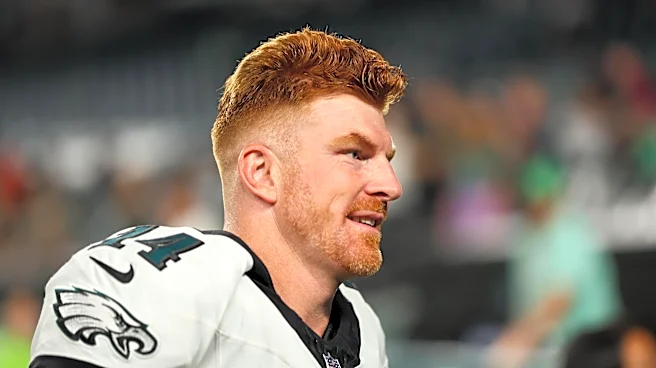
1. Give Drew Kendall help against Aaron Donald
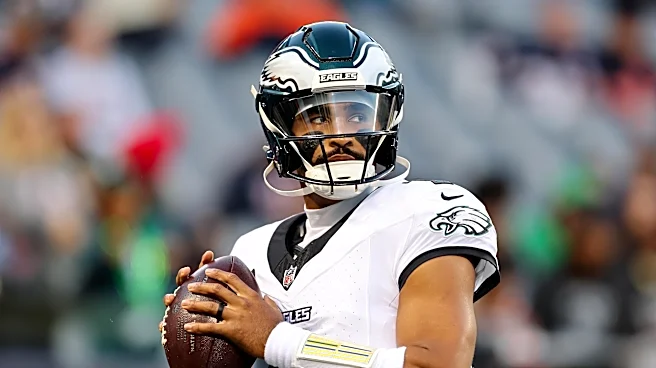
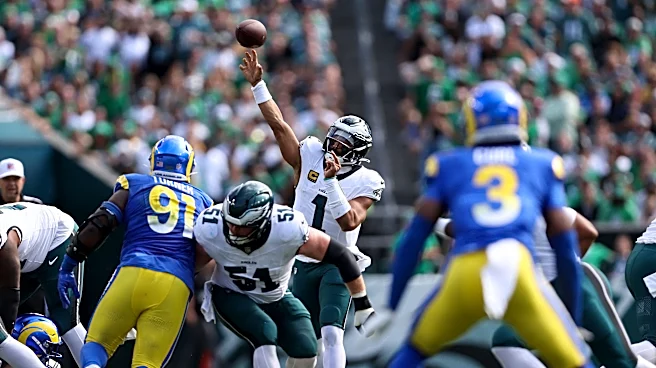
The most important matchup will occur directly in front of Jalen Hurts.
Donald has recorded 111 sacks and 176 tackles for loss during his career. Even if he is no longer playing every snap, his quickness and ability to destroy protections can still change a game.
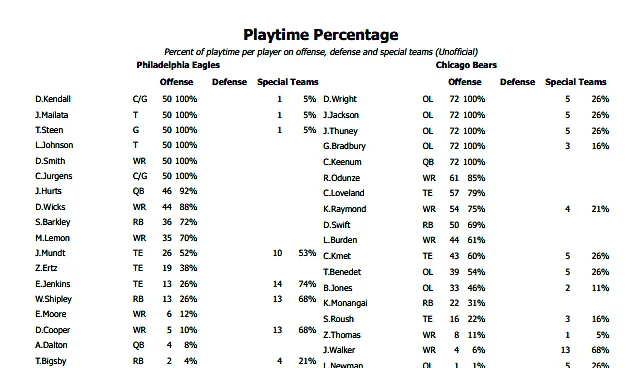
Drew Kendall has allowed no pressure over his past 33 pass-blocking snaps, but the young center has not faced an interior defender like Donald. Cam Jurgens and Tyler Steen must stay alert in line games involving Donald, Turner, and Fiske.
Philadelphia should use double teams when possible and avoid leaving Kendall isolated against Donald in obvious passing situations. Running backs and tight ends can also help protect the interior before releasing into their routes.
2. Run at the Rams without becoming predictable
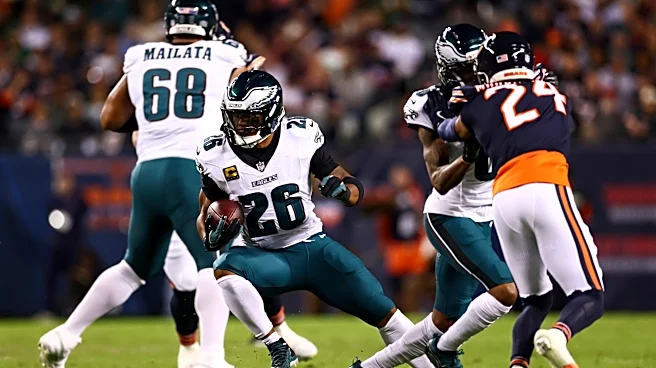
Los Angeles has allowed 304 rushing yards on 76 attempts, an average of 4 yards per carry. Philadelphia has rushed for 332 yards while averaging 4.4 yards per attempt. Saquon Barkley gained 73 yards before halftime against Chicago, finding success on split-zone and outside-zone concepts. He received only four second-half carries as the game moved away from Philadelphia.
The Eagles should test the Rams’ discipline with zone runs while using motion and misdirection to prevent Donald and Turner from attacking one point. Staying committed to Barkley would also reduce the number of obvious passing situations facing an aggressive defensive front.
3. Move DeVonta Smith away from Trent McDuffie
McDuffie can follow a receiver outside, cover the slot, or join the pressure package. Philadelphia should force the Rams to communicate by moving Smith throughout the formation, rather than letting McDuffie dictate one static matchup.
Smith leads the Eagles with 22 receptions and 269 yards. He has been the offense’s most dependable playmaker, particularly on intermediate routes and deep throws down the right sideline.
Dontayvion Wicks, Makai Lemon, and the tight ends must capitalize when Los Angeles directs extra attention toward Smith. Motion, stacked releases and bunch formations can create free access while forcing the Rams to reveal their coverage.
4. Build the offense around manageable downs
The Eagles have converted 46.3% of their third downs, the seventh-best mark in the NFL. That positive ranking can be misleading because penalties, sacks, and negative runs have repeatedly placed the offense in long-yardage situations.
Los Angeles has allowed opponents to convert 17 of 39 third downs, a 43.6% rate. That presents an opportunity if Philadelphia can consistently create third-and-5 or shorter.
The Eagles need efficient first-down runs, quick completions, and fewer procedural penalties. Screens can be useful against an aggressive front, but Philadelphia must vary its presentation after defenses repeatedly diagnosed its receiver screens to Lemon.
5. Carry the two-minute tempo into the second half
Philadelphia’s best possession against Chicago came immediately before halftime. Hurts completed five of six passes while directing a 67-yard touchdown drive that featured pace, rhythm and decisive throws.
The Eagles opened the second half with three consecutive three-and-outs. Eight of their 11 third-quarter possessions this season have ended without a first down.
Sean Mannion should consider increasing the tempo when the offense stalls. Letting Hurts operate quickly can limit substitutions, simplify defensive looks, and keep Los Angeles from constantly changing its pressure presentation.
Final analysis
The Rams have allowed 818 yards and 304 rushing yards while opponents have converted 17 of 39 third downs.
Philadelphia does not need to play hurry-up football for four quarters. It does need to identify why its offense looks decisive in two-minute situations and hesitant after halftime. Replicating that urgency could be the most important adjustment the Eagles make.
This article originally appeared on Eagles Wire: 5 keys for Eagles offense against Rams defense in Week 4