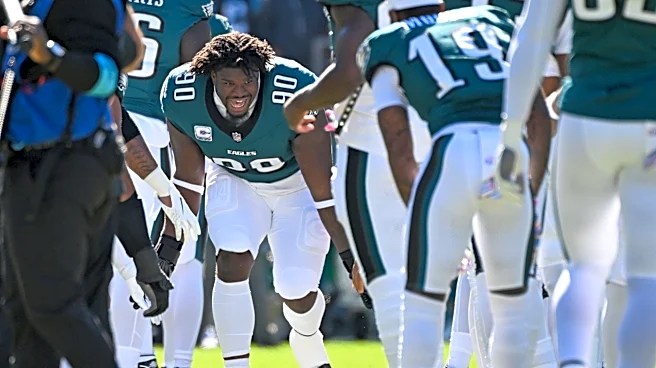




The Eagles’ reported trade of Jordan Davis is more than another deadline transaction. It changes the defensive front, revisits a major offseason investment, and gives Philadelphia additional resources to address a roster that has fallen well short of expectations.
According to ESPN’s Adam Schefter, Jacksonville is sending a 2027 first-round pick and a 2029 second-round pick to Philadelphia for Davis. The deal comes as the Eagles sit at 2-7 entering their bye. Here are five immediate takeaways.
1. Philadelphia receives a substantial premium-pick package
A first-round selection and a second-round selection represent significant compensation for a defensive tackle. The 2027 pick supplies a near-term opportunity, while the 2029 selection extends Philadelphia’s flexibility further into the future. The eventual
positions remain unknown. The Eagles should evaluate the actual selections and how they use them, rather than assuming either becomes an early pick.
2. The extension makes this a significant change of direction
Philadelphia signed Davis to a three-year extension in March, placing him under contract through 2029. Trading him months later means this is not simply the departure of a veteran approaching free agency. Jacksonville is acquiring a player with multiple seasons of contractual control. Philadelphia is surrendering that certainty in exchange for draft opportunities, a meaningful adjustment to its long-term planning.
3. Ten premium selections create options, not guaranteed solutions
Schefter reported that the Eagles are poised to have 10 picks in the first two rounds of the next three drafts.
That collection could support selections across several positions, movement within future drafts, or acquisitions of established players. It gives Roseman considerable flexibility, but the quantity alone will not repair the roster. Philadelphia still must identify the right players and develop them effectively.
4. Davis leaves a real opening inside
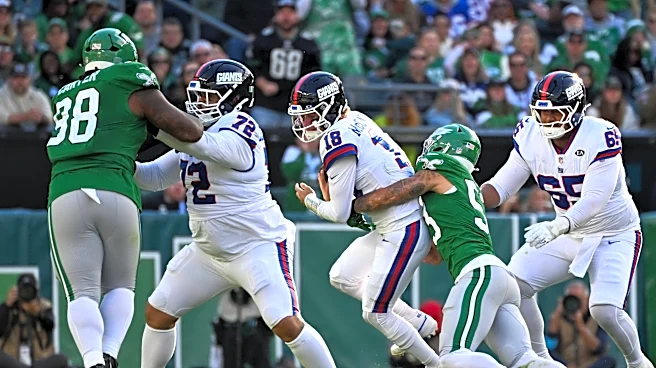
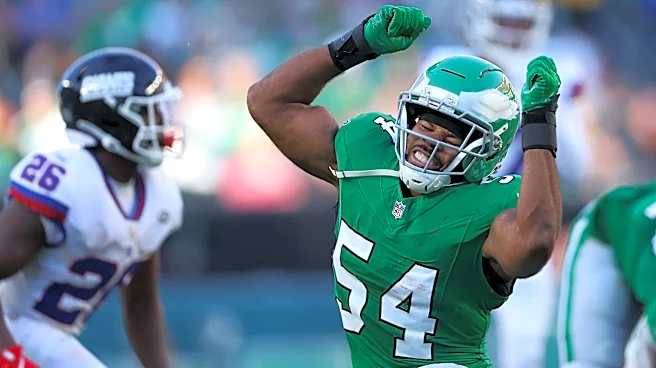
Davis played 38 defensive snaps Sunday and contributed a sack and two tackles for loss. His departure removes meaningful work from the rotation immediately after Philadelphia delivered one of its most disruptive defensive performances. Carter and Ojomo remain central to the interior group. How the Eagles replace Davis’ snaps—and whether they make another move—becomes an important follow-up.
5. This is a future-focused move without settling every deadline question
The trade exchanges an established defender for future selections. That makes its immediate direction clear, but it does not establish that Philadelphia intends to move every veteran. Each potential deal still carries different contractual, competitive, and compensation considerations. Davis’ departure should prompt closer attention to the remaining roster, not unsupported assumptions about who is next.
The Eagles obtained a substantial return. Whether the decision ultimately improves the organization will depend on what happens with both the defensive opening and the draft capital it creates.
This article originally appeared on Eagles Wire: Five takeaways from Eagles’ blockbuster Jordan Davis trade to Jaguars