

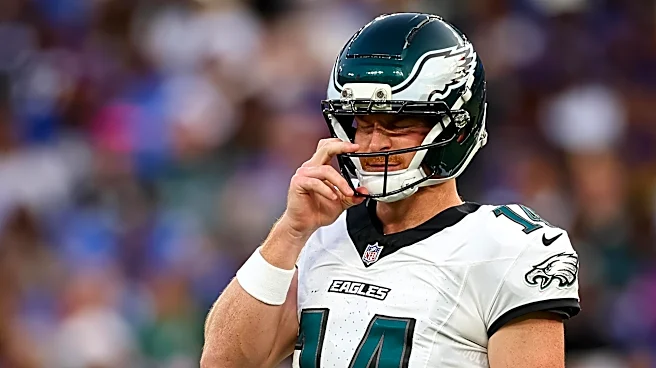
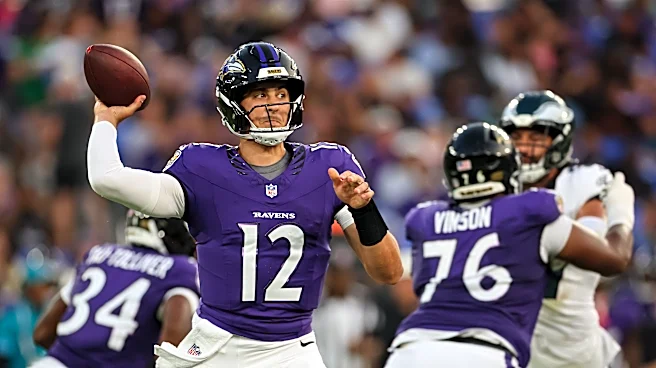
For football-starved fans, preseason games were once an Easter egg hunt for clues. Every formation was scrutinized. Philadelphia Eagles fans dissected every motion. Every new wrinkle sparked theories about what an offense might look like when the games begin to count. Yeah... That isn't anything close to what any NFL team is doing presently.
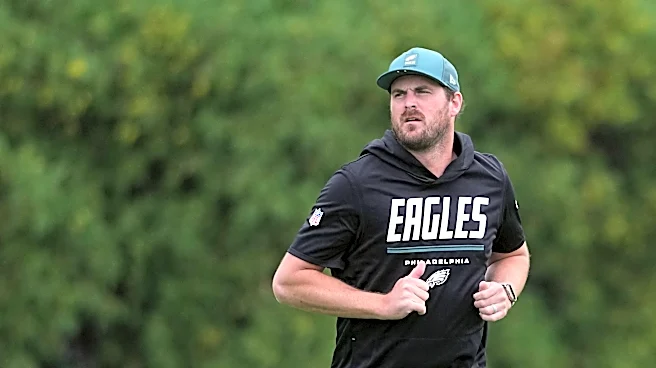
The curiosity is understandable. Who can blame any die-hard? The Eagles are navigating their first season under offensive coordinator Sean Mannion, and people want to see something that is exciting. 'Boring' was what they were given last season, so to begin a game with four series that offered three plays and a punt, it's easy to understand why football's most loyal fan base may be experiencing post-traumatic
stress disorder.
Again, we all get it. No one cares that the starters weren't playing. No one cares that the loss won't count against the ledger. Even if it was just a peek, most were hoping for a sneak preview, and, again, that wasn't what happened at all. Coach Mannion spoke with the media after a recent Eagles practice and offered a reminder that August football serves a very different purpose.
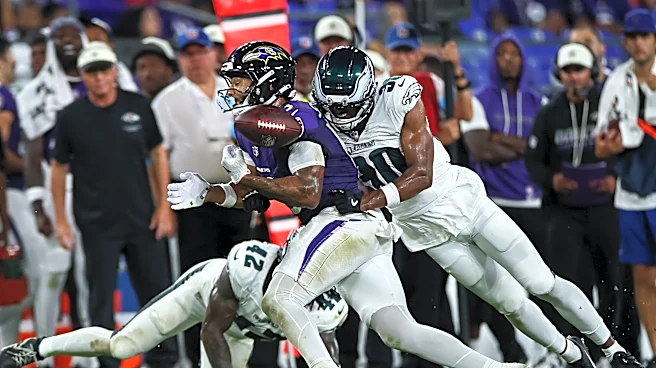
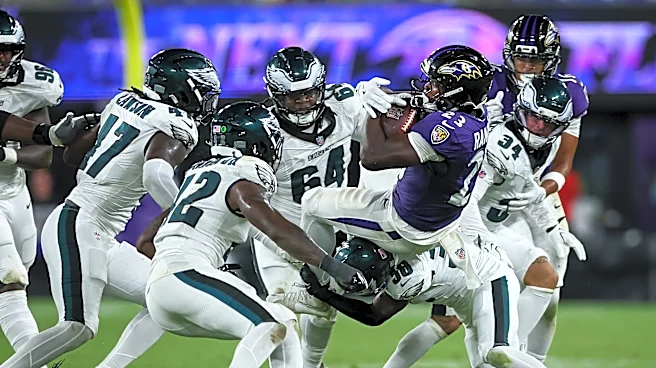
The Eagles' offensive performance against the Baltimore Ravens left plenty of room for improvement. Philadelphia struggled to stay on schedule. They faced too many long-yardage situations and never found a consistent offensive rhythm. Still, Mannion's evaluation of the game wasn't centered on scheme, creativity, or whether he called enough explosive plays. His focus was elsewhere. He acknowledged that player evaluation took priority over game-planning.
"You always do kind of in a little after-action report and a self-scout in terms of how you call the game and things you could do better, things that you want to lean into further. The scheme and the game planning and the preseason is almost a little bit secondary to wanting to evaluate the guys in terms of their execution [and] their fundamentals. We kept things pretty close to the vest there. Again, we wanted to see these guys go out, play, execute their assignment, and play with good fundamentals. It wasn't really a setting to kind of totally turn it into a game-plan specific type of game."
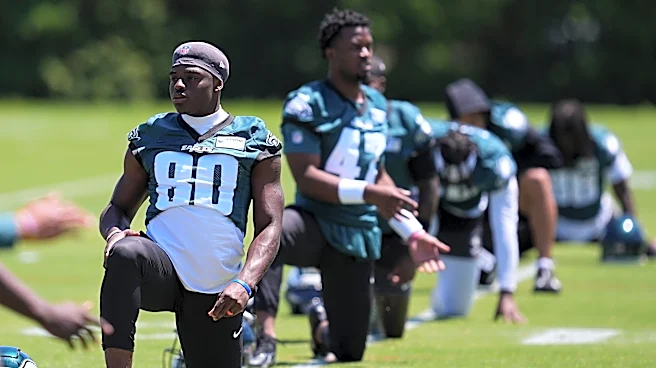
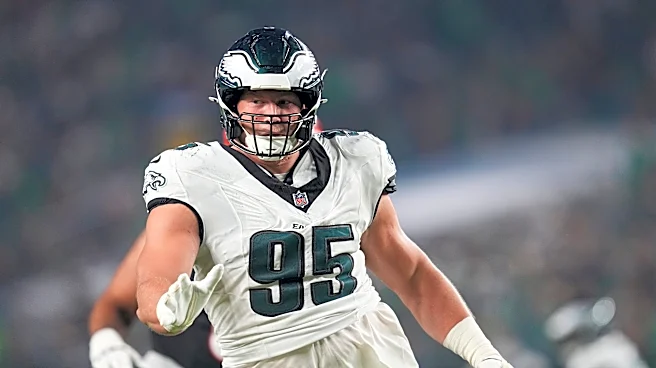
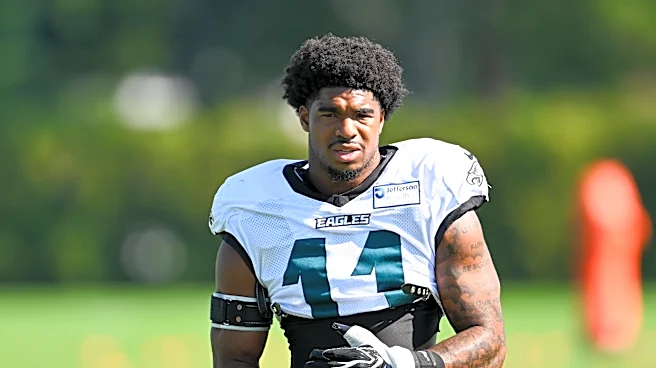
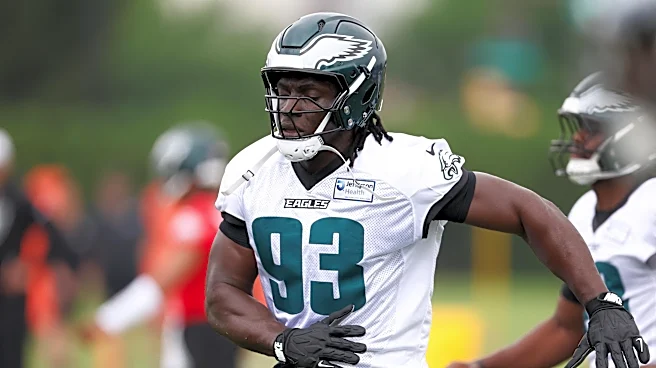
It's the type of answer that probably won't satisfy fans eager to see what Mannion's offense will ultimately become. It does, however, reveal how the Eagles are approaching the preseason. Winning exhibition games was never the primary objective. Evaluating players like Eli Stowers, Willie Lampkin, Markel Bell, Cole Payton, and dozens of others fighting for roster spots carries far more value than unveiling concepts Philadelphia may want to save for September.
Coaches already know what many of their established veterans can do. August is often about finding out which young players can be trusted when the regular season arrives. That process becomes more difficult when the focus shifts from player development to game-plan construction.
Mannion's comments also align with something Nick Sirianni has emphasized throughout his tenure. Joint practices often provide more meaningful evaluation opportunities than preseason games because teams can test concepts in competitive situations without broadcasting them to the rest of the league.
The Eagles are expected to face a much different environment in their upcoming game against the New England Patriots than they did in a vanilla preseason opener. In other words, Philadelphia may not be hiding because it lacks answers. The Eagles may be hiding because they already know August isn't the time to reveal them.
For a first-year offensive coordinator, there will eventually be plenty of opportunities to showcase creativity, tendencies, and play-calling instincts. The preseason opener was never meant to be that stage. As Mannion explained, the goal wasn't to show what the offense can become. The goal was to determine at what depth players can help it get where it needs to go should any injuries or unfortunate circumstances arise.
This article originally appeared on Eagles Wire: Sean Mannion explains Eagles’ vanilla preseason offense