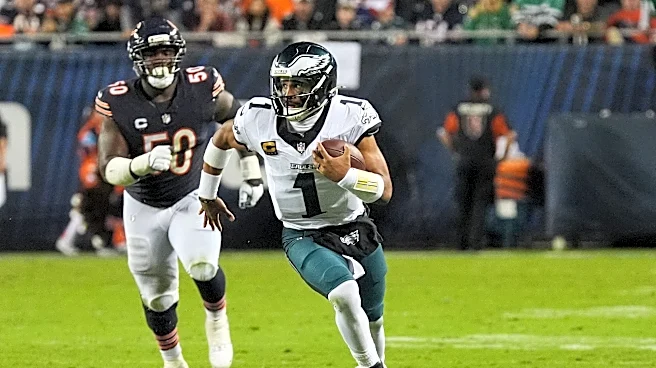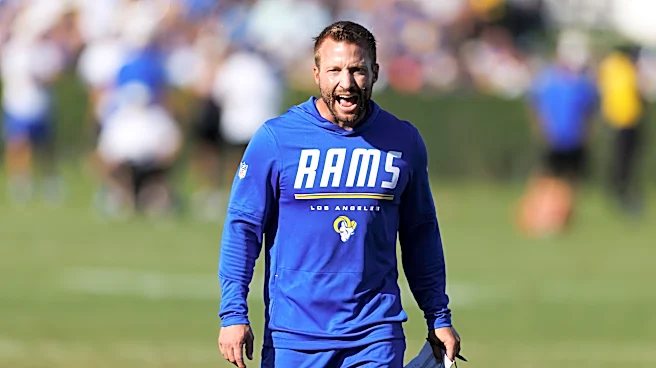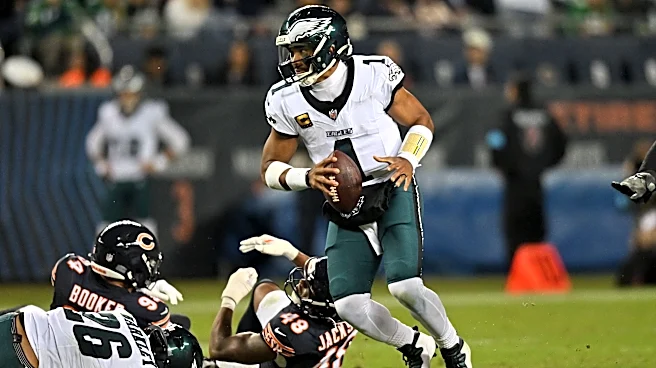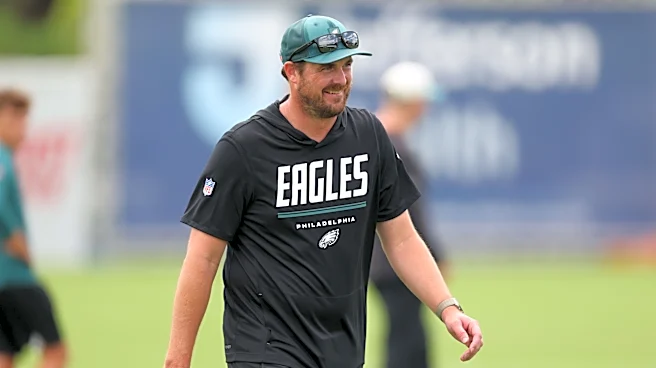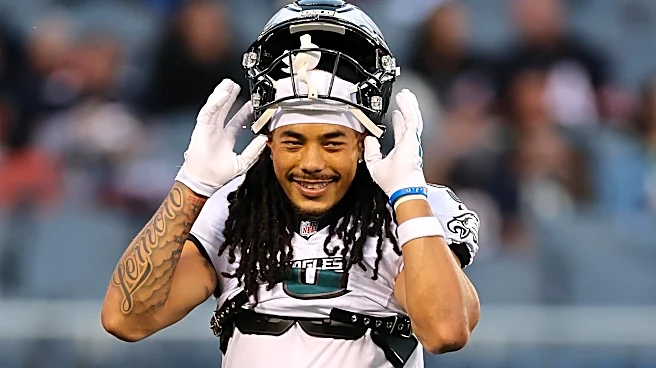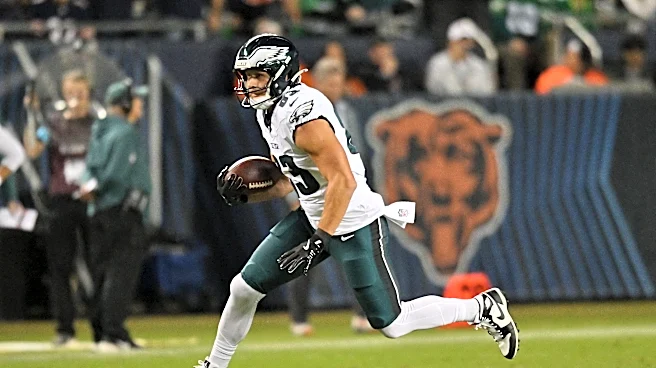


Sean Mannion entered his first season as the Philadelphia Eagles’ offensive coordinator with the personnel to create variety at tight end. Injuries have limited how extensively he can use it. Dallas Goedert injured his knee during Philadelphia’s Week 2 victory over Tennessee and did not play against Chicago. Rookie Eli Stowers has also been unavailable, leaving Johnny Mundt and E.J. Jenkins to handle larger responsibilities before the Eagles brought Zach Ertz back to Philadelphia.
The absences have contributed to heavier use of 11 personnel, which features one running back, one tight end and three wide receivers. Mannion said the shift has also been influenced by opponents and the matchups Philadelphia wants to create.
“There are multiple factors
to that,” Mannion said. “Some of it’s injury, some of it’s the opponent.”
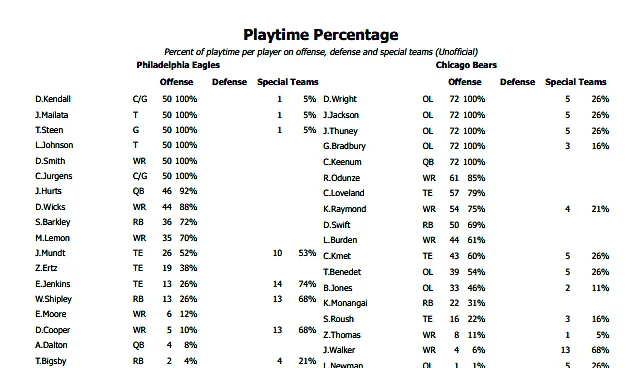
Before Goedert’s injury, Philadelphia used 12 personnel on 22.4% of its offensive snaps. That package gives the Eagles the option to create additional gaps in the running game, disguise protections and force defenses to declare whether they will counter with heavier personnel or remain in nickel. Philadelphia divided the tight end work against Chicago. Mundt played 26 offensive snaps, Ertz logged 19 after joining the team days earlier, and Jenkins played 13. The rotation gave Mannion enough bodies to function, but it did not offer the same versatility Goedert provides as a blocker and receiver.
Ertz should become more comfortable as he relearns the offense and builds timing with Jalen Hurts. Mundt remains a dependable blocker, while Jenkins offers athletic ability and special-teams value.
The Eagles value their receiver depth and can function from 11 personnel. Still, losing Goedert and Stowers has reduced Mannion’s options. Until that room becomes healthier, Philadelphia’s personnel usage will continue reflecting necessity as much as offensive preference.
This article originally appeared on Eagles Wire: How injuries at tight end have reshaped Sean Mannion's Eagles offense