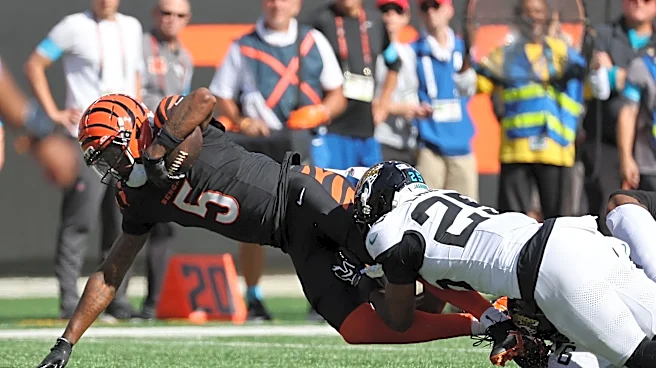


The Philadelphia Eaglesmust reshape their backfield after losing Tank Bigsby to a core muscle injury while awaiting clarity on Saquon Barkley’s injured hamstring.
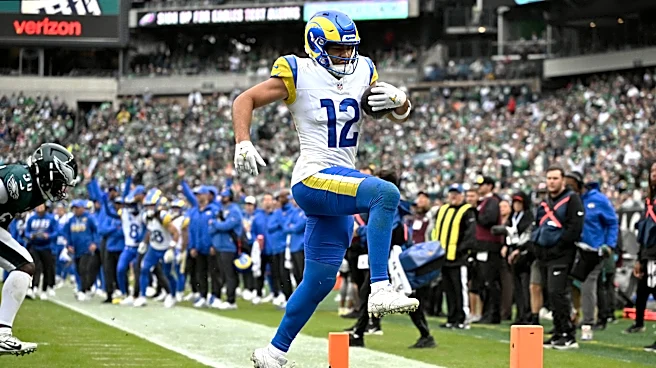
Bigsby is expected to undergo surgery and be placed on injured reserve, according to NFL Network’s Ian Rapoport. The Eagles hope he can return in six weeks or sooner, but an injured-reserve designation would require him to miss at least four games. Barkley left Sunday’s 24-20 loss to the Los Angeles Rams during the first quarter. He finished with 8 yards on two carries and has rushed for 182 yards without a touchdown through four games.
Will Shipley is the only other running back currently on Philadelphia’s active roster. The Eagles have three immediate options on their practice squad
and could explore a veteran market that includes Antonio Gibson, Raheem Mostert, Cam Akers, D’Ernest Johnson, and Jerome Ford as of Oct. 3.
Here are eight moves Philadelphia could consider, ranked by fit and practicality.
1. Promote Dameon Pierce
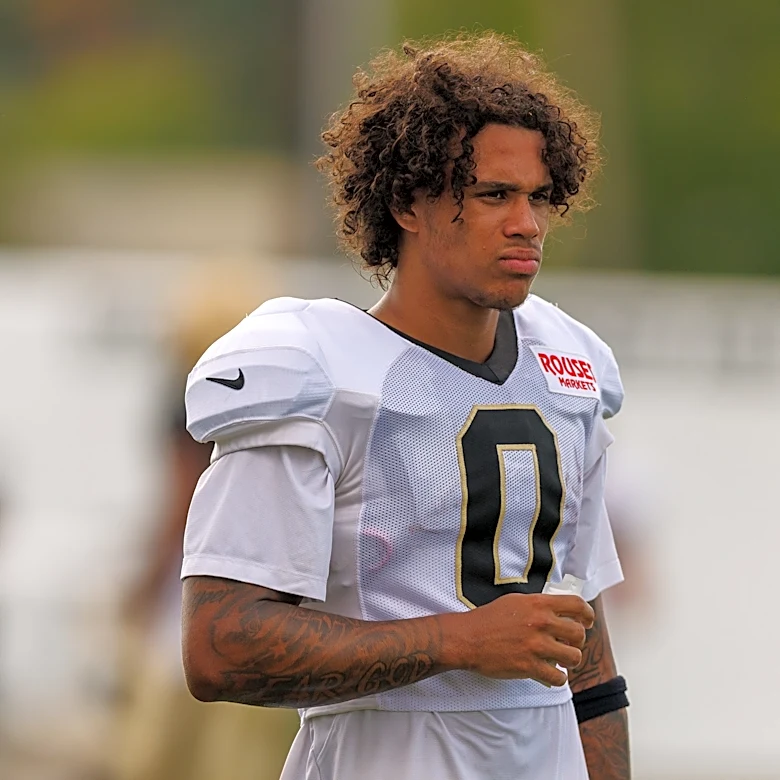
Pierce is the most logical choice because he spent the offseason, training camp, and preseason in Philadelphia’s offense. The 5-foot-10, 218-pound back also provides the physical running style the Eagles will lose during Bigsby’s absence. Pierce rushed for 939 yards and four touchdowns as a Texans rookie in 2022. His role subsequently declined, and he managed 36 yards on 14 carries across five games for two teams in 2025.
The recent production is underwhelming, but this decision is about readiness. Pierce already knows the terminology, blocking responsibilities, and weekly preparation process. Promoting him to the 53-man roster would fill the opening created when Bigsby moves to injured reserve.
2. Elevate Carson Steele
Steele could accompany Pierce as a temporary game-day elevation, giving the Eagles three available backs if Barkley cannot play against Jacksonville. The 6-foot, 228-pound Steele has regular-season experience with Kansas City. He rushed for 183 yards on 56 carries and caught seven passes for 26 yards over 17 games in 2024. He also recorded 59 rushing yards for Philadelphia during the 2026 preseason.
Steele’s size makes him an option for short-yardage work, pass protection, and special teams. An elevation would also let Philadelphia use him without immediately committing another permanent roster spot.
3. Elevate Jaydon Blue
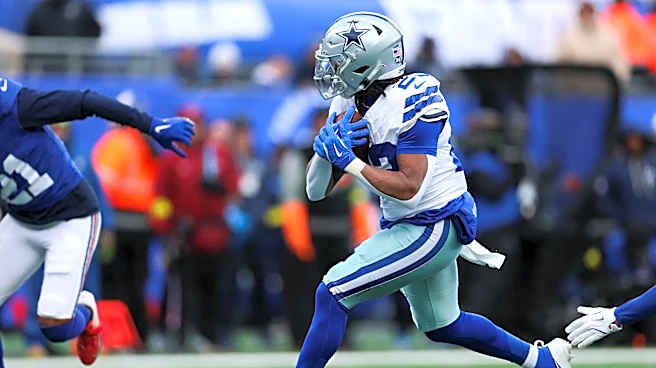
Blue would give the Eagles more speed and receiving potential than Pierce or Steele. Dallas selected him in the fifth round of the 2025 draft before Philadelphia added him to its practice squad in September.
Blue appeared in five games as a rookie, rushing for 129 yards and one touchdown on 38 carries. He caught one pass for 5 yards and averaged 3.4 yards per attempt. His best performance came in the season finale, when he gained 64 yards and scored on 16 carries. He has been with the Eagles for just over a month, so his command of the offense is an important consideration. Blue makes sense as a change-of-pace option, although the Eagles may trust Pierce and Steele more with protection assignments.
4. Sign Jerome Ford
Ford would be the most intriguing external option because of his age, receiving ability, and recent experience in a meaningful offensive role.
He rushed for 813 yards and four touchdowns for Cleveland in 2023, then added 565 yards and three scores while averaging 5.4 yards per carry in 2024. His workload dropped sharply in 2025, when he recorded 73 yards on 24 carries but remained involved as a receiver, catching 26 passes for 103 yards. Ford could help on passing downs and provide more long-term upside than most available veterans. The obstacle is timing: He would have to learn the offense and prove he can handle its protection rules.
5. Sign Antonio Gibson
Gibson offers a useful combination of size, receiving experience, and special-teams value. He has surpassed 1,000 yards from scrimmage twice and began his career with 21 rushing touchdowns across his first three seasons in Washington.
In 2024, Gibson rushed for 538 yards on 118 carries, averaging 4.5 yards per carry, and caught 23 passes for 206 yards. His 2025 season was limited to five games, 25 carries, 106 yards, and one touchdown.
His ability to catch the football would help if Philadelphia wants a veteran who can support Shipley on passing downs. Medical evaluation and conditioning would determine how quickly he could contribute.
6. Sign Raheem Mostert
Mostert remains the most accomplished big-play runner on the list. His best season came in 2023, when he rushed for 1,012 yards and an NFL-leading 18 touchdowns with Miami. His workload and production have declined since then. In 2025, Mostert recorded 104 yards on 22 carries and caught 12 passes for 70 yards in 12 games for Las Vegas.
Mostert could offer speed and outside-zone experience, but at this stage of his career, Philadelphia would need to determine whether he can handle a dependable weekly workload. He profiles better as a complementary option than an emergency replacement for Barkley.
7. Sign Cam Akers
Akers has appeared in 53 regular-season games with 17 starts, rushing for 2,025 yards and 13 touchdowns on 502 attempts. He also has 52 catches for 388 yards and four scores. His experience in multiple offenses would help him adapt, but he played sparingly in 2025, finishing with 19 yards on five carries. Akers has also returned from significant injuries during his career.
He would offer proven NFL experience, although Pierce is younger, already knows the Eagles’ offense, and can fill a similar early-down role.
8. Sign D’Ernest Johnson
Johnson has been an effective spot starter during his career, most notably with Cleveland. He produced 534 rushing yards and three touchdowns while averaging 5.3 yards per carry in 2021. His recent usage has been limited. Johnson appeared for Arizona and New England in 2025, totaling 25 yards on 14 carries across eight games.
Johnson would provide veteran depth, but he does not offer enough of an immediate advantage over Philadelphia’s internal candidates to justify prioritizing him.
Takeaway
The cleanest solution is to promote Pierce and elevate either Steele or Blue for Sunday’s game in London. That approach would preserve continuity during a shortened travel week and give the Eagles three running backs without asking an outside addition to learn the offense immediately. Pierce is the best direct replacement for Bigsby because of his size, experience, and familiarity with the system. Steele offers another physical option, while Blue provides more speed if Philadelphia believes he is ready for protection and special-teams responsibilities.
An external signing becomes more necessary if Barkley’s hamstring injury is expected to sideline him beyond Week 5. Ford would provide the best blend of age, receiving production, and upside. Gibson would be the most versatile veteran alternative.
The Eagles do not need one player to replace Barkley or Bigsby individually. They need enough complementary skill sets to keep the offense functional until one or both return. Promoting Pierce, elevating another practice-squad back, and monitoring Barkley’s recovery is the most practical immediate plan.
This article originally appeared on Eagles Wire: 8 running backs the Eagles could add after Tank Bigsby’s injury