



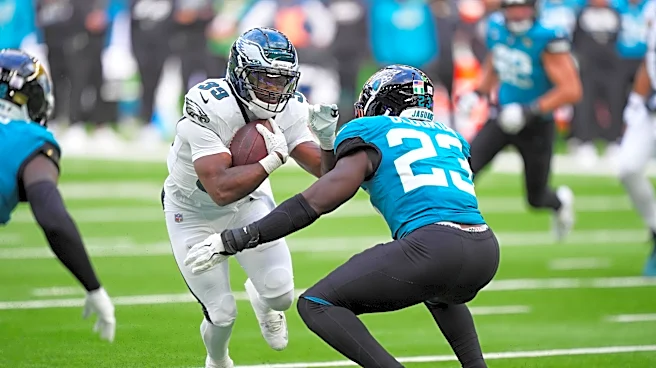
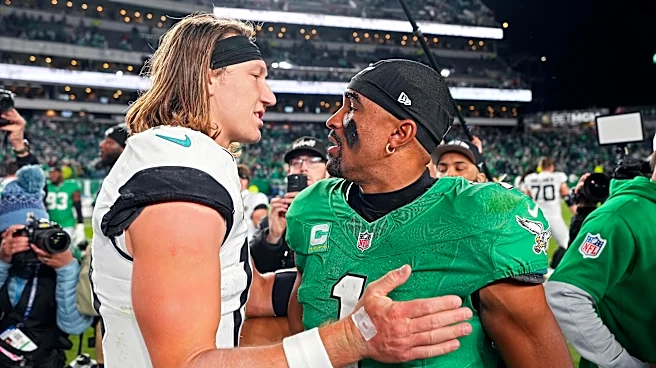
Eight seconds. That was all the time the Jacksonville Jaguars had left after Jake Elliott’s field goal attempt sailed through the uprights. The Philadelphia Eagles were ahead 17-16 in London. With no timeouts remaining, it seemed a near-miracle would be needed for Liam Coen's squad to steal the game.
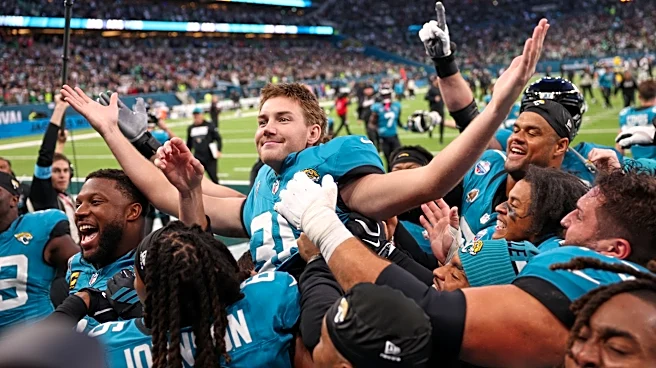
What happened next may not have been a miracle, but it was certainly impressive. A 53-yard kickoff return and a walkoff 57-yard field goal would have written the ending to this one. The Eagles would board a flight home carrying the weight of a third consecutive loss. Before doing so, head coach Nick Sirianni would take ownership of another costly decision.
The final kickoff was the most visible mistake, but it wasn't the only moment that deserved
scrutiny. Game management was an issue, especially late, and that's bothersome because this isn't an isolated incident.
This has gone on for a while. Rewind the tape one week. Sirianni’s fourth-quarter choices against the Los Angeles Rams the previous week had again raised questions about his judgment in tight games. Against Jacksonville, the Eagles’ final possession offered another lesson in how clock management, situational awareness, and attention to detail can determine whether a late lead holds up. In this case, it didn't, and people have spent a lot of time dissecting what was said in the fallout.
Nick Sirianni’s decision-making must account for personnel and how offense is performing
Think about Week 4 for a moment. Going for the touchdown against the Rams was defensible in theory, but game management cannot happen in a vacuum.
Coaches must weigh the potential reward against what their personnel has demonstrated they can consistently accomplish. With Philadelphia struggling to generate a reliable offense, taking points rather than chasing a larger lead deserved serious consideration. Even if the Rams scored two touchdowns, which they did, Philadelphia may have needed only a field goal to win on their final drive.
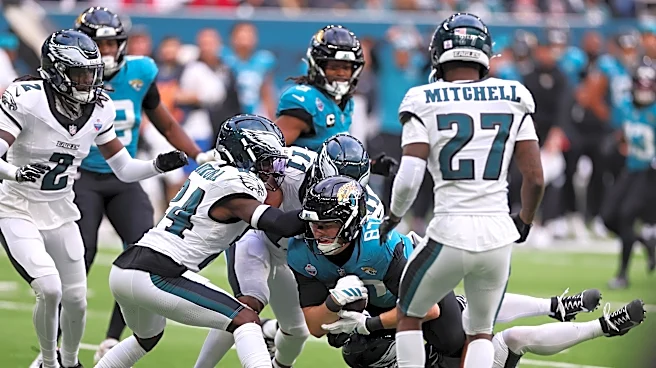
So, what does that have to do with Week 5, you ask? Think about it this way. Philadelphia's final kickoff against Jacksonville was probably less defensible. With eight seconds remaining and the Jaguars out of timeouts, Philadelphia should have sent the ball through the back of the end zone for a touchback rather than allowing a return. Instead, Ameer Abdullah brought the kickoff back 53 yards, giving Jacksonville the field position it needed for Cam Little’s 57-yard game-winning field goal.
The warning signs were already there. Jacksonville returned the opening kickoff to the end zone, but offsetting penalties erased the play; then another issue emerged. The Eagles lost one of their best special teamers, Jeremiah Trotter Jr., to an ejection on that same opening kickoff. Philadelphia had seen enough to know the Jaguars could create problems in the return game, yet the team left the door open for another dangerous return at the highest-stakes moment.
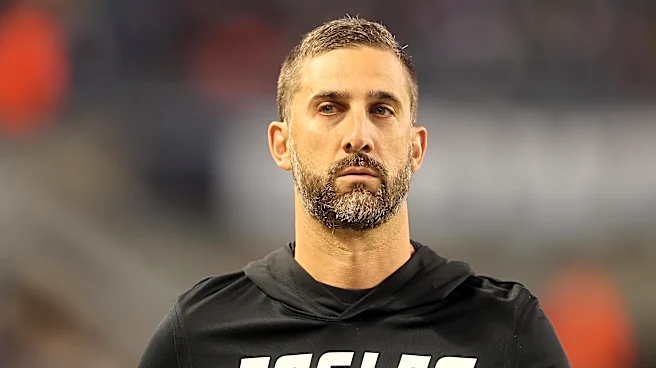
Sirianni accepted responsibility afterward, saying he made the wrong decision and lost the game. That accountability matters, but the situation also raises a fundamental question about preparation: If the opponent has shown it can hurt you on special teams, why give it another chance when a touchback would eliminate the risk?
Clock management on Eagles' final drive of the fourth quarter
The kickoff was not the only questionable decision in the closing minutes. Philadelphia had a chance to control the clock on its final offensive possession, but a series of small mistakes left Jacksonville with more time than it should have had.
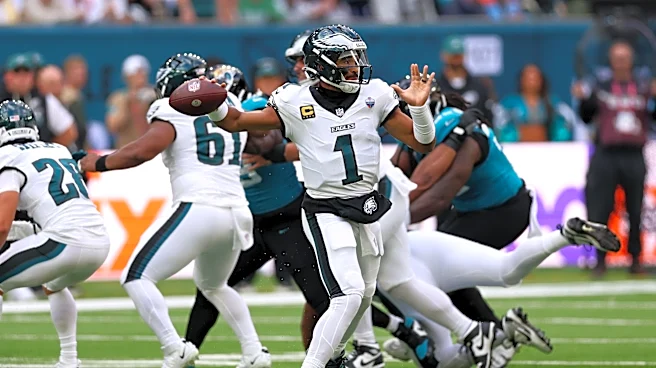
The Eagles took possession with one timeout and 1:35 remaining, starting at their own 38-yard line. After an incompletion and a five-yard penalty, Philadelphia faced second-and-15 with 1:31 left. Dontayvion Wicks caught a 10-yard pass, followed by a six-yard completion to move the chains. An incompletion followed, but Jalen Hurts then connected with Dallas Goedert for 17 yards to move the Eagles into field-goal range.
After another incompletion, Hurts completed a seven-yard pass to Makai Lemon. The rookie receiver traveled out of bounds with 17 seconds remaining, stopping the clock and allowing Jacksonville to preserve its final timeout. Lemon’s decision to step out of bounds is open to interpretation, but the coaching staff also has a responsibility to prepare players for the game situation and ensure everyone understands the priority of keeping the clock moving.
Philadelphia then ran Dameon Pierce, who lost three yards. Jacksonville used its final timeout, leaving the Eagles facing fourth down at the Jaguars’ 30-yard line. Had Lemon stayed in bounds, Jacksonville likely would have needed to spend that final timeout to stop the clock. That would have let Philadelphia use its remaining timeout after the next play and run the clock down to just a few seconds before Elliott attempted the field goal.
The distinction matters because the Eagles ultimately left eight seconds on the clock, enough for Jacksonville to turn a long return into a game-winning opportunity. The coaching staff couldn't control every outcome, but better clock management (and execution) could have limited the Jaguars’ options.
Another loss exposes the cost of small mistakes again
Philadelphia’s defeat was not the result of one isolated decision. The Eagles battled offensive struggles and injuries but still took a late lead and put themselves in position to win. That makes the final sequence even more frustrating because the Eagles had clear opportunities to protect that advantage.
Sirianni’s responsibilities extend beyond motivating his players or making in-the-moment decisions. He must manage personnel, anticipate how opponents might respond, and manage the clock and field position to minimize unnecessary risks. Against Jacksonville, both the final kickoff and the handling of the Eagles’ last offensive possession left the team with precious little time to work with.
Philadelphia cannot undo what happened in London, but the coaching staff must show that it can learn from these mistakes. The concern is that similar problems keep resurfacing, raising questions about whether the team is carrying lessons from one painful defeat into the next. If they aren't, the issue goes beyond a handful of bad decisions.
Sirianni has earned credit for his success in Philadelphia, but that history cannot shield him from scrutiny when the same questions keep returning. The larger issue is whether he can consistently put his team in the best position to win when the margin for error is slim.
That is the challenge facing Sirianni now. When the Eagles have a clear roster advantage, his job is to help them capitalize on it. When injuries, inconsistency, or difficult matchups take that advantage away, he must find other ways to make the difference.
After another loss shaped by preventable mistakes, the question is no longer simply whether Sirianni can lead a talented team to victory. It is whether he can be the difference-maker when talent alone isn't enough or when he doesn't have the superior roster. The question is whether he can be the difference-maker when he needs to be.
This article originally appeared on Eagles Wire: Nick Sirianni's late-game decisions loom large in Eagles' London loss