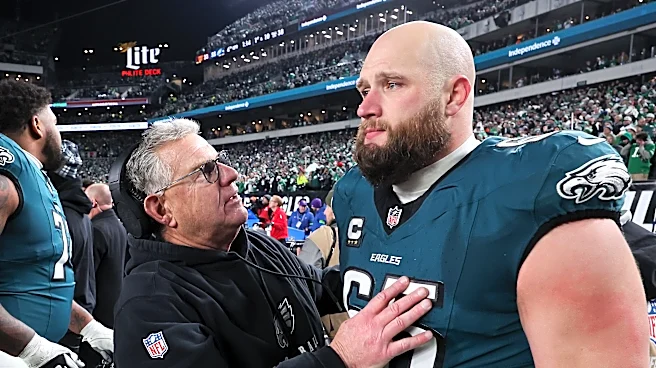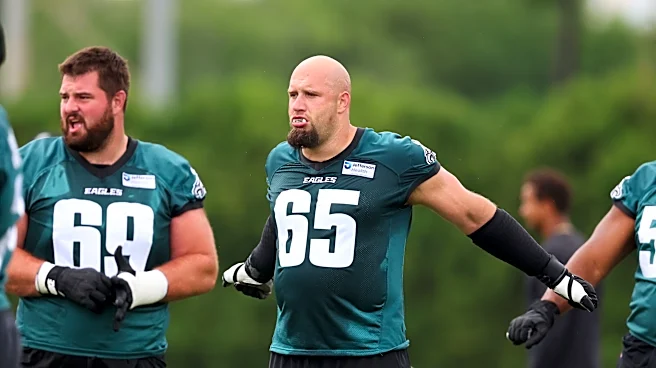







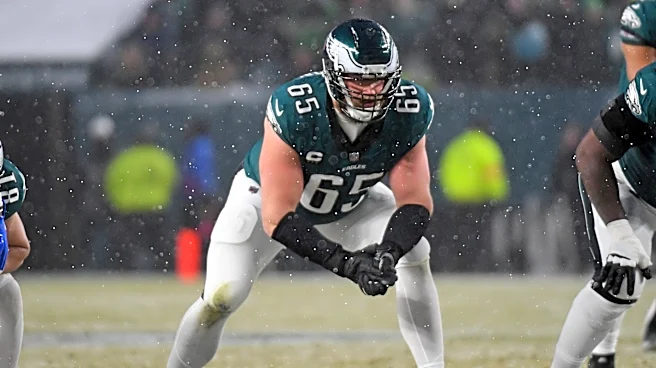

Lane Johnson’s retirementremoves one of the NFL’s best right tackles from the Philadelphia Eagles’ lineup, but it will not immediately remove his contract from their salary cap.
Johnson entered the 2026 season with a $20.299 million cap charge, representing 6.42% of Philadelphia’s adjusted cap, according to Over the Cap. His contract included a $1.3 million base salary and $18.999 million in prorated signing and option-bonus charges. Those bonus payments were already made and cannot simply disappear because Johnson retired. That distinction is important. Retirement ends Johnson’s playing career, but the team must still account for previously paid bonuses unless the Eagles recover money from him. No such repayment has been announced, and the NFL
Players Association generally discourages players from returning guaranteed compensation.
Philadelphia’s next move will determine when the remaining charges reach its cap. Processing Johnson’s retirement immediately could accelerate a substantial portion of the contract’s unaccounted-for bonus money. Over the Cap lists $42.89 million in potential dead money tied to the 2027 league year, although the final accounting will depend on when the transaction is formally processed and whether the contract is adjusted beforehand.
The Eagles could leave Johnson on the reserve/retired list and delay processing the contract’s separation until after June 1, 2027. A post-June 1 treatment would let Philadelphia split the remaining dead money between 2027 and 2028 instead of absorbing the full accelerated charge in one season. Over the Cap currently lists a post-June 1 separation in 2027 at $16.614 million in dead money for 2027 and $26.276 million for 2028, creating $4.476 million in 2027 cap savings compared with Johnson’s scheduled $21.09 million charge.
The Eagles therefore should not expect Johnson’s departure to produce meaningful spending room this season. The larger issue is how much of his deferred compensation must be carried through the next two league years while Philadelphia also searches for his successor. Johnson’s contract reflects the aggressive restructuring Philadelphia used to keep an elite player while limiting his earlier cap numbers. That strategy helped the Eagles build championship-caliber rosters, but retirement brings the deferred costs forward.
The financial fallout does not diminish Johnson’s value. He retired after helping Philadelphia win two Super Bowls, three NFC championships, and earning six Pro Bowl selections. It does, however, leave the Eagles paying for their former right tackle while potentially investing premium draft capital or another significant contract in his replacement.
This article originally appeared on Eagles Wire: Explaining the salary-cap fallout from Lane Johnson’s retirement