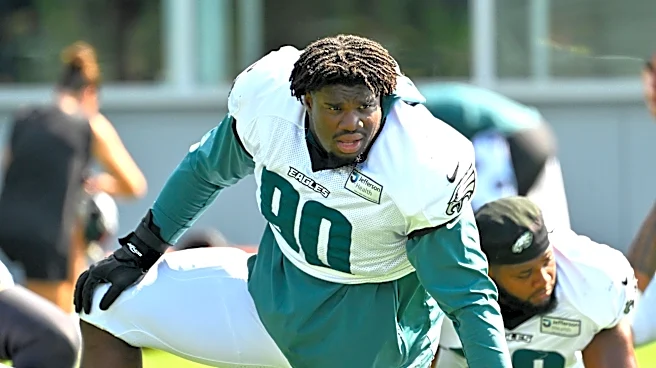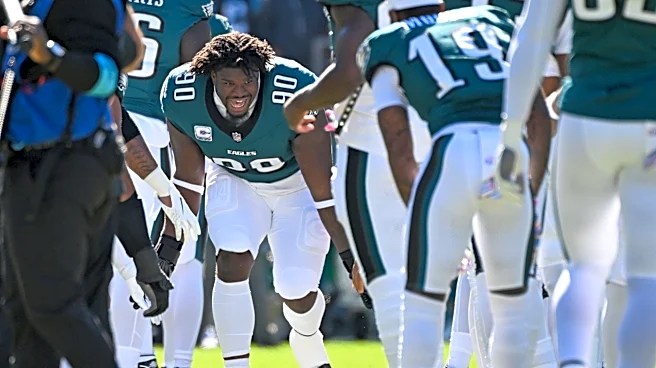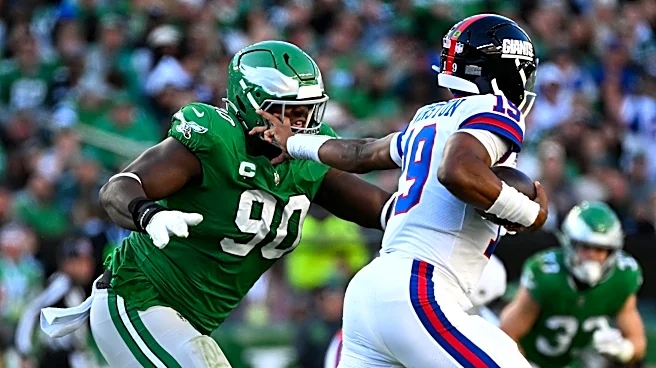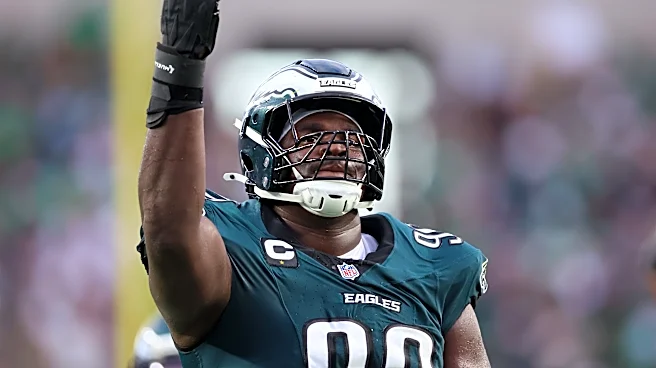



The Eagles have created options
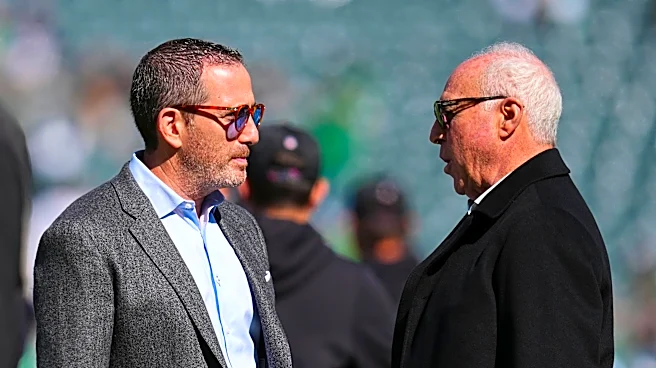
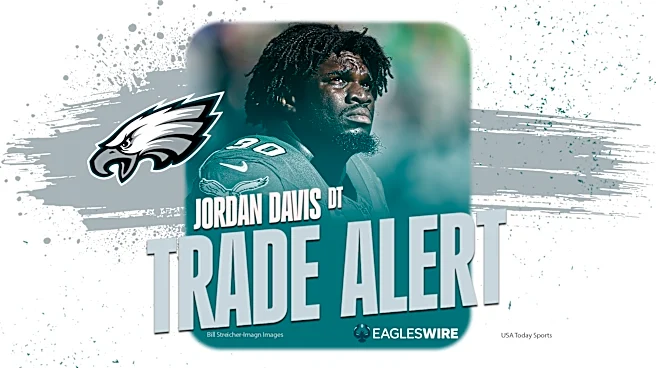
with their draft capital. What they do with those options will determine whether their deadline decisions improve the organization. Following the Jordan Davis agreement, Philadelphia holds five first-round picks and five second-round picks across the next three drafts, according to Jeff McLane’s reported inventory. That matches Adam Schefter’s total of 10 selections in the first two rounds.The collection gives Howie Roseman several paths. None requires announcing a target, predicting a specific draft position, or deciding today how to use every pick.
Make multiple selections at premium positions
The most direct approach is to draft players. Multiple early selections let Philadelphia address more than one need without relying on later-round prospects to fill
immediate openings. The Eagles can evaluate offensive line, defensive line, and other positions based on available talent. Their draft capital should support that evaluation rather than force a predetermined shopping list.
Selecting well also creates the possibility of productive players on rookie contracts, helping balance spending elsewhere.

Move within a draft when the value supports it
Additional selections let Philadelphia move up for a player it values or move down when another team offers worthwhile compensation. That flexibility should not become a trade requirement. Keeping a selection can be the best decision when a strong prospect remains available.
The important advantage is having alternatives when the board develops differently than expected.
Trade for an established contributor
Premium picks can acquire players with an NFL track record. That may become attractive if Philadelphia identifies a specific roster weakness and believes the player’s age, contract, and performance fit its competitive plans.
The cost includes more than the pick. An established acquisition can require a substantial contract, limiting the financial advantage of retaining draft choices.
Any such move should be tied to a defined need and a realistic assessment of the roster.
Spread investment across several years
Philadelphia’s early selections are distributed across 2027, 2028, and 2029. That allows the organization to address needs as they evolve rather than concentrating every decision in one offseason.
The Eagles do not need to solve every future question with the next available pick.
Keep the focus on development
Acquiring selections is only part of roster building. Philadelphia must create an environment in which those players can improve, earn responsibilities, and become dependable starters.
The Davis trade increased flexibility. It did not guarantee the next successful roster. That will require disciplined decisions, effective coaching, and patience with players whose development will not follow a straight line.
This article originally appeared on Eagles Wire: How Eagles can use their growing collection of premium NFL draft picks