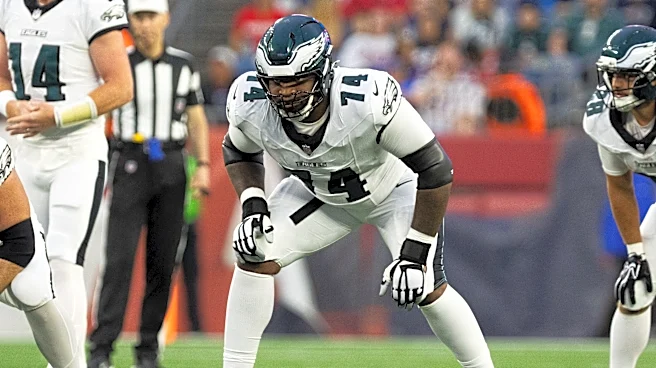




The Eagles
opened the season with two victories and entered their bye still waiting for a third. That is the simplest explanation of how dramatically expectations have changed. Philadelphia’s first nine games have included promising individual contributions, costly injuries, and repeated failures to sustain competent offense. Here is the good, bad, and ugly from a season that needs a different finish.The good: Young receivers have supplied useful contributions
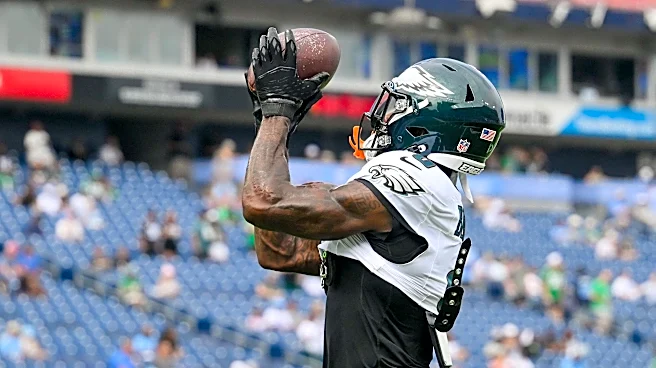
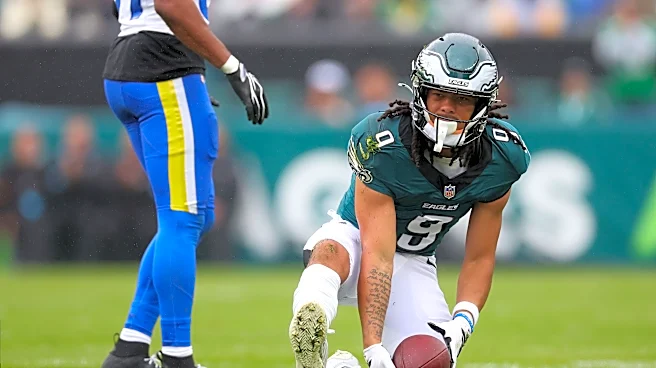
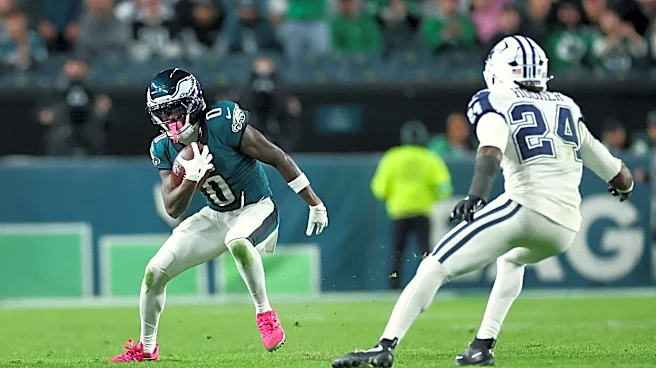
Makai Lemon has become a regular option, while Darius Cooper has supplied important touchdown catches. Neither player has transformed the offense, but both have given Philadelphia something worthwhile to evaluate. That distinction matters during a difficult season. The Eagles need players whose development can improve the next roster, and the receiving
room has supplied some evidence that those pieces exist.
Nolan Smith’s rebound also belongs here. Philadelphia needs productive edge rushers, and his improvement from last season gives the defense another reason to keep investing in his development.
The good: Special teams have provided memorable moments
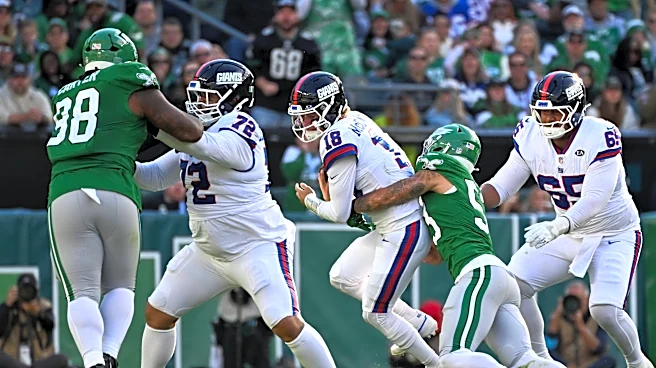
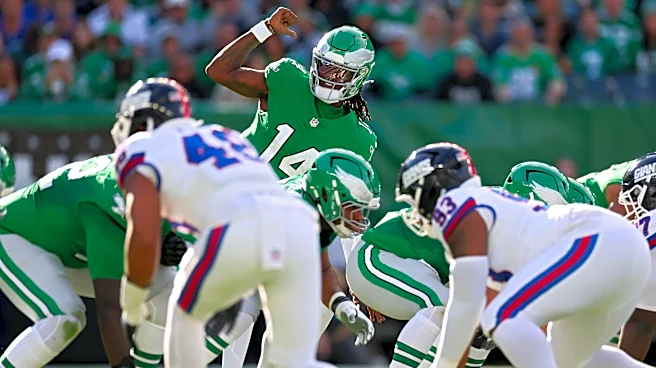
Braden Mann’s 86-yard punt against the Giants offered a rare highlight during another disappointing afternoon. His work and Jake Elliott’s accuracy have supplied contributions worth recognizing. Those moments cannot carry an entire team, but they deserve consideration without being buried beneath the overall record.
The bad: The offense has rarely controlled the game
Philadelphia has struggled to turn individual plays into sustained possessions. A completion or scramble might briefly create momentum, only for the next breakdown to send the offense back to punting. The Eagles need more consistent early-down execution and better answers when defenses bring pressure. Until that happens, productive individual moments will continue having limited influence on the final result.
The bad: Injuries have complicated meaningful evaluation
Unavailable starters and changing combinations have made continuity difficult. They also complicate judgments about whether a particular player, concept, or lineup is working. That context deserves acknowledgment, but Philadelphia still must identify which problems it can fix with its available personnel. Waiting for ideal circumstances is not a workable approach.
The ugly: The second-half scoring gap
Philadelphia has been outscored 41-13 in the third quarter and 85-27 in the fourth. Those margins illustrate how consistently games have moved away from the Eagles after halftime. The causes require examination across coaching, execution, and game circumstances. Whatever the combination, Philadelphia cannot keep entering the second half without producing enough offense to change the outcome.
The final eight games will determine whether the Eagles can turn their encouraging individual moments into something more substantial.
This article originally appeared on Eagles Wire: Eagles bye week: Good, bad and ugly from Philadelphia’s first nine games