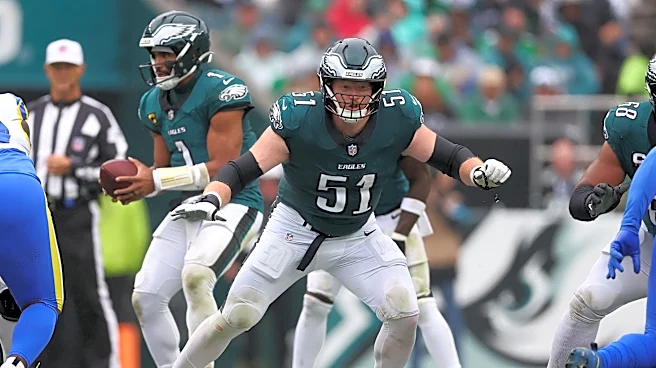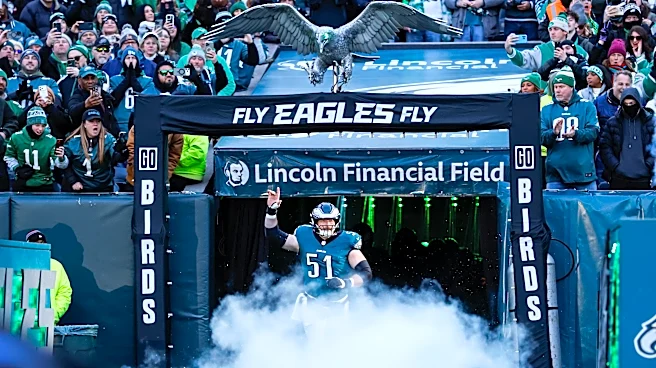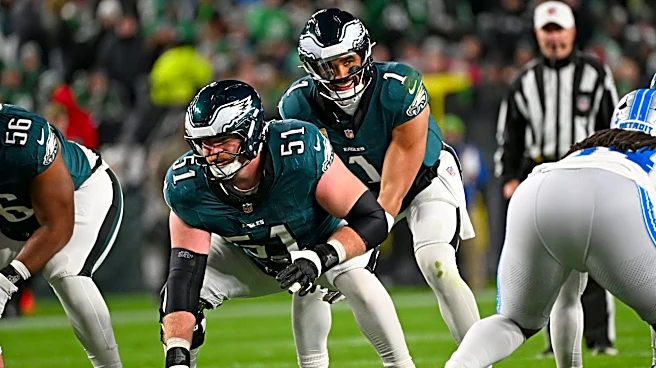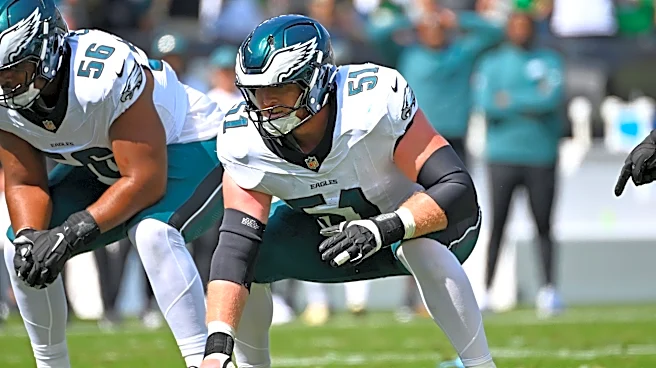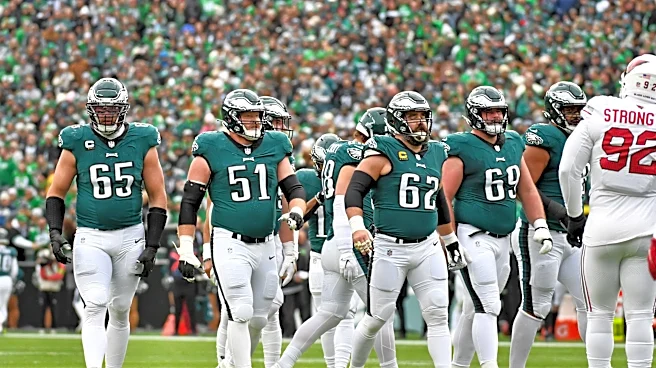





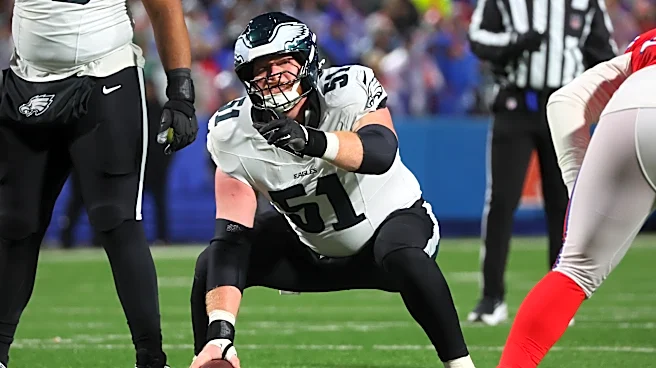
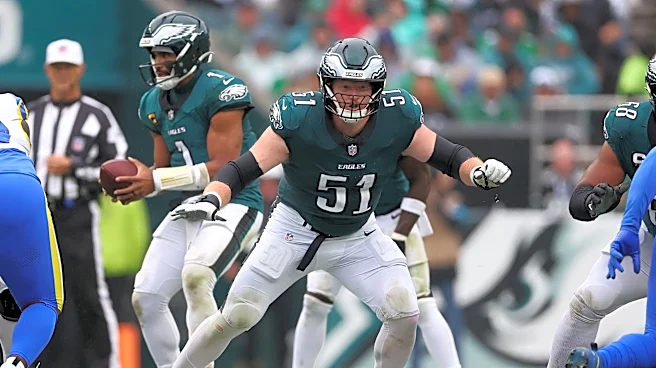
The Philadelphia Eagles gained draft capital by trading Cam Jurgens to Baltimore, but the deal provides limited immediate salary-cap relief and leaves a substantial charge for next season.
Philadelphia acquired a 2027 fifth-round pick and a 2028 second-round selection in exchange for Jurgens and a 2027 seventh-rounder. The compensation gives general manager Howie Roseman additional resources to reshape the roster while accepting the financial consequences of moving an established starter.
The trade’s primary value is the opportunity to improve future teams. It does little to expand Philadelphia’s spending power this season or in the coming future.
Philadelphia gains approximately $945,000 in 2026 relief
Over the Cap’s updated accounting lists a $4,576,200 charge for Jurgens on Philadelphia’s 2026 cap.
Baltimore carries a $945,000 charge for his remaining salary this season. That leaves the Eagles with minimal cap relief. Most of the cap accounting associated with money Philadelphia already paid remains on its books.
The distinction matters when evaluating the blockbuster move. Trading a player transfers remaining contractual obligations, but it does not automatically remove charges tied to bonuses his former team paid, and they'll pay a dead cap hit on this move as well.
A substantial charge remains in 2027
Over the Cap lists Philadelphia’s 2027 dead-money charge for Jurgens at $14,925,600. That represents cap space committed to a player who will be playing elsewhere.
Because the trade occurred after June 1, future bonus allocations accelerate into the following season rather than all becoming a charge this year. Philadelphia therefore absorbs the transition across two cap years.
Dead money is an accounting charge, not necessarily a new payment. Philadelphia must account for money already paid even as Baltimore assumes Jurgens’ remaining compensation.
Draft capital and future obligations explain the decision
The second-round pick in 2028 is the centerpiece of Philadelphia’s return. Roseman can eventually use it to select a player, move around the draft or pursue another trade. The financial benefit extends beyond this season’s savings. Baltimore assumes future compensation under Jurgens’ contract, reducing Philadelphia’s remaining cash commitments while the Eagles absorb their retained cap charges.
That creates a trade-off. Philadelphia loses an experienced offensive lineman and carries a significant 2027 accounting cost, but gains draft resources and avoids future payments attached to keeping him.
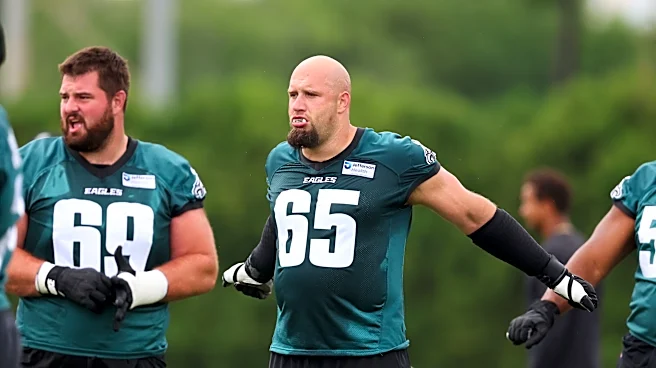
With Lane Johnson retiring and the offensive line already changing, the Eagles must now turn those resources into dependable replacements. The trade improves their options for future roster construction; it offers limited help with the immediate cost of rebuilding the lineup.
This article originally appeared on Eagles Wire: How trading Cam Jurgens impacts the Eagles’ salary cap