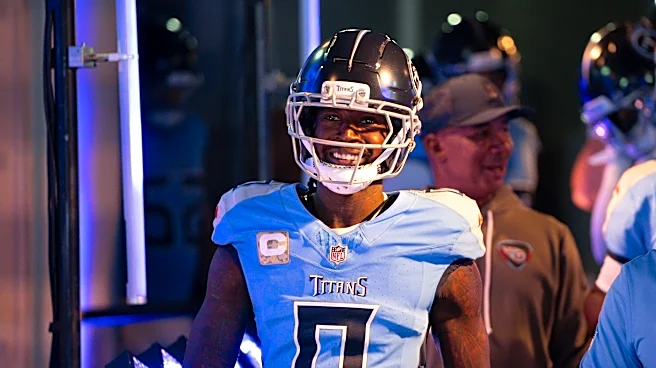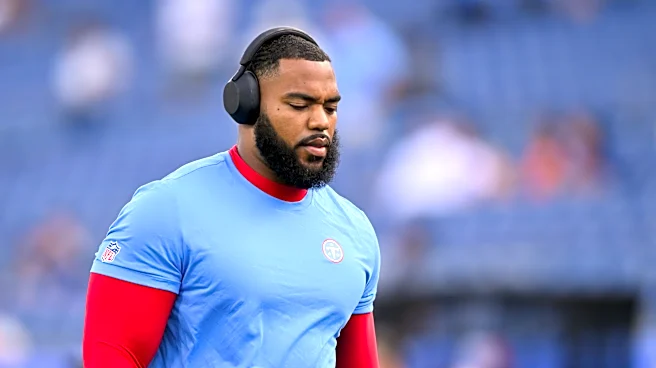

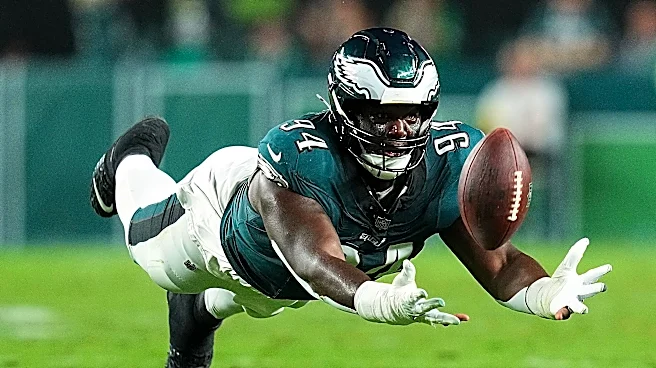
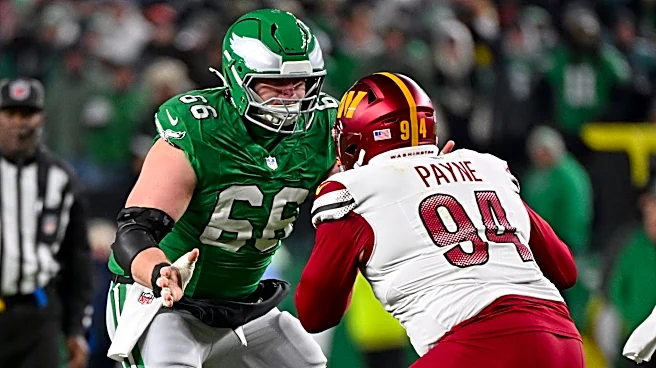
Tennessee’s defensive front can trouble any opponent. Philadelphia's best attack comes through the linebackers and the secondary behind them. The Titans rebuilt portions of their secondary during the offseason and allowed 215 passing yards in Week 1. Their best defensive path is generating pressure with Jeffery Simmons and John Franklin-Myers before routes develop.
Philadelphia can counter that plan in several ways.
Move the launch point
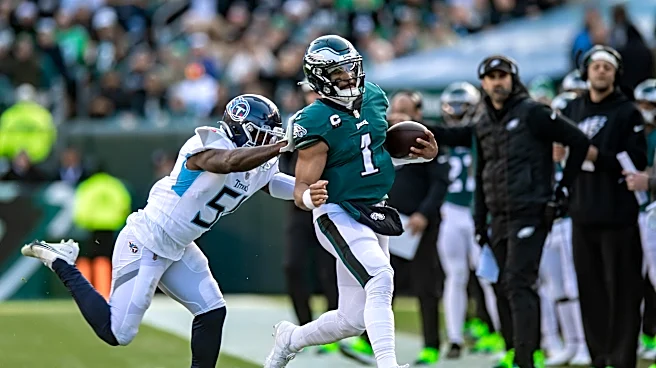
Jalen Hurts doesn't need to stay in one spot all game when he drops back.
Designed movement, bootlegs, and play-action can keep Tennessee’s interior rush from attacking a stationary target. It can also force the Titans’ linebackers and defensive backs to maintain coverage after Hurts leaves the pocket.
Use motion to identify coverage
Dontayvion Wicks, Makai Lemon and
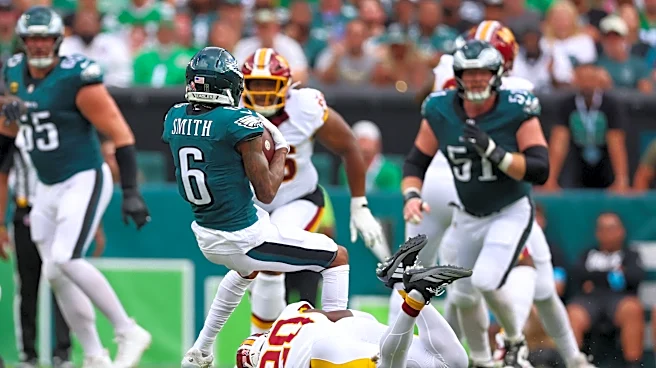
DeVonta Smith can all move around the formation. That flexibility should help Hurts determine whether Tennessee is playing man or zone before the snap. Motion can also prevent the Titans from consistently matching their preferred defender against Smith or Dallas Goedert.
Test the middle
Goedert caught four passes for 77 yards and two touchdowns against Washington. His 43-yard score showed he remains capable of creating yards after the catch. Play-action throws behind Tennessee’s linebackers can become available if Barkley forces them toward the line of scrimmage.
Make Tennessee cover everyone
Wicks produced 73 yards and a touchdown in Week 1, while Smith and Goedert made critical plays. Lemon’s production was limited, and Hollywood Brown did not play an offensive snap. Adding Brown’s speed would stretch Tennessee horizontally and vertically. Philadelphia should make the Titans defend multiple receiving threats instead of allowing the pass rush to dictate the game.
This article originally appeared on Eagles Wire: How Philadelphia can attack Tennessee’s biggest defensive weakness