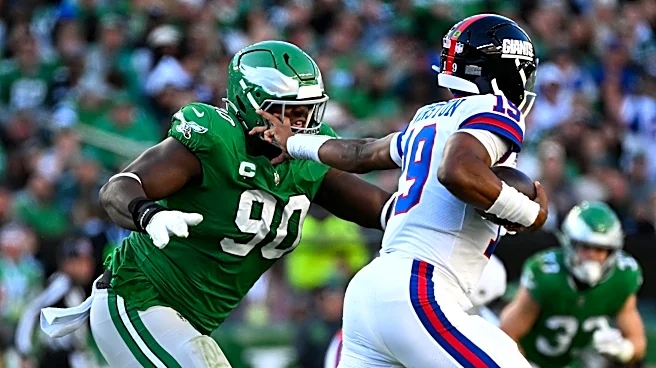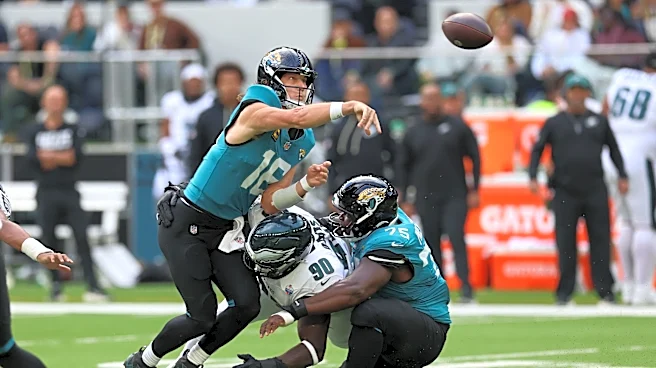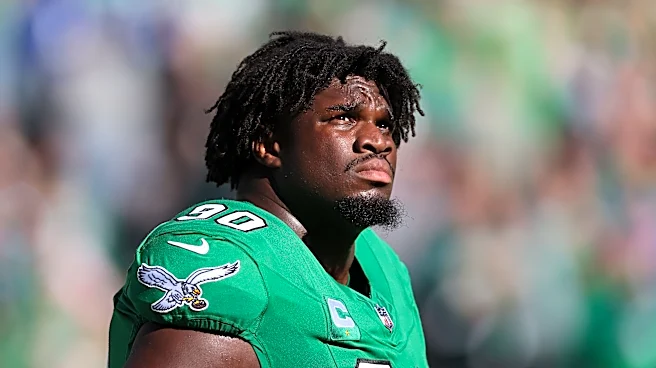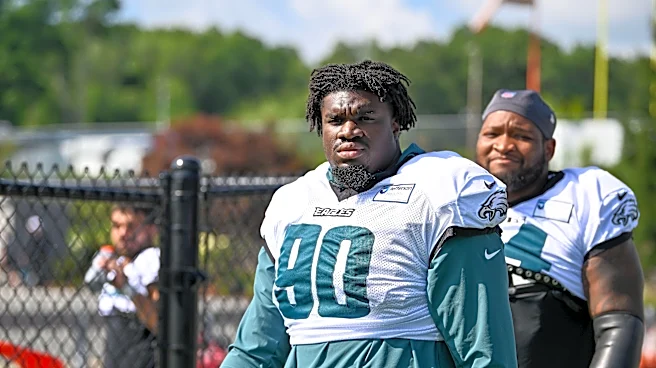

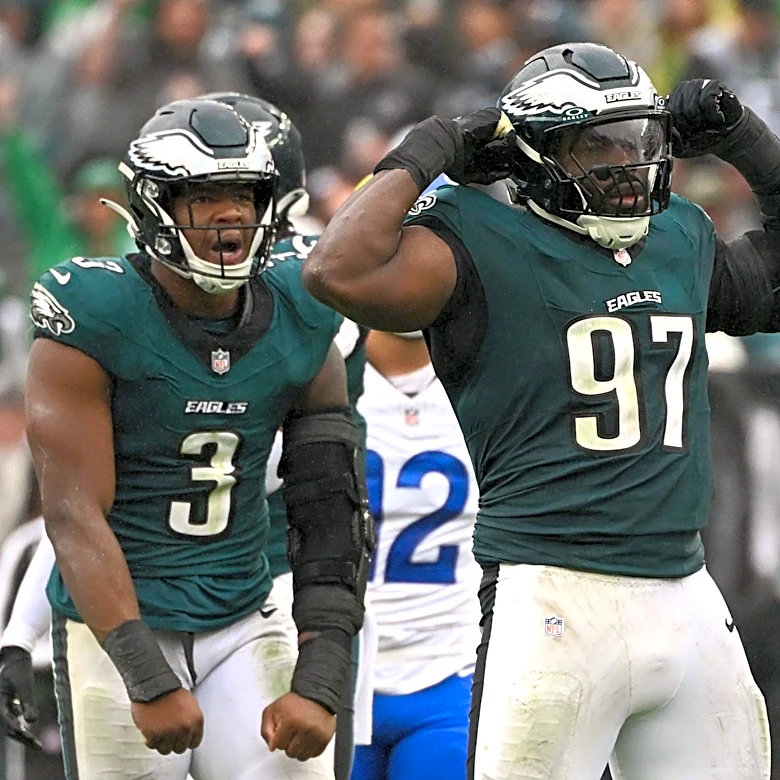
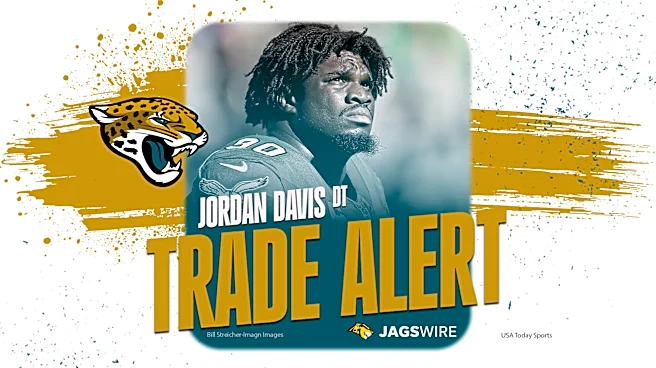
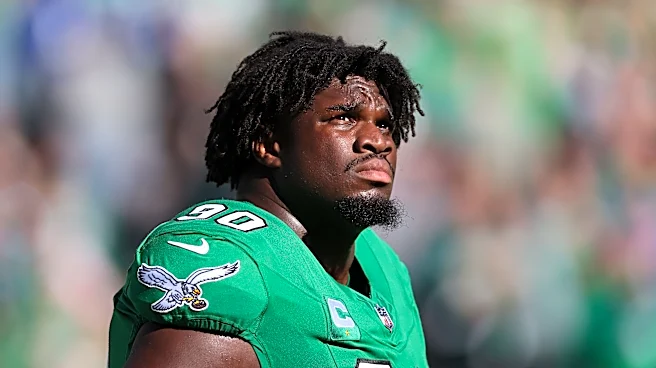
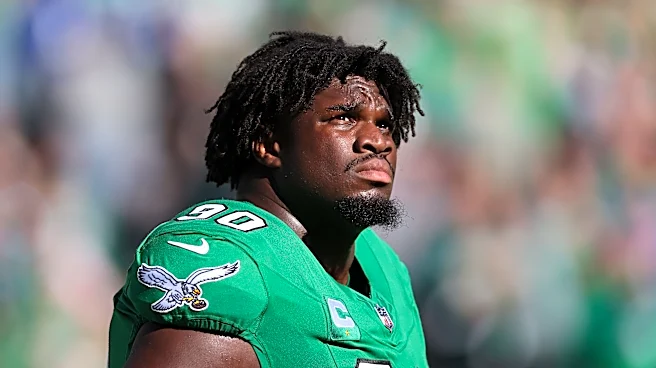
The Eagles landed a first-round pick and a second-round pick for Jordan Davis. That is a substantial return, but grading the trade requires more than counting selections. Philadelphia is sending away a 26-year-old defensive tackle who signed an extension in March and remained under contract through 2029. Jacksonville is acquiring multiple seasons of control, while the Eagles absorb dead-money charges and create an immediate opening inside their defense.
The deal makes sense for Philadelphia’s current circumstances. It also carries consequences that keep it from being an automatic home run.
Eagles grade: B+
The strongest part of Philadelphia’s return is the 2027 first-round selection. It gives Howie Roseman another premium opportunity in the next draft, while the 2029
second-rounder extends the organization’s flexibility. The picks are not conditional on Philadelphia finding an immediate replacement. They remain useful assets whether the Eagles select players, move around the draft, or pursue established talent.
The downside is timing. Philadelphia committed to Davis months ago, then decided to move him during a 2-7 season. The organization must account for that change of direction and replace his contributions.
Jaguars contract control makes Davis valuable: A-
Jacksonville is not paying for a short rental. Davis’ contract runs through 2029, allowing the Jaguars to incorporate him into plans beyond their current postseason push. That control helps explain the price. The Eagles received premium compensation because they surrendered an established defender with several seasons remaining on his deal.
Philadelphia should get credit for the return without overlooking what it traded away.
Dead money reduces the financial benefit
According to Spotrac, the Eagles absorb approximately $4.4 million in dead money this season and $15 million in 2027. The latter represents a roughly $6.5 million reduction in next year’s cap space compared with keeping Davis.
This was not a simple salary dump that immediately opened substantial room. Philadelphia accepted an accounting cost to acquire draft capital and transfer future payment obligations.
That trade-off is defensible, but it belongs in the grade.
Jaguars grade: B+
Jacksonville paid aggressively for a player who can help its defensive front now and remain there later. The acquisition fits a team willing to exchange future selections for a stronger postseason opportunity. The risk is the same one facing every buyer: The Jaguars need the player’s production to justify the picks and remaining contract.
For Philadelphia, the package is strong enough to support the decision. Turning a B+ transaction into a lasting success will require using the selections effectively and having a workable replacement plan.
This article originally appeared on Eagles Wire: Jordan Davis trade grades: Did Howie Roseman fleece the Jaguars