

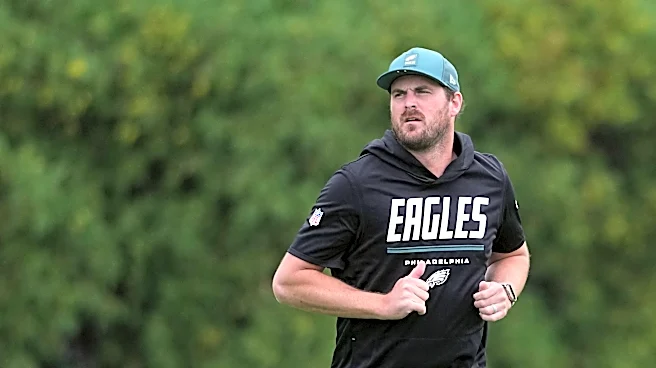
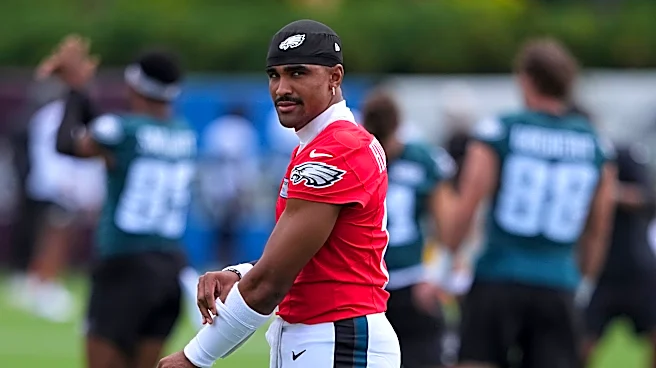
The Philadelphia Eagles aren't going to abandon their offensive-line philosophy or succumb to panic because of one difficult joint practice. They also shouldn't ignore what happened. For much of the summer, the expectation has been that Chris Kuper's unit would remain one of the team's greatest strengths even after significant changes to the coaching staff and interior.
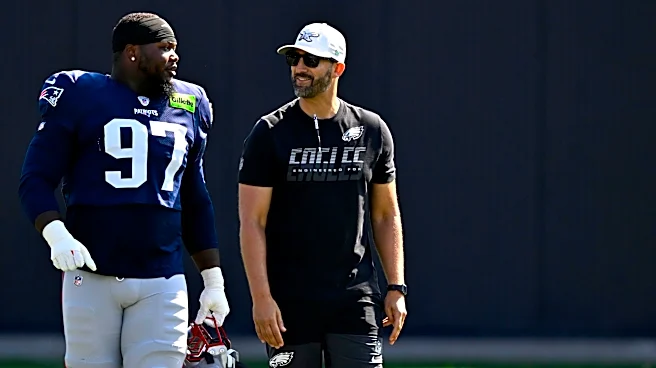
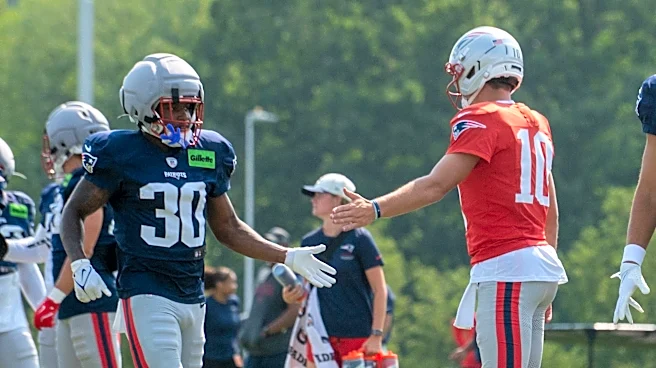
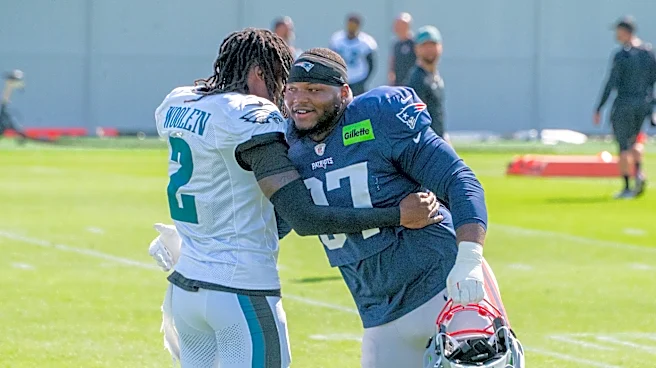
Thursday's workout session against the New England Patriots provided a reminder that maintaining that standard may require some work. Day 2 was more physical, and Jalen Hurts and the starting offense performed better than on Wednesday. Still, those in attendance, particularly Jeff McLane, reported that the Patriots consistently made life difficult for the Eagles' ground game more often
thandesired.
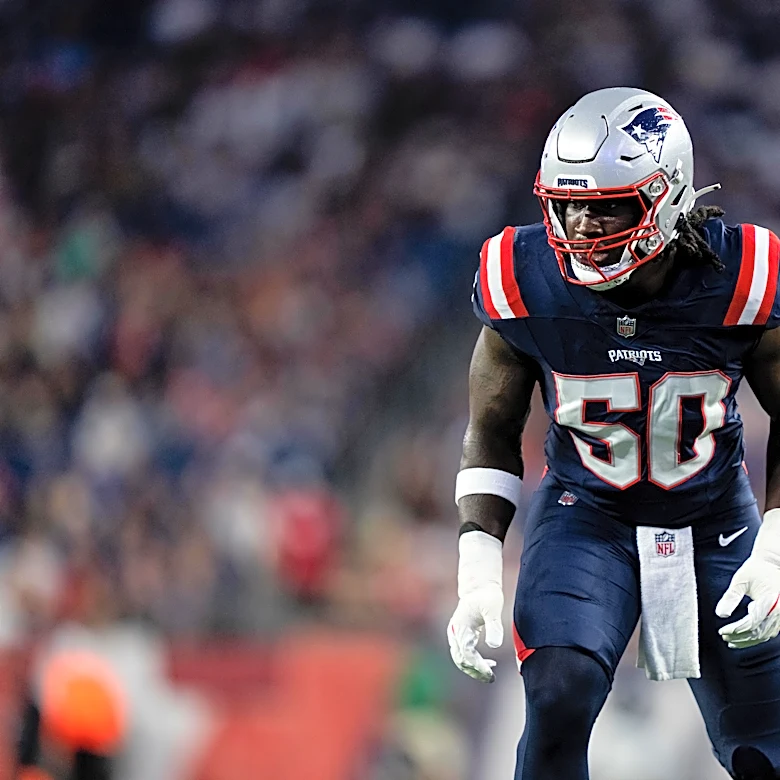
Saquon Barkley had few clean lanes, but outside-zone concepts struggled to develop, and the second-team backs encountered many of the same problems. New England also generated enough penetration to disrupt plays before they could develop, forcing Philadelphia's offense to search for answers rather than dictate terms.
The Eagles eye another opportunity in a second preseason game
Most of what is witnessed during an August training camp practice won't be a warning sign for the regular season. These are controlled environments, and New England's defense was clearly committed to playing with an aggressive edge.
Practices, however, also provide lessons. The Eagles have spent the offseason asking several younger players to step into larger roles, and these moments can't be swept under the rug either. They are the early signs of how that's going.
The Eagles' offensive identity has traditionally started with the ability to run the football effectively. Barkley doesn't need every carry to produce a big gain, but Philadelphia needs its offensive line to create enough movement to keep defenses from dictating the terms of the game.
That didn't happen consistently Thursday. Barkley was reportedly met quickly on multiple attempts, while Tank Bigsby and Will Shipley, who had more success during the first joint practice, also struggled to find room. New England's front created penetration and forced Philadelphia's backs to make plays before they could get into the second level.
Saquon Barkley spoke with the media afterward. He and Jordan Mailata said afterward that the repeated fights and disruptions affected the flow and rhythm. Truth be told, that may have been part of the explanation, but it doesn't account for everything the Eagles saw.
The Patriots were also winning enough individual battles up front to make the running lanes disappear. That makes Saturday's preseason game more useful than it might otherwise appear. The Eagles aren't looking for perfection. They are looking for a response. In short, their transition is being tested.
Philadelphia's decision to lean on internal offensive-line development has been one of the more important roster-building decisions of the offseason. Rather than aggressively pursuing veteran reinforcements, the Eagles have given younger players opportunities to establish themselves and trusted the coaching staff to develop them.
That approach has produced encouraging moments throughout camp. It has also created legitimate questions about whether the group can maintain its previous level of dominance while adjusting to a new coaching structure and different combinations along the interior. A rough practice doesn't invalidate the strategy. In fact, this is exactly why these joint sessions matter.
The Eagles get an opportunity to discover where their developmental bets still need work before those weaknesses become regular-season problems. Saturday offers the next test, but the objective isn't simply to see whether Barkley can find more running room. It's to determine whether the offensive line can once again dictate how the game is played rather than allow the opposing front to dictate it.
That's the standard Philadelphia has established up front, and it's a standard that doesn't disappear because of one rough practice. But as the Eagles transition to Chris Kuper and continue turning to younger players along the interior, every difficult afternoon becomes another piece of evidence. Saturday won't settle whether the Eagles made the right bets up front. It can, however, provide an early indication of whether those bets are beginning to pay off.
This article originally appeared on Eagles Wire: Eagles run game needs bounce-back effort against New England