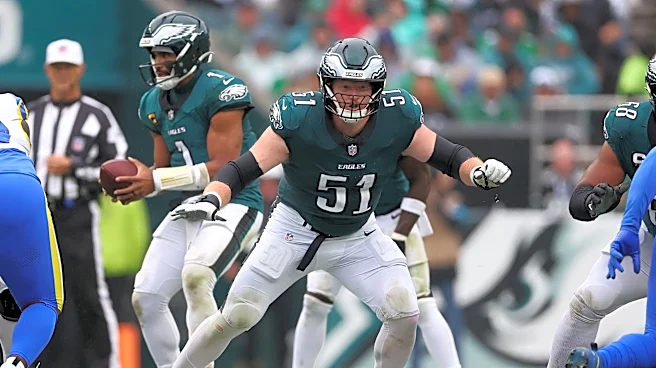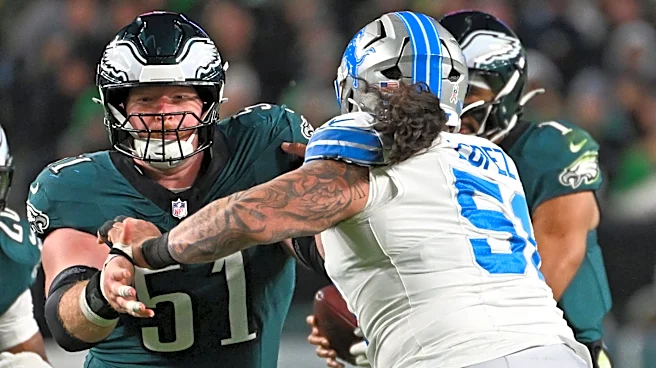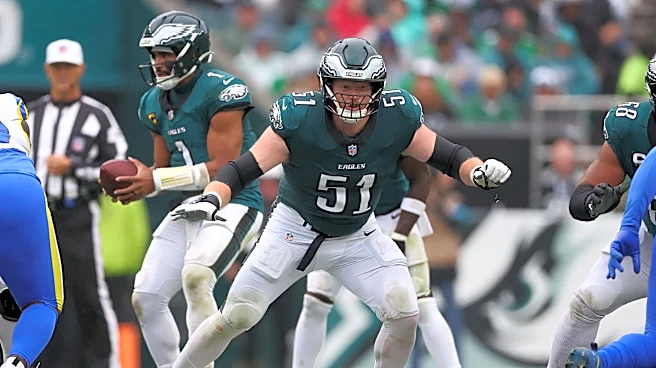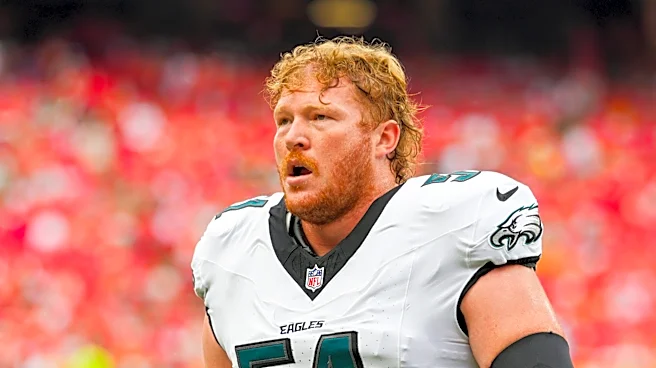

The Philadelphia Eagles are reshaping their roster, and trading Cam Jurgens one day after Lane Johnson retiredis the clearest indication yet that their priorities extend beyond this season.
Philadelphia is sending Jurgens and a 2027 seventh-round pick to Baltimore for a 2027 fifth-round selection and a 2028 second-round pick, according to ESPN’s Adam Schefter. The deal follows Johnson’s retirement Tuesday, leaving the Eagles with two significant departures along their offensive line in as many days.
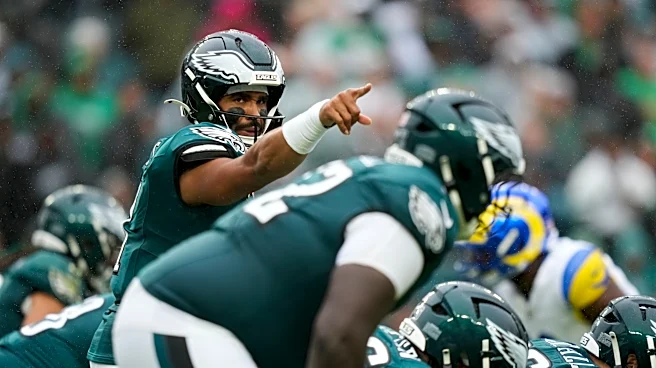
The moves suggest a mini-rebuild built around a core that still includes Jalen Hurts, Jordan Mailata, DeVonta Smith, Jalen Carter, Quinyon Mitchell and Cooper DeJean. Philadelphia has foundational players at several premium positions. The challenge
is rebuilding the supporting cast while keeping that group in a position to compete.
The timing and compensation explain the direction. A second-round selection in 2028 offers no immediate help protecting Hurts or opening running lanes. It gives general manager Howie Roseman an opportunity to add an inexpensive starter later, move around the draft, or pursue another trade. Philadelphia is accepting a significant short-term personnel loss for options that could strengthen future rosters.
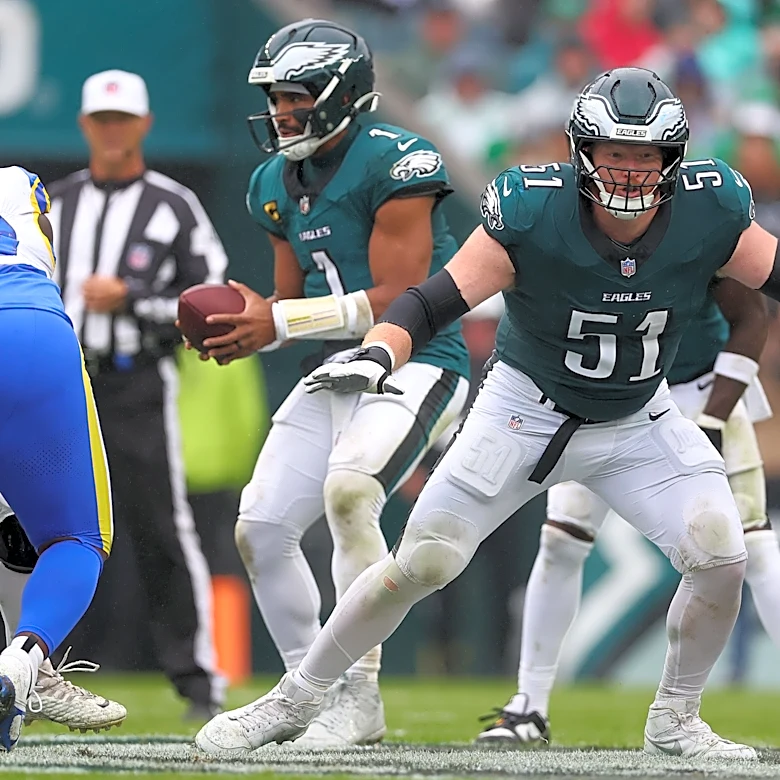
Jurgens’ departure also shows that this process involves more than replacing aging veterans. He is 27, earned two Pro Bowl selections, and was under contract through 2029. The Eagles had already moved him to left guard this season, with Drew Kendall taking over at center. Trading him creates another opening on a line already adjusting to Johnson’s exit. That makes the next stage particularly consequential for Hurts. Younger starters need opportunities to develop, but Philadelphia must still provide enough protection for its quarterback and enough stability for the offense to function. Draft capital becomes less valuable if the Eagles spend the intervening seasons unable to support their established stars.
The financial goal should be similar: create room to maintain the core while developing less expensive contributors around it. That does not mean the trade produces immediate cap relief equal to Jurgens’ remaining contract. Future obligations and the accounting attached to money already paid must be considered separately.
The deal should also change how Philadelphia approaches the trade deadline. Acquiring a younger player who can contribute beyond this season would fit the emerging direction. Paying a premium for a short-term replacement would require a stronger case.
The Eagles still have reasons to pursue wins now. But the Jurgens trade signals a willingness to absorb growing pains while rebuilding depth, adding draft resources, and deciding which younger players belong alongside their established core.
This article originally appeared on Eagles Wire: Are the Eagles rebuilding after trading Cam Jurgens?