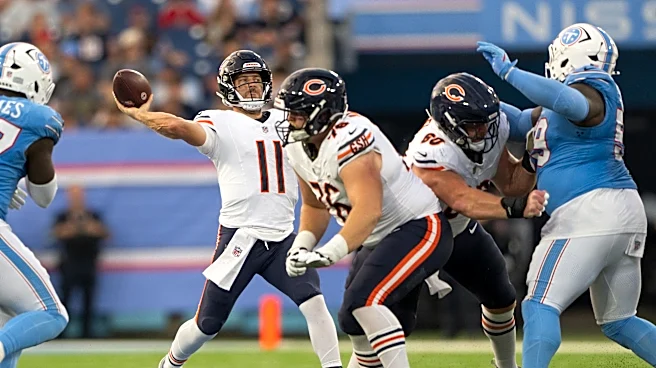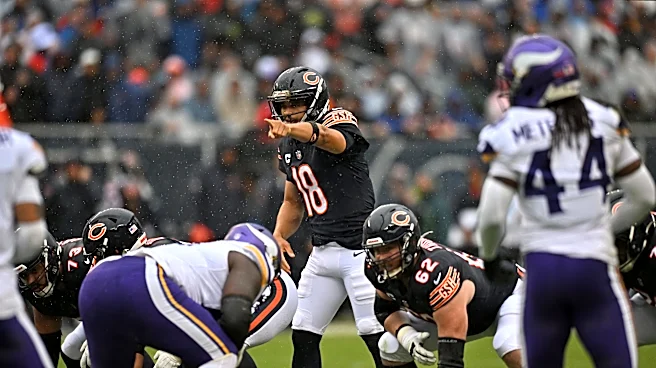



The Eagles are 2-0, but the numbers suggest Monday night in Chicago will test an area Philadelphia has yet to settle: its ground game.
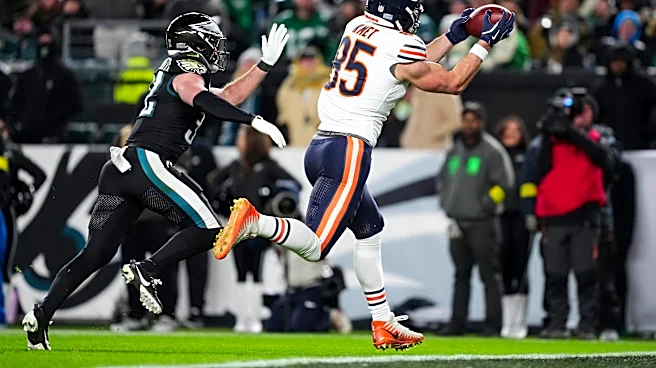
Through two weeks, the Bears average 212.5 rushing yards, first in the NFL, and 6.1 yards per carry. Philadelphia averages 112.5 rushing yards and 4.0 per attempt. Chicago has the clear advantage in overall production, while the Eagles have an opportunity against a defense allowing 4.9 yards per carry. Saquon Barkley’s health and Philadelphia’s reconfigured offensive line could determine whether they capitalize.
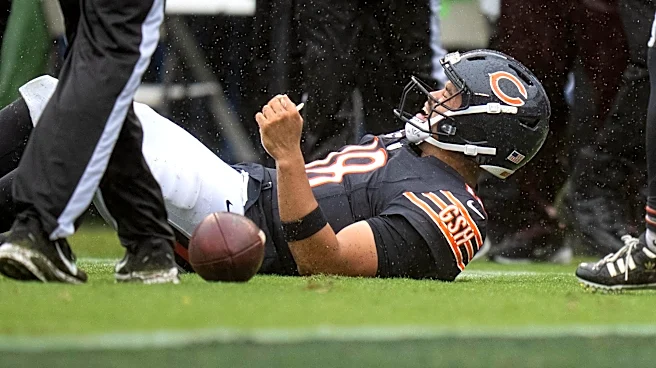
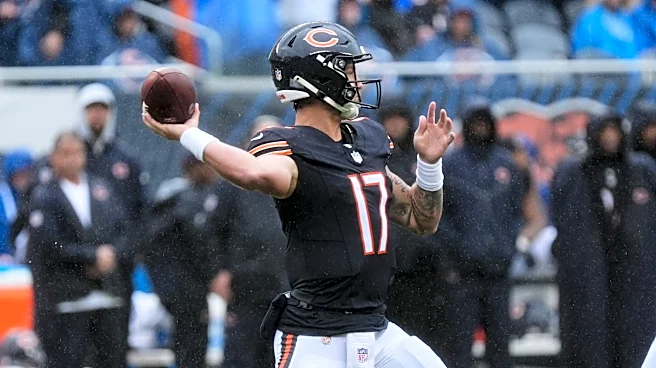
Chicago’s 424.5 yards and 31 points per game are eye-catching, but its 59-point opener carries considerable weight in a two-game average. The Bears scored three points against Minnesota in Week 2, and Caleb
Williams’ hamstring injury has left their quarterback plans unsettled. The Eagles must prepare for Ben Johnson’s offense while recognizing that its early production may look different with another quarterback.
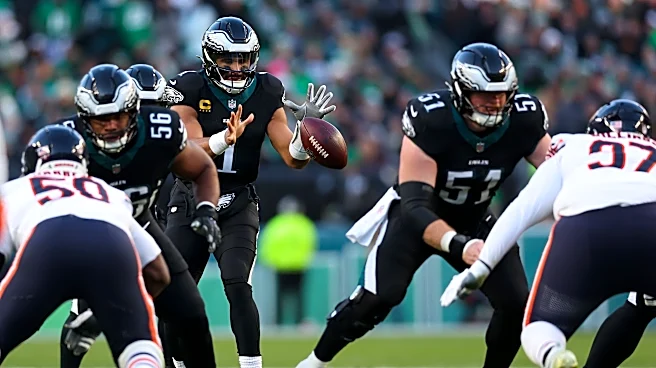
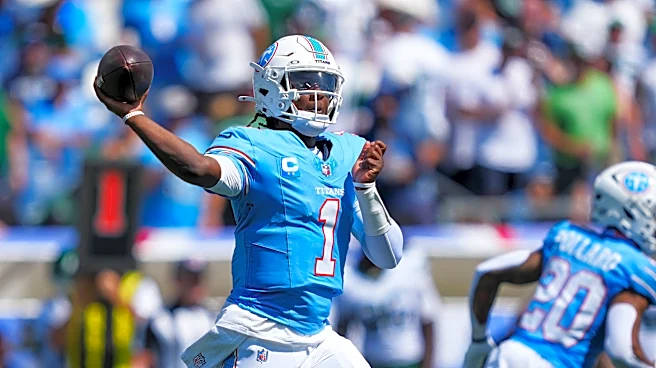
Philadelphia’s strongest defensive advantage is against the pass. The Eagles have allowed 166 passing yards per game, compared with Chicago’s 240. That gives Jalen Hurts and the Eagles’ receivers a potential opening, provided they protect him against a Bears defense with five sacks. Philadelphia has allowed six sacks itself.
Third downs could keep this close even if Chicago moves the ball. The Eagles have converted 53.1% of their chances, narrowly ahead of the Bears’ 51.7%. Chicago’s defense, however, has allowed conversions on only 31.8% of opponents’ third downs. Hurts cannot count on rescuing stalled early-down plays throughout the night.
The matchup: Chicago’s rushing production is the largest offensive gap. Philadelphia’s pass defense and the Bears’ vulnerability against the run give the Eagles ways to counter it. The team that wins early downs should have the better chance to control Monday night.
This article originally appeared on Eagles Wire: How the Eagles and Bears compare statistically entering MNF in Week 3