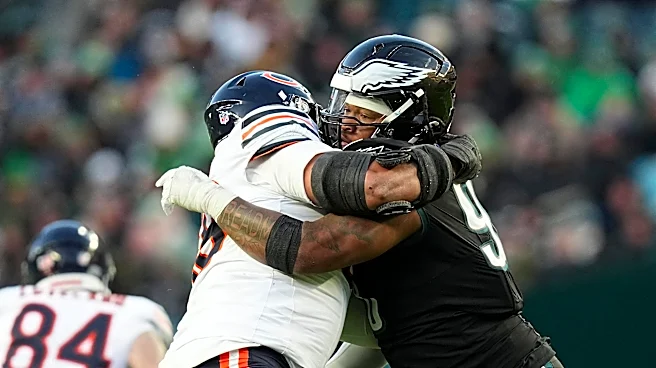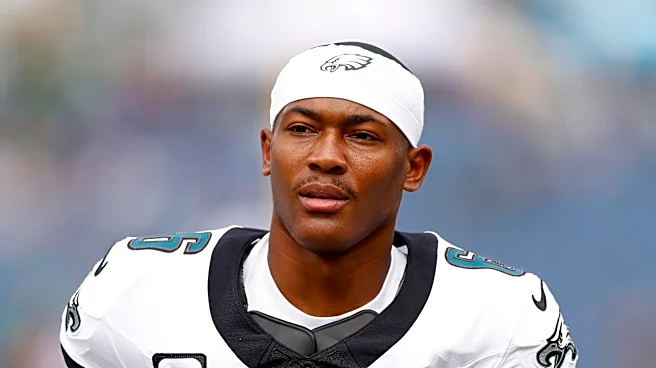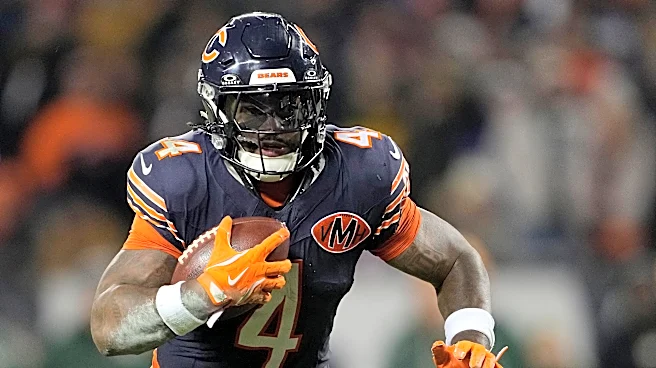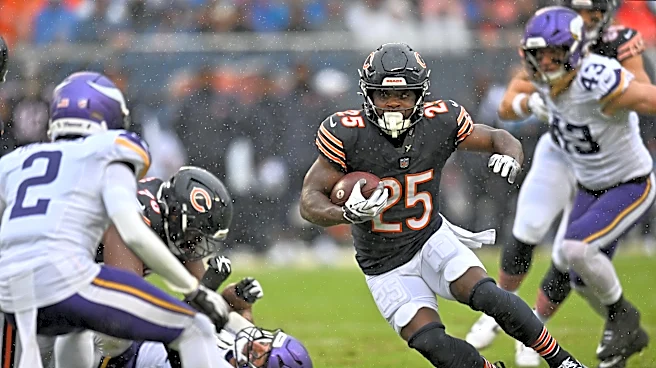


Philadelphia and Chicago are scheduled for a Monday night matchup that has lost some of its luster following the Caleb Williams injury news. The Bears have shown two very different offenses in two games. They scored 59 points against Carolina, then managed three against Minnesota. For the Eagles, a useful scouting report lies beneath those scores: Chicago can run the ball at an explosive rate, but its quarterback availability and depth could change how it attacks Monday night.
Chicago’s biggest strengths
The rushing attack comes first. The Bears average 212.5 rushing yards per game and 6.1 yards per carry. D’Andre Swift has 169 yards and three touchdowns, Kyle Monangai has 147 yards, and Caleb Williams has contributed 107 yards on the ground. Philadelphia cannot assume
stopping one back will stop the offense. Monangai and Williams were both listed as not practicing Thursday, making their status important to the game plan.
Chicago has several ways to catch up if forced to throw. Kalif Raymond leads the team with 13 receptions. Luther Burden III has eight, while Rome Odunze averages 19 yards on five catches. The Eagles need to prevent short completions from extending drives while keeping Odunze downfield.
Its defense can end a drive with one play. The Bears have five sacks and an interception through two games. Montez Sweat draws attention up front, and Jaylon Johnson gives Chicago experience in coverage. Philadelphia’s protection and ball security will matter even against a defense that has surrendered substantial yardage.
Where the Eagles can attack
Chicago has allowed 362 yards per game, including 240 through the air. It has also surrendered 4.9 yards per rushing attempt. That gives an Eagles offense seeking more consistency on the ground a plausible opening, provided Saquon Barkley is available, and Philadelphia blocks better than it has so far.
Quarterback is the other variable. Williams was listed as not practicing with a hamstring injury, while Tyson Bagent was listed as not practicing in concussion protocol. If Case Keenum starts, Chicago still has Johnson’s playbook and its running backs, but the Eagles would be preparing for a different quarterback style.
The matchup comes down to whether Philadelphia can make Chicago earn its rushing yards while finding steadier gains against the Bears’ defense. The Week 1 and Week 2 scores show why neither team should assume it already knows which version of Chicago will appear.
This article originally appeared on Eagles Wire: Bears scouting report: Strengths and weaknesses Eagles can exploit