


Every NFL franchise eventually faces the same dilemma. A homegrown star develops into one of the league's best players. That, in turn, births conversations about a lucrative second contract. Few teams know more about difficult salary cap decisions than the Philadelphia Eagles.
Some teams respond by overspending to keep everyone together. Others watch key contributors leave and scramble to replace them. Howie Roseman and his staff have adopted a different approach.
Rather than reacting to expensive departures, Howie Roseman has built a roster with the expectation that they will happen. That's why the Eagles continue drafting premium talent even when there doesn't appear to be an immediate need. More often than not, they're preparing for tomorrow's
roster before today's begins to change. It's a philosophy that has helped keep Philadelphia among the NFL's perennial contenders.
The Eagles don't wait for openings to appear.
To outside observers, some of Philadelphia's draft selections have initially seemed puzzling. Why invest another premium pick on the defensive line when the position already appears loaded? Why draft a defensive back early with established veterans still in place? Why select an offensive lineman who may not start immediately?
The Eagles aren't drafting solely for the upcoming season. They're drafting for the seasons that follow.
Cam Jurgens spent time learning behind Jason Kelcebefore taking over one of football's most demanding positions. Jalen Carter arrivedwhile Fletcher Cox was still anchoring the defensive line, allowing the organization to transition naturally as one franchise cornerstone gave way to another.
The same philosophy has continued across the roster. Philadelphia's willingness to develop players before they're needed has become one of its greatest organizational strengths.
Talent development is part of the Eagles' DNA
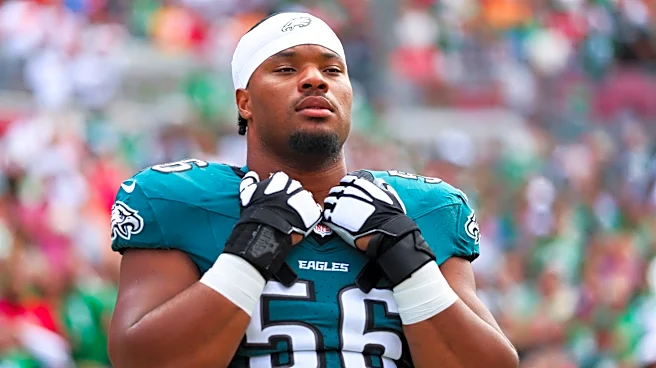
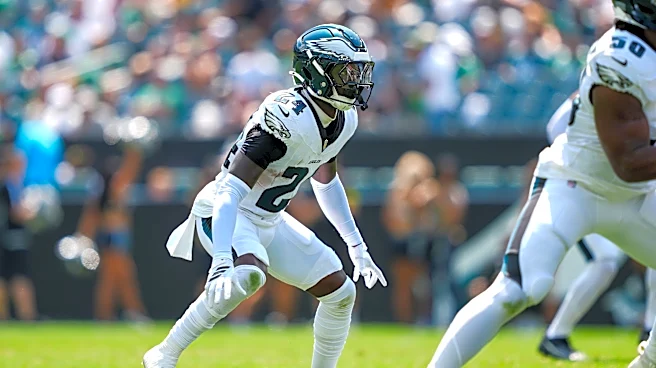
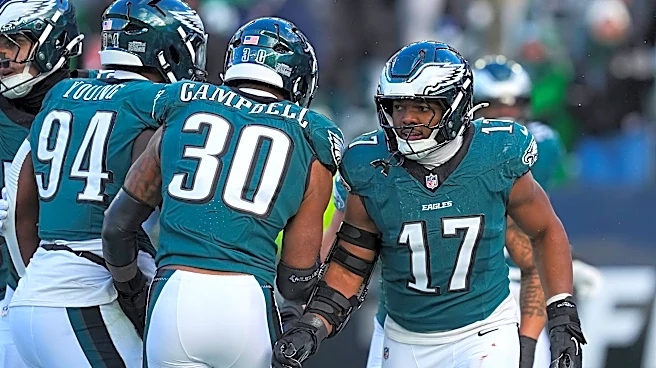
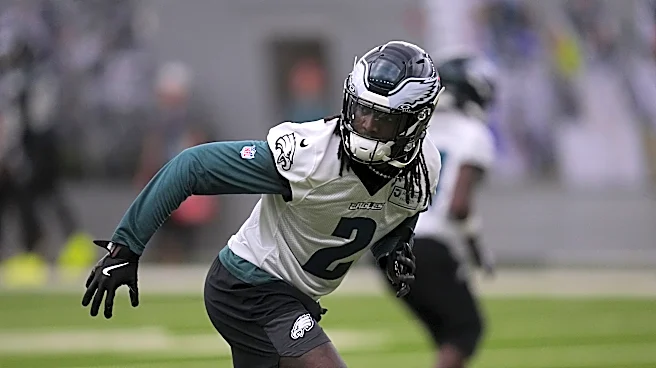
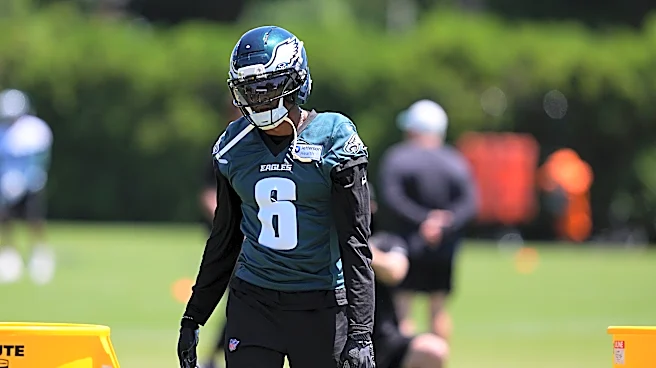
Quinyon Mitchell and Cooper DeJean helped reshape the secondary before veteran departures became long-term concerns. Moro Ojomo quietly developed into a larger role before Milton Williams departed in free agency. In 2025, the Eagles again invested premium draft capital in Jihaad Campbell and Andrew Mukuba, perhaps with free agency looming for Nakobe Dean and Reed Blankenship.
That reinforced positions that may require greater responsibility in the near future. Those moves weren't simply about adding talent. They were about protecting the future.
By allowing young players to learn within the system before they're thrust into full-time roles, the Eagles reduce the pressure that often accompanies major roster turnover. Experience is gained before expectations dramatically increase.
The Eagles make difficult decisions seem easier.
No organization can keep every star. The Eagles understand that better than most. Every offseason brings tough financial decisions, and Philadelphia has watched respected veterans depart throughout its recent run of success.
Yet the roster rarely requires a complete reset because replacements have often been developing behind the scenes for months, or even years. That long-term thinking has become one of Roseman's defining traits.
Instead of using free agency to patch unexpected holes, the Eagles frequently enter those moments with internal options already prepared to compete for larger roles. Planning has become Philadelphia's competitive advantage.
Championship windows don't stay open by accident. They stay open because organizations anticipate change before it's unavoidable. The Eagles have built one of the NFL's deepest rosters by accepting that success comes with difficult departures. Rather than resisting that reality, they've embraced it, consistently investing in the next wave of talent while the current one is still producing at a high level.
That approach doesn't eliminate hard decisions. It simply makes them more manageable. As today's young stars eventually earn the lucrative contracts they've worked toward, Philadelphia will once again face difficult choices.
History suggests, however, that Roseman has already started preparing for those moments. That's why the Eagles continue replacing expensive stars without losing sight of the ultimate goal: remaining a championship contender year after year.
This article originally appeared on Eagles Wire: Howie Roseman’s roster-building philosophy keeps Eagles ahead of rivals