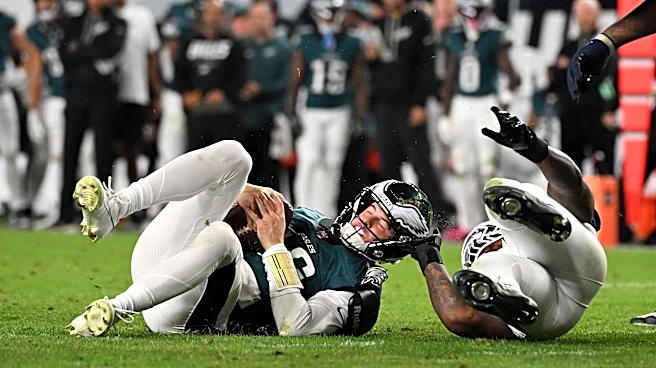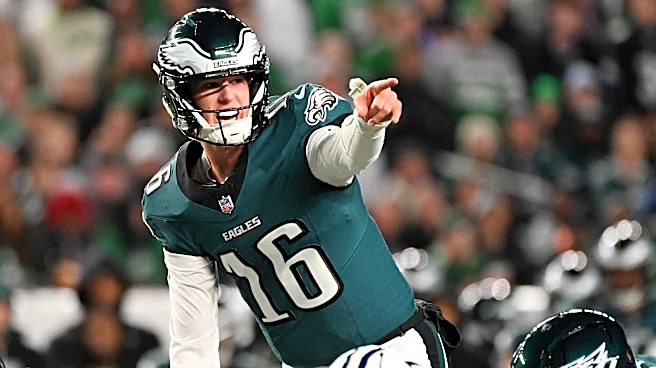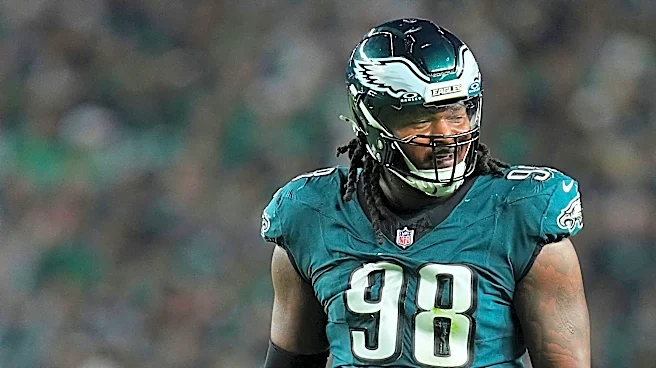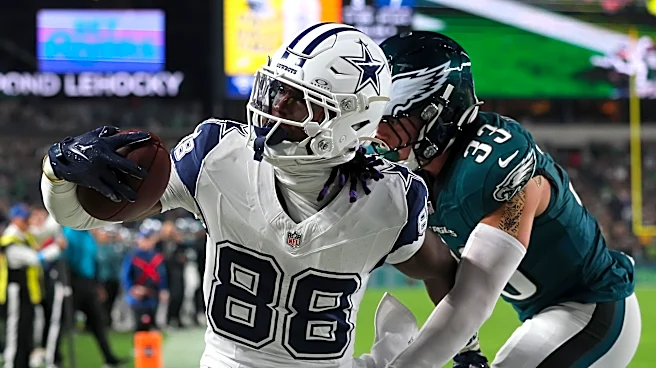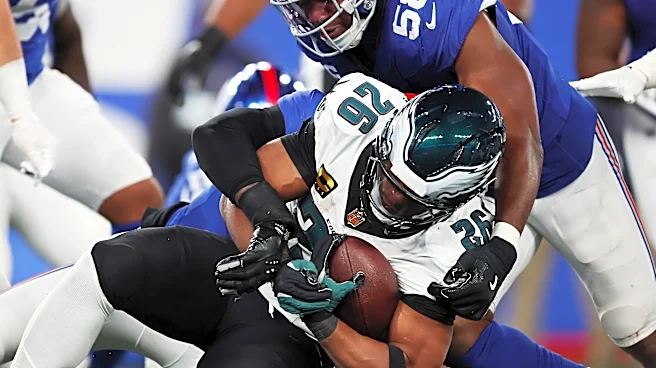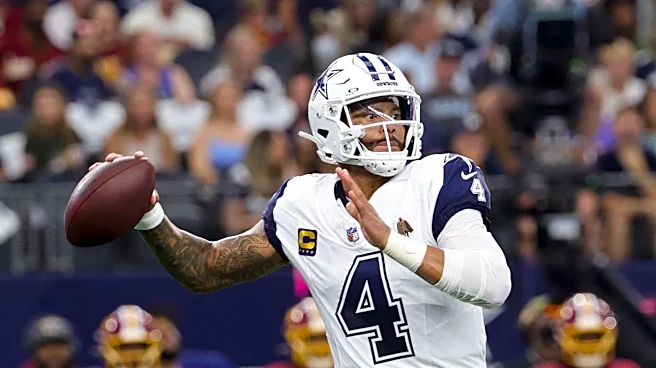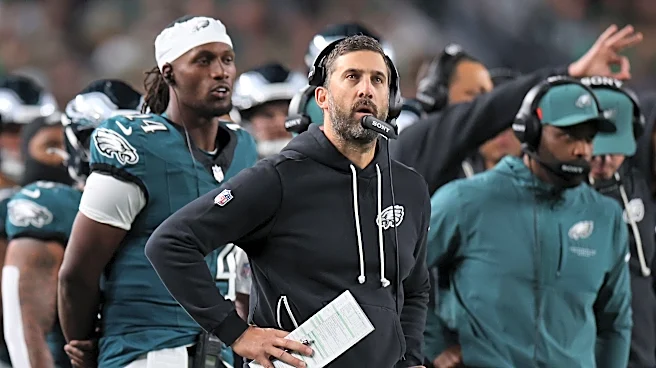


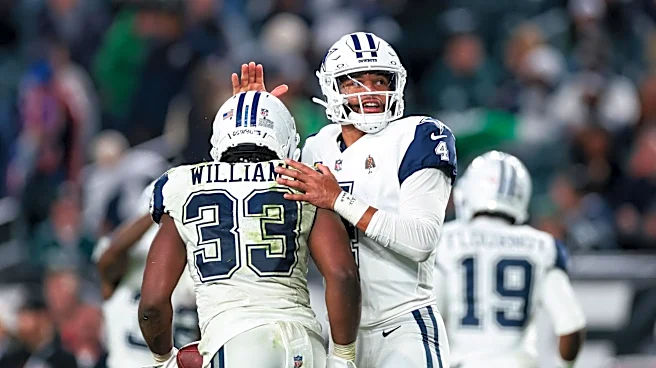

For much of the Philadelphia Eagles' five-game losing streak, the offense has struggled to establish a rhythm. That has left the team searching for an identity, and Monday night's loss to the Dallas Cowboysdidn't solve most of the more obvious problems. There is some good news. Week 7 offered a clearer picture of what the offense can look like when its pieces work together. Philadelphia scored touchdowns on its first two possessions for the first time this season.
Then, they opened the second half with a 17-play, 84-yard drive that consumed 9:16. The Eagles ultimately fell short, but the extended possessions gave head coach Nick Sirianni a tangible example of the approach the team has been trying to establish under offensive coordinator Sean
Mannion.
Staying ahead of the sticks changed the offense. Sirianni spoke to the media following the loss. He pointed to efficiency on the ground as a key factor in Philadelphia's early success. When the Eagles established the run and avoided difficult down-and-distance situations, they could use more of the play-action concepts and tempo calls they wanted to incorporate into the offense.
“I think when you’re able to be efficient in the run game and set yourself up on third down, we felt like we were able to kind of run some of the things, what we wanted to do coming into the game and coming into the season where we keep run, play action, stuff like that. We were able to get some tempo calls going into it. I think you just got to see a variety of things that we want to do because we weren’t behind the sticks and we have to keep up with that script.”
The significance is in how those elements complement one another. Productive runs can create manageable third downs, while staying on schedule gives the offense more opportunities to use play-action and keep the defense guessing. Philadelphia showed flashes of that balance against the Cowboys, rather than relying on isolated passing plays to move the chains.
Red-zone execution gave the Eagles something to build on. Philadelphia also converted opportunities near the goal line, including rushing touchdowns that finished drives. Sirianni acknowledged that penalties extended some possessions, but he was encouraged by the team's ability to capitalize when it reached scoring territory.
“Obviously, we did a good job finishing in the red zone. Sometimes it was because some penalties extended the drives, but also being able to run it in down there was key, was obviously good for us. But I think it was just staying in phase, being able to hit explosives in the run game and being able to convert on third down. I’m not sure what we were throughout third down. I think it was over 40%, but we still even want to do better there. But yeah, we’ve still got a lot of things to correct and work on.”
That final qualification matters. Sirianni wasn't presenting one productive night as proof that the offense had found all its answers. The Eagles still lost by 17 points, and their promising possessions didn't compensate for the defense's inability to contain Dallas. However, there's a difference between an offense searching for an identity and one beginning to show what it can execute when the circumstances are right.
The matchup against the Washington Commanders on Sunday night will offer another measure of that progress. Philadelphia doesn't need to reinvent its offense after every setback. It needs to build on the run-game efficiency, situational execution, and red-zone production that gave it a more coherent approach against Dallas. Those elements provide a more useful foundation than another sweeping promise to fix everything. For an offense that has spent weeks looking for answers, turning those flashes into a dependable identity would be a meaningful step toward giving the Eagles a chance to recover from their difficult start.
This article originally appeared on Eagles Wire: Nick Sirianni explains what finally clicked for the Eagles' offense