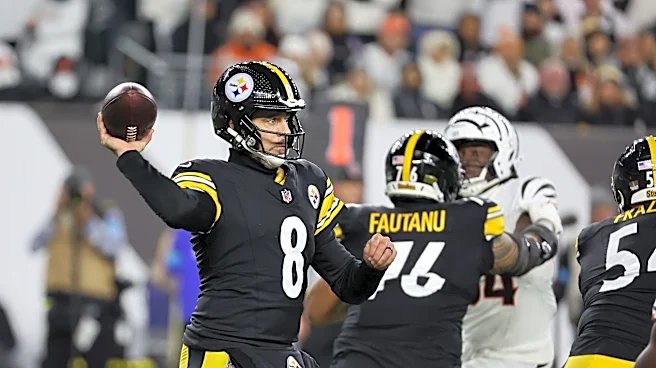

The Eagles have scored touchdowns on 16 of their 22 trips to the red zone, a 72.7% rate that ranks third in the NFL. The problem is how often they get there. Philadelphia has averaged just 2.4 trips per game and enters Sunday’s matchup with the Pittsburgh Steelers last in total offense at 260.2 yards per game.
The Eagles reached the red zone four times apiece against Tennessee and the Los Angeles Rams. They got there once against Jacksonville and once against the New York Giants. They converted both of those lone trips into touchdowns and lost both games. A high conversion rate can tell you what an offense does with a chance to score. Philadelphia has spent too much of the season trying to create the next one.
How the Eagles reached the 20
A review of Philadelphia’s first
nine games found that 11 of its 22 red-zone trips began with a completion that moved the ball to the opponent’s 20 or closer. Seven came on runs, three on defensive pass interference penalties and one began inside the 20. Eight of those drives included a gain of at least 20 yards before or on the play that got the Eagles there.
The opener against Washington showed how a single play could change a possession. Jalen Hurts hit Dontayvion Wicks for 64 yards to the 6 on one touchdown drive. Saquon Barkley broke a 42-yard run to the 12 on another. Against the Giants, Joe Milton gained 19 yards on third-and-9 before a 30-yard pass interference penalty put the ball at the 3. Barkley scored from there, and Philadelphia managed only a field goal the rest of the way.
How much did short fields help?
Four of the 22 red-zone drives started in opposing territory, and the Eagles scored touchdowns on three of them. Three of those four possessions came against the Rams, when Philadelphia started at the Los Angeles 17, 28 and 35 and came away with two touchdowns and a field goal. The other came at Washington, where the Eagles took over at the 26 after a fumble and Tanner McKee found Barkley for 24 yards on the first play.
That leaves 18 trips and 13 touchdowns on drives that started in Philadelphia territory. The Eagles can finish a drive they’ve built themselves. Against Pittsburgh, the question is whether Milton and the offense can put together enough of them. The red-zone numbers show what Philadelphia can do once it gets close. The yardage ranking shows how rarely it puts itself in that position.
This article originally appeared on Eagles Wire: How the Eagles rank last in total offense and third in the red zone