

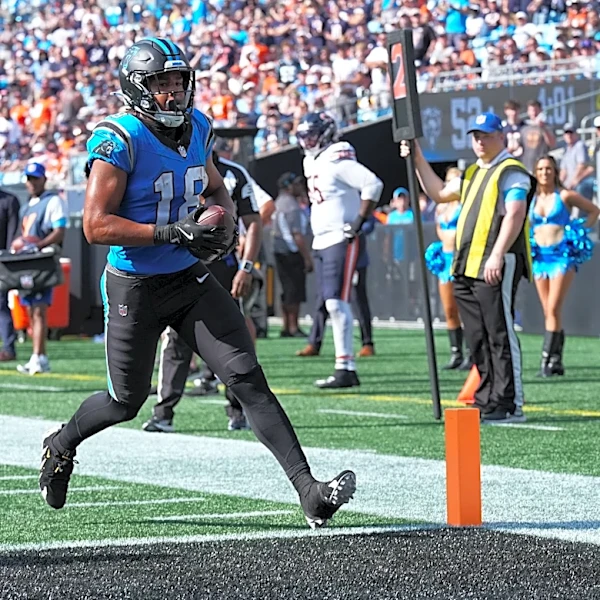


The Eagles’ aggressive approach to roster construction produced three division titles, two Super Bowl appearances, and one championship over a four-year stretch. The bill for that success is coming due. Philadelphia entered Monday with approximately $9.3 million in available cap space but more than $82 million in existing dead money, according to Over the Cap. A.J. Brown accounts for $21.8 million of that total, followed by Bryce Huff at $16.5 million, Darius Slay at $13.2 million, and James Bradberry at $7 million.
Sports Illustrated’s Albert Breer explained how Philadelphia got here. The Eagles repeatedly converted salaries into bonuses and added void years, letting Howie Roseman shift immediate cap charges into future seasons. Philadelphia spent
approximately $1.48 billion in cash from 2022 through 2026—about $212 million more than the combined salary-cap limits during that period.
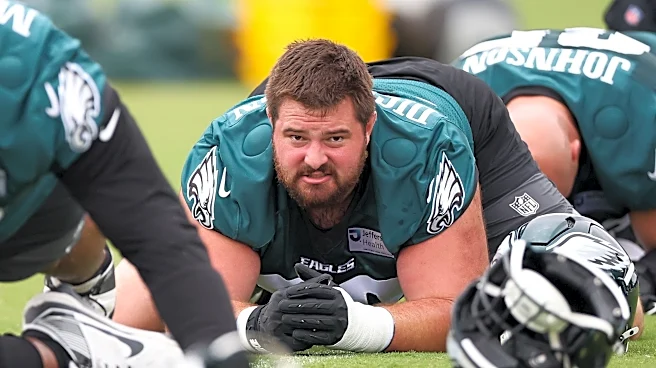
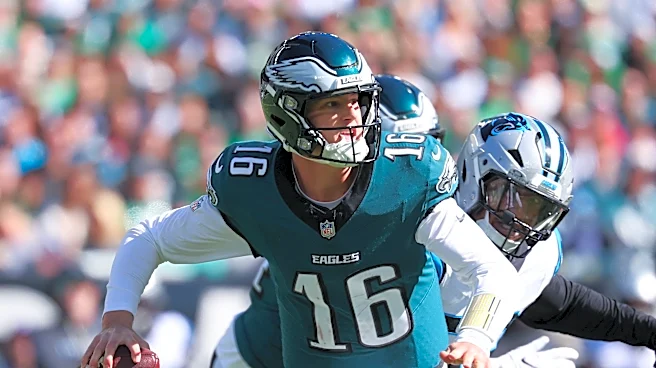
The strategy worked because the Eagles consistently competed and because the cap continued rising. It becomes more dangerous when retirement, injuries, or declining performance alter the roster faster than planned. Lane Johnson’s retirement created one immediate complication. Jalen Hurts’ health introduces a much larger long-term variable, while the trade of Cam Jurgens and Landon Dickerson’s injury history have transformed the offensive line from a foundation into an offseason priority.
Philadelphia also faces decisions on Dallas Goedert, Riq Woolen, and Hollywood Brown. Their departures would create additional dead money while opening holes at tight end, cornerback and wide receiver. The Eagles are not trapped, but their margin for error has narrowed. Roseman can continue using post-June 1 designations to spread charges over multiple seasons, although teams are limited to two such designations each year. That method delays the reckoning without eliminating it.
The cleanest solution is the same one Philadelphia used after the Carson Wentz era: draft well, become younger and rely on inexpensive contributors while absorbing the dead money. The Eagles’ cap strategy is still workable, but another wave of poor personnel decisions would make the recovery significantly more painful.
This article originally appeared on Eagles Wire: Eagles face $82 million in dead money amid roster transition