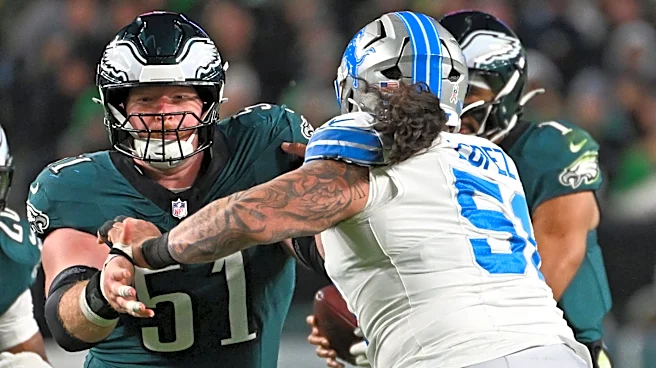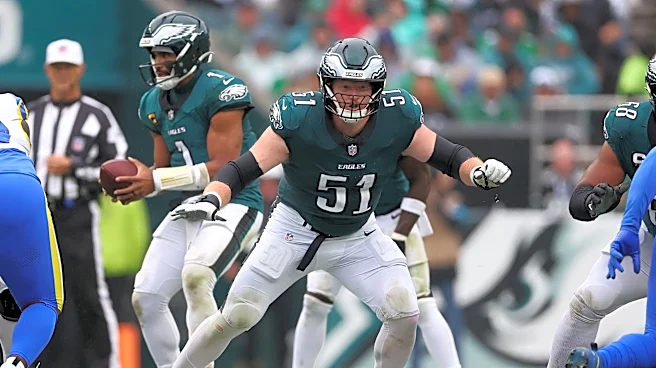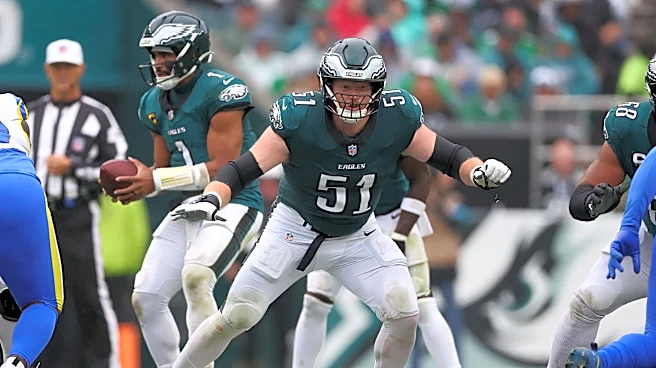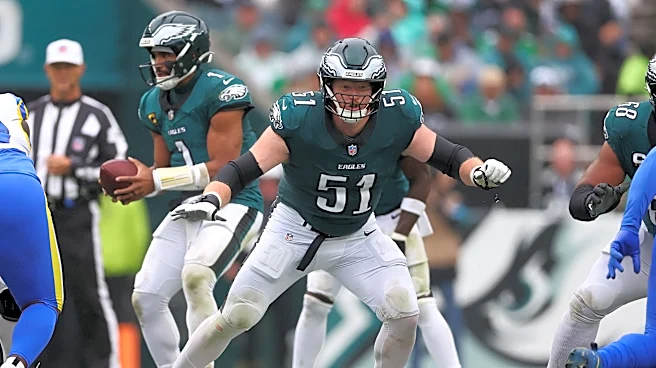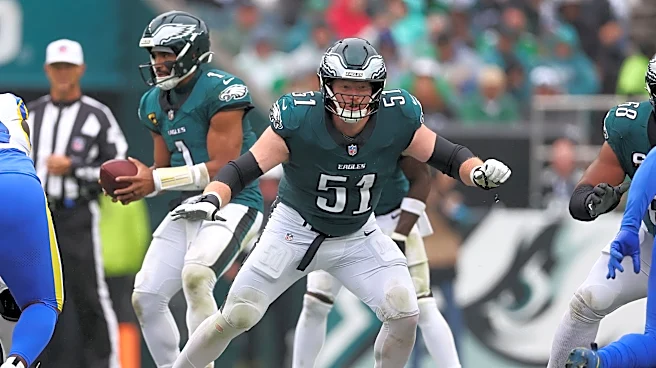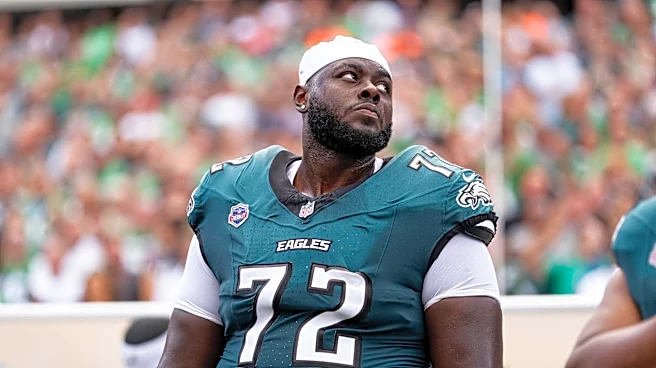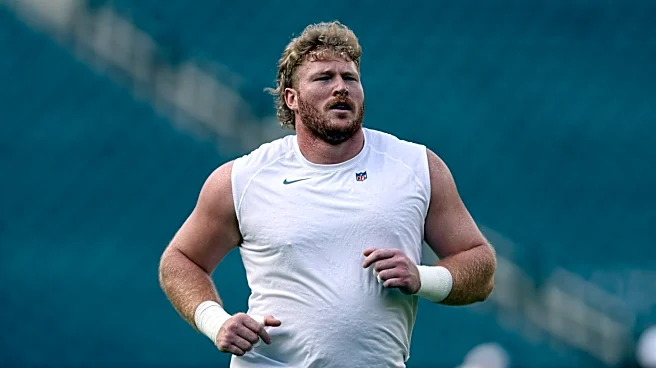


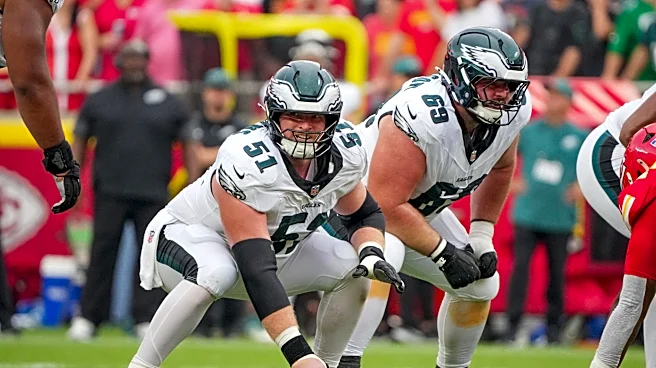
The Philadelphia Eagles added valuable draft capital Wednesday while creating another opening on an offensive line already adjusting to Lane Johnson’s retirement.
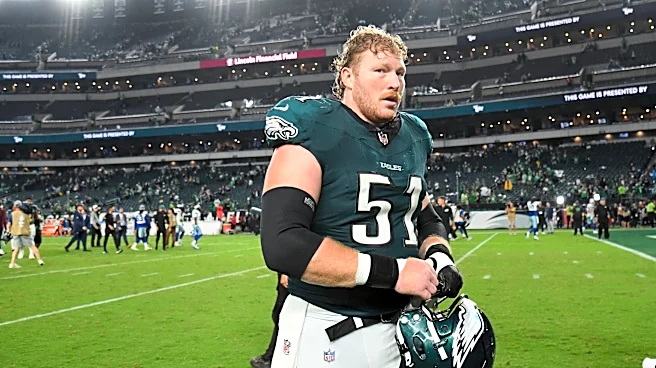
Philadelphia sent two-time Pro Bowl offensive lineman Cam Jurgens and a 2027 seventh-round pick to Baltimore for a 2027 fifth-round selection and a 2028 second-round pick, according to ESPN’s Adam Schefter. The return gives general manager Howie Roseman additional resources, but the immediate challenge is protecting Jalen Hurts with a substantially different lineup.
Here are seven takeaways from the deal.
1. Philadelphia chose future value over immediate stability
Trading an established starter for draft picks during the season represents a willingness to accept uncertainty now for potential improvement later.
Jurgens’ departure removes an experienced
option at both center and guard. Even with Philadelphia already changing his assignment, keeping him would have given the line flexibility amid multiple absences. Roseman instead secured compensation that could help replenish the roster beyond this season.
That decision suggests the Eagles are evaluating their needs over several years rather than making every move around the next game.
2. The 2028 second-round pick is the centerpiece
The second-round selection is the deal's most valuable asset for Philadelphia. The Eagles also move from the seventh round to the fifth round in the 2027 draft, but the premium pick arrives a year later.
That delay matters. Philadelphia receives no immediate replacement and must wait to learn where Baltimore’s selection falls.
The pick nevertheless creates options. Roseman can use it to draft a potential starter, package it to move up, or include it in another trade. Its eventual value will depend on how effectively Philadelphia uses it.
3. Drew Kendall gets a clearer path at center
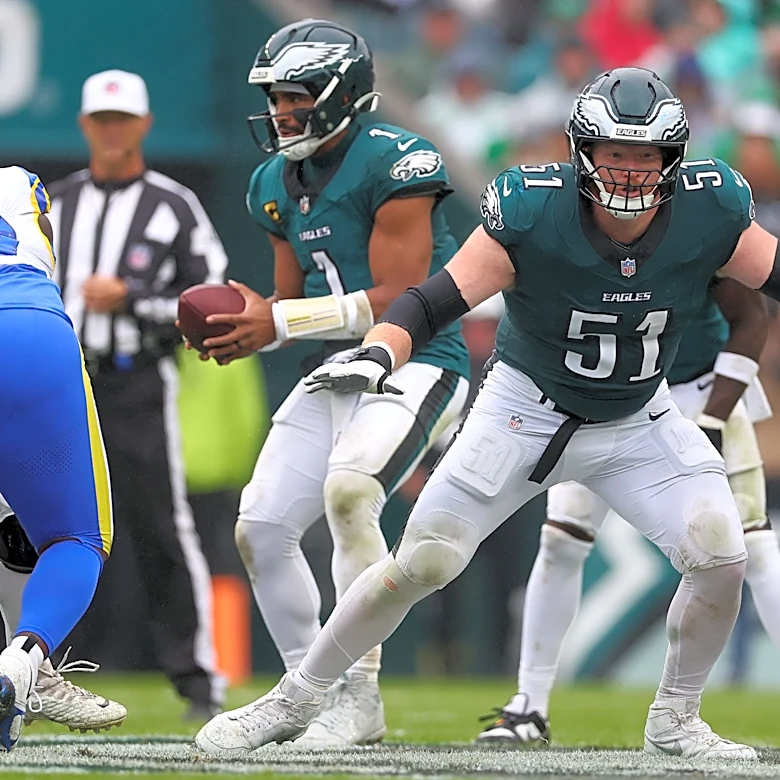
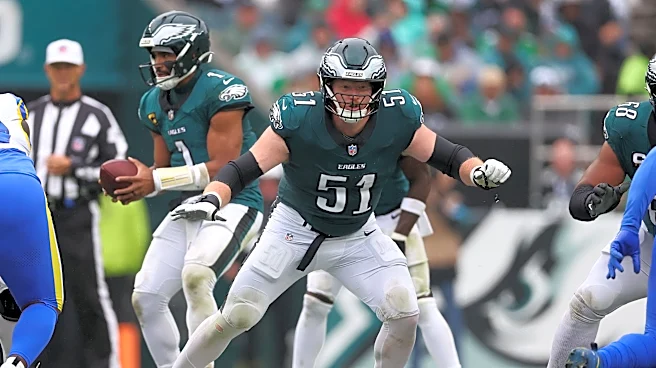
The Eagles had already moved Jurgens to left guard and installed Drew Kendall at center. Trading Jurgens strengthens Kendall’s position by removing the most experienced alternative for that assignment. The move gives Kendall a clearer opportunity to establish himself as the future at center at a much cheaper cost. Philadelphia still needs consistent snaps, protection calls, and blocking from the position.
His development now becomes a more consequential part of the Eagles’ offensive plan. They need him to provide stability while other pieces around him change.
4. Left guard is unsettled again
Jurgens’ move to left guard had been part of Philadelphia’s response to Landon Dickerson’s absence. His departure leaves the Eagles searching for another solution there. Offensive line coach Chris Kuper must determine which available combination offers the best protection and run blocking. The decision also affects continuity between the left tackle, guard, and center, with Willie Lampkin likely getting the nod over Micah Morris.
5. Two departures accelerate the transition to younger starters
Johnson retired Tuesday, and the Jurgens trade followed Wednesday. Together, those departures force Philadelphia to replace considerable experience in a short period.
Jurgens is only 27, so this is more complicated than moving on from older players. The Eagles are changing which players they expect to build around and giving less-established linemen a bigger opportunity.
That can advance development, but it also puts more responsibility on Hurts and Jordan Mailata to help an evolving offensive line function.
6. Significant dead money remains in 2027
Trading Jurgens does not erase the cap charges attached to bonuses Philadelphia already paid.
Based on Over the Cap’s listed bonus schedule and post-June 1 trade accounting, the Eagles would carry approximately $15.3 million in accelerated dead money into 2027. That projection reflects remaining bonus allocations, separate from future compensation Baltimore assumes.
The financial benefit therefore centers on avoiding future payments and obligations while accepting a substantial accounting charge next year. Philadelphia is creating longer-term flexibility, but the transition still comes with a cost.
7. Roseman may not be finished dealing
The Jurgens trade makes Philadelphia’s remaining roster decisions worth watching, but it doesn't confirm another deal is coming.
Roseman must weigh immediate needs against the opportunity to acquire younger contributors or additional draft picks. Trading another established player could deepen the transition. Adding a player under contract beyond this season could support both the current offense and the next version of the roster.
The next move will help clarify the direction. For now, Philadelphia has shown it will accept a significant personnel loss when the return fits its longer-term plans.
This article originally appeared on Eagles Wire: 7 takeaways from Eagles trading Cam Jurgens to Ravens