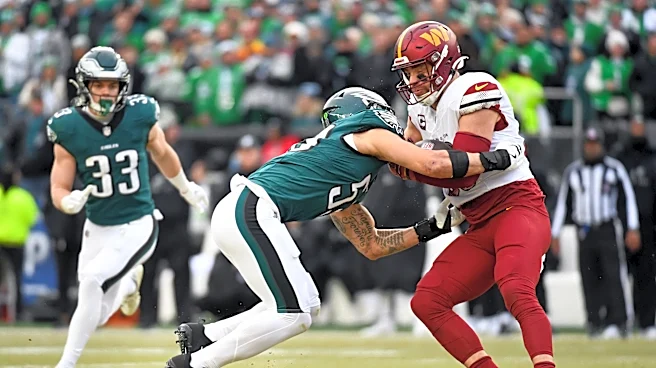



Winning tends to make problems easier to overlook. ThePhiladelphia Eagles don't have or desire that to become part of their business model. Last January's Wild Card lossreminds us how quickly dreams can die unfulfilled if the chinks in the armor go unrepaired.
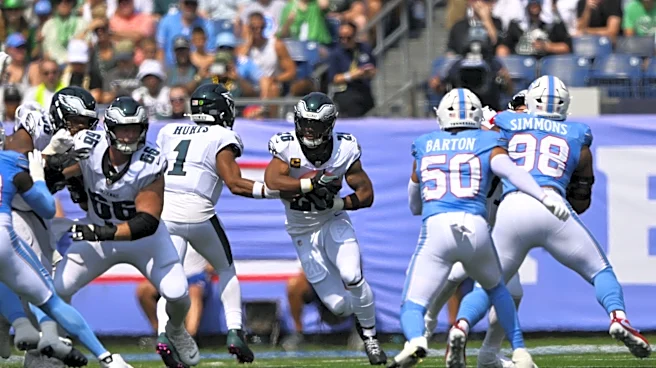
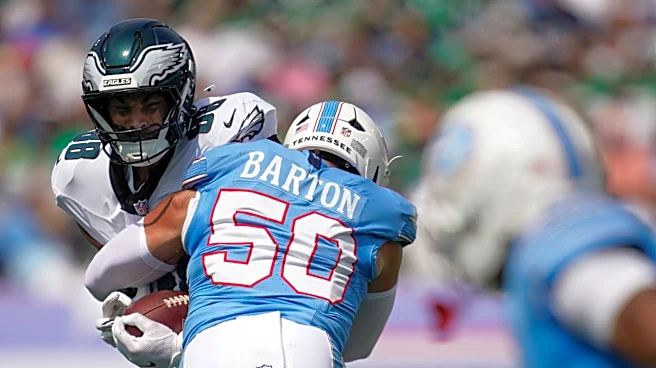
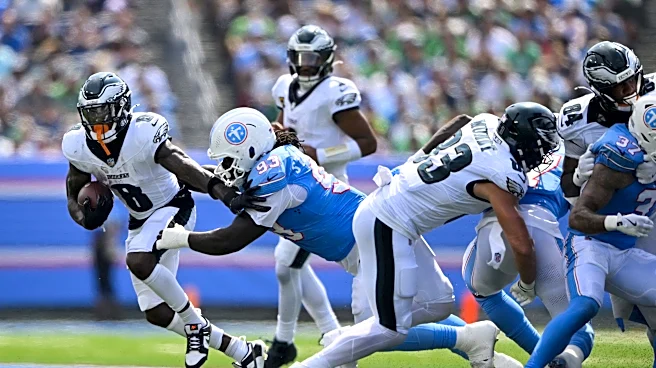
Philadelphia has opened the season 2-0, so concerns about the offense, if we aren't careful, can carry less weight than they would if the team was searching for its first victory. That doesn't mean those concerns have disappeared. One of them is particularly straightforward: Philadelphia has accumulated 18 negative plays through its first two games. That can't go ignored.
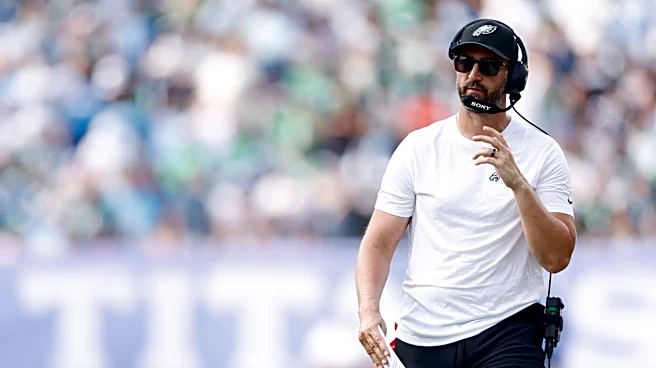
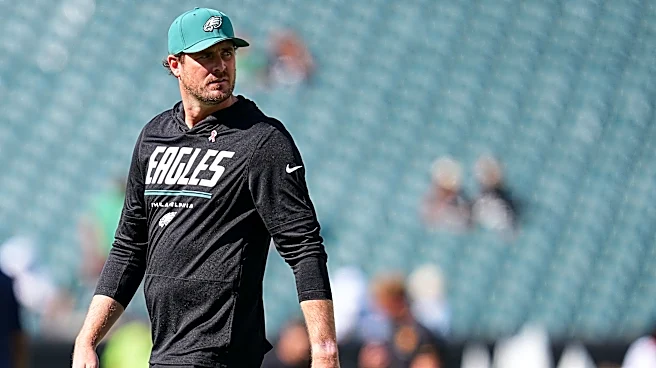
That was part of the discussion during Nick Sirianni's Monday afternoon press conference, and the Eagles' head coach
acknowledged that those setbacks are keeping the offense off schedule.
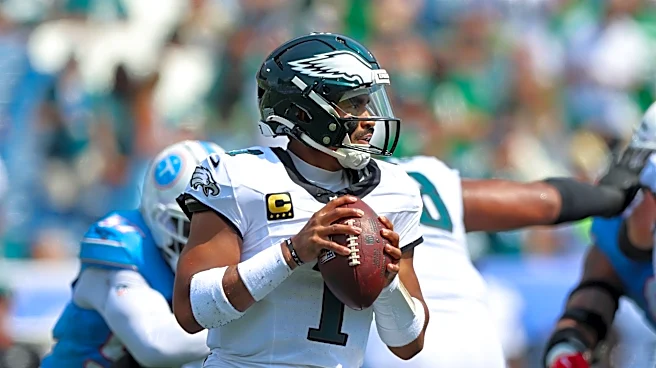
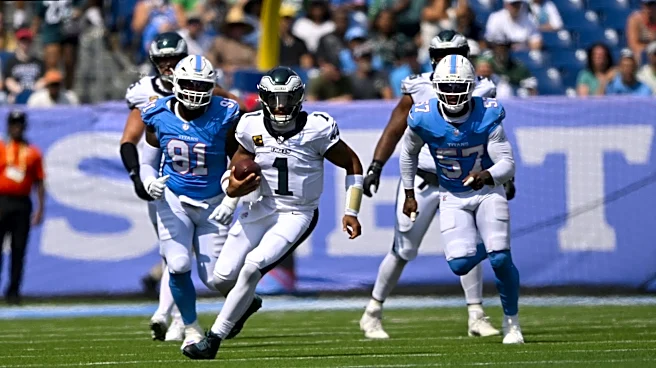
"Some of those are coming in the run game, some of those are coming off penalties, some of those are coming off of — I think we had three sacks yesterday. Two of them were right at the line of scrimmage off of a scramble. A lot of things go into it. When there’s a scramble on a play, [QB] Jalen [Hurts] can throw it away. When there’s a scramble on a play, maybe something broke down up front. When there’s a scramble on a play, maybe somebody didn’t get open, maybe Jalen saw a lane somewhere. So, there’s so many different things that attribute to it and it’s hard to say it’s just one thing. Every play, we evaluate. Every play, we look at. Every play, we have a reason why it was successful or why it wasn’t successful. We’re going through that every single time."
The interesting part is that Sirianni didn't identify one obvious culprit. Instead, he explained how many different things can produce the same result. That last part may be the most important. Philadelphia doesn't have a single negative-play problem so much as a negative-play accumulation problem.
Staying on schedule is the real issue.
A run for a loss, a sack, a penalty, a missed throw, or a stalled scramble can look completely different on film, but they all create the same basic problem: The offense has to recover ground instead of continuing to move forward. Sirianni put the significance of those plays into simple terms.
"Like I said, it’s something different, but we have to — Negative plays, you always want to stay on track. It’s hard to move the ball forward. Let’s say you get a kickoff at the 30-yard line, and you’ve got to go 70 yards. Well, it’s hard to go those 70 yards if you’re moving backwards. Regardless of if it’s a sack, a negative run, a penalty, even a drop pass that doesn’t move it forward at all, a missed throw, whatever it may be; It’s hard to go the length of the field when you’re moving backwards. That’s always going to be a point of emphasis of what we need to do."
That's football's version of common sense, but it matters. Philadelphia has enough talent to overcome some negative plays, which is part of how it has managed to win twice despite uneven stretches on offense.
The goal now is to reduce how often the Eagles have to overcome themselves. Sirianni made clear the coaching staff is examining every play to determine why it happened, but the broader answer is simple: The Eagles need to stop putting the offense in reverse. At 2-0, that's a correctable problem. The sooner Philadelphia corrects it, the easier these games should become.
This article originally appeared on Eagles Wire: Eagles must eliminate troubling offensive trend despite 2-0 start