





Golfers spend plenty of time studying words that are stenciled and carved into clubheads. Forged. Milled. Carbon. Titanium. Each word carries a message, and sometimes the message is strong enough to make a player reach for his wallet.
Callawayis betting $15 million that another word should enter that conversation: printed.
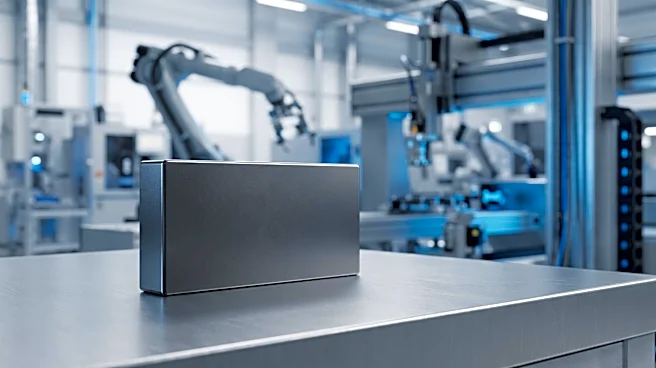
The company announced on Friday that it will establish an advanced 3D-printing facility in Fort Worth, Texas, adjacent to its North America distribution center, and it is expected to become operational in mid-2027. The facility will support a portion of Callaway’s U.S. product needs beginning in 2028, initially concentrating on custom titanium products.
To answer the obvious question first, this does not mean every Callaway driver
will soon emerge from a 3D printer in Texas. It does mean, however, that Callaway wants to give designers and engineers more control over a manufacturing technology that could change how they create golf clubs.

“We believe this technology is going to be transformative for the club category, and this investment positions us for leadership in this area,” Callaway President and CEO Chip Brewer said during the company’s third-quarter earnings call.
Even if you don’t have a degree in engineering, it’s easy to appreciate the appeal of 3D printing compared to the traditional ways golf clubs are manufactured.
Casting involves pouring red-hot liquid metal into a mold. Forging shapes metal bars under extreme pressure. Milling uses cutting tools to shave away material, producing precise shapes and surfaces. Each process has helped manufacturers build excellent equipment, but each also imposes practical limits on the shapes designers can create.
Additive manufacturing, which people who don’t have a Ph.D. in metallurgy call 3D printing, builds things by stacking layer upon layer. Metal-printing methods can use a laser or electron beam to fuse powdered metal into a structure based on a digital design.

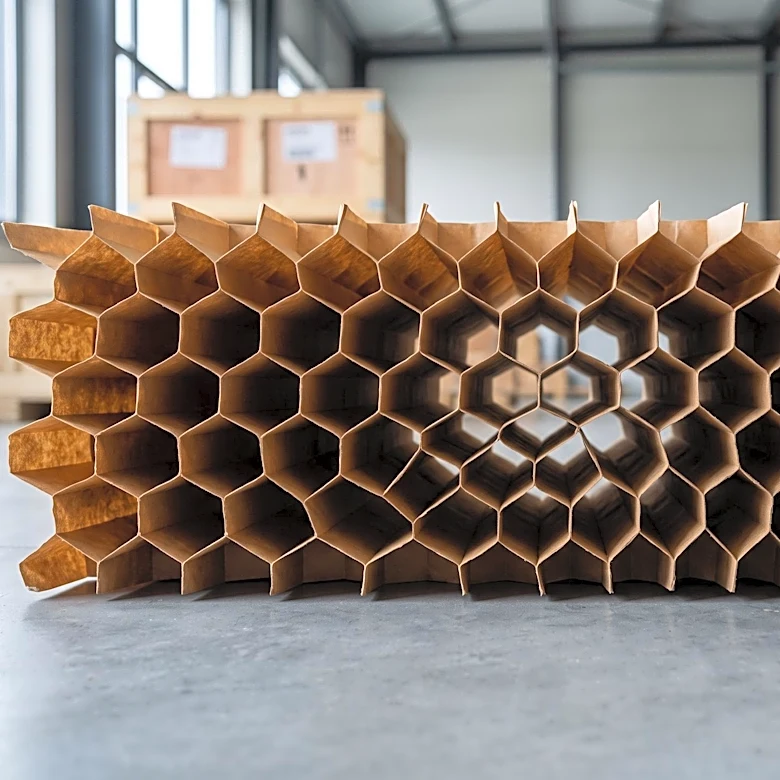
The attraction is the ability to create intricate internal structures, including lightweight lattices, that would be difficult or impossible to reproduce using other methods. Forging, for example, doesn’t allow you to create internal structures and milling requires that the machines that cut the metal away have access to the inner regions of a club. Additive manufacturing doesn’t need any of that.
For golf designers, that freedom could be valuable. Saving weight in one area creates opportunities to reposition it elsewhere, potentially changing the center of gravity, launch characteristics or resistance to twisting on mishits. Internal supports could also help engineers manage stiffness and vibration.

There is also a development advantage, too. Engineers can revise a digital design and print another version without commissioning a new casting mold or forging die for every iteration. That means R&D can work faster.
Plus, with Callaway designers based in Carlsbad, California, having dedicated domestic capacity could shorten the loop between designing, building, testing and trying again.
Callaway says it has researched additive manufacturing for approximately seven years and produced prototypes and custom models for in-house purposes since late 2022. Brewer also said a portion of its early-2027 lineup will feature the technology, ahead of the Texas facility’s production role.
The investment adds to Callaway’s existing American manufacturing commitment. The brand says it has invested more than $100 million in its golf ball operations in Chicopee, Massachusetts, over the past several years.
Plenty of golfers will enjoy wagering a $5 Nassau on the front, back and match this weekend, but Callaway is wagering that giving engineers more freedom to make what they can envision will eventually give those golfers something worth opening their wallet for.
David Dusek is a senior Golfweek writer covering golf equipment and technology.
This article originally appeared on Golfweek: Callaway bets $15 million on 3D printing’s golf club future in Texas