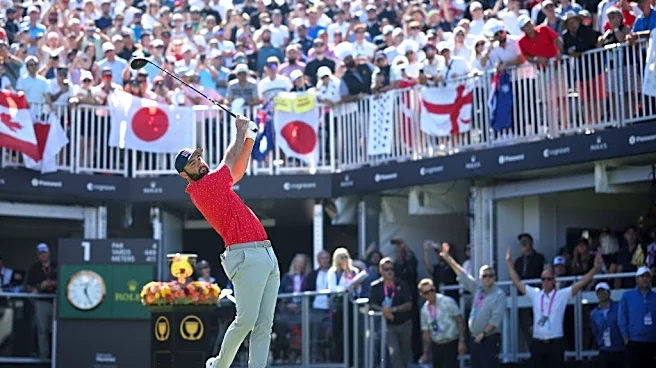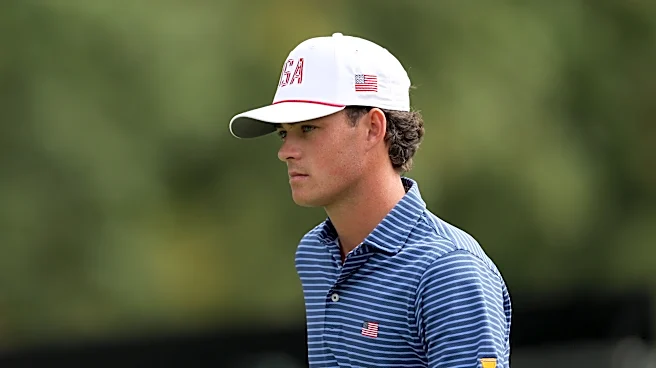

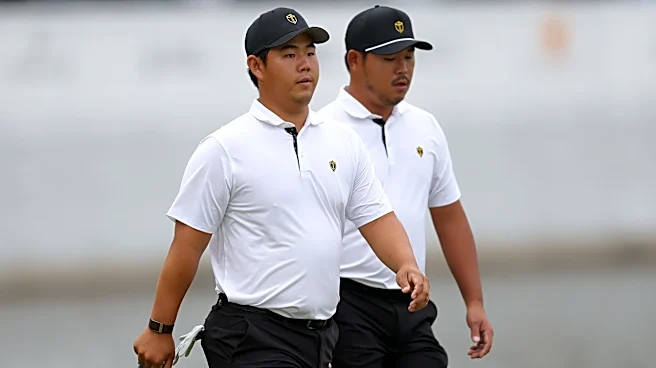

MEDINAH, IL — Wyndham Clark couldn't even tell if Collin Morikawa's shot landed on the green because nobody clapped. He rolled in putts and heard no noise.
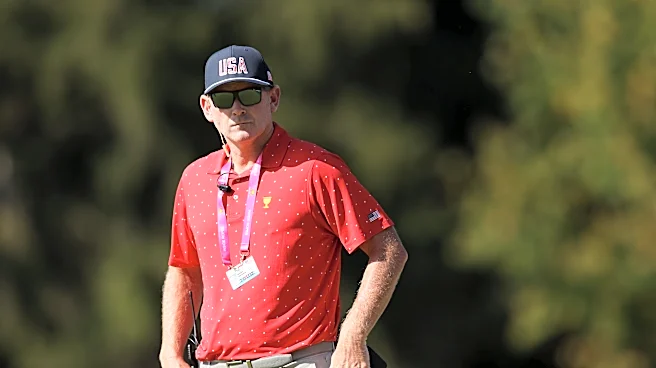
The PGA Tour's best golfers returned to the Chicago area for an event for the first time since before the COVID-19 pandemic at the 2026 Presidents Cup, and the environment was "kind of dead," Clark declared as soon as the first day was over. U.S. team captain Brandt Snedeker, after spending the days leading into golf's biennial global team event expressing his excitement about playing in Chicago again, called it "a weird day."
"I know what Chicago is built of. I know what kind of fans we've got here," said Snedeker. "They'll come out tomorrow."
The scene at Medinah Country Club this week underscores
some of the challenges the PGA Tour faces as it seeks to bring more of its events to major American markets when a revamped scheduling model debuts in 2028.
Why the PGA Tour wants more events in major markets
PGA Tour CEO Brian Rolapp initially announced the initiative in March and noted at the time the tour only currently competes in four of the top 10 media markets in the country. He specifically named New York, Chicago, Philadelphia, Boston, San Francisco and Washington, D.C., as cities being evaluated for future PGA Tour opportunities. Six months later, none have been announced as regular PGA Tour stops on its new Championship Series with a Sept. 30 deadline looming for title sponsors to put in bids.
"You've got to marry fanbase, market, sponsorship and golf course, and it's more complicated than just here's where you're going to do it," PGA Tour policy board member Bill Rhodes told USA TODAY Sports.
The executive chairman of AutoZone sits at the crux of the balancing act the PGA Tour is attempting to pull off. Rhodes is also part of the local committee that runs the FedEx St. Jude Championship in Memphis, a tournament approaching its 70th anniversary that's expected to lose its status as a marquee event when the PGA Tour's scheduling changes go into full effect in 2028.
It's unlikely to be the only longtime host relegated to the PGA Tour's new Challenger Series – which won't feature the top 75 golfers – or replaced on the schedule altogether. And yet, only one of the nine Championship Series events announced thus far is currently connected to a top-10 U.S. market (the San Francisco Bay area).
PGA Tour officials emphasized that a majority of its Championship Series schedule has not been announced, with "23 or 24" events expected on the final schedule. The PGA Tour also sees the rotating venue format for its new two-week Tour Championship as an avenue to expand to more iconic courses and major markets.
Those events, however, are likely to feature limited crowds due to the smaller footprints often associated with using the country's top golf courses, particularly those based around major cities. But the size of the crowd is less important than who's in the crowd in these markets, according to Rhodes.
"You engage more fans. Whether they're coming to the event, or they know the event's in town, you're activating them," Rhodes said. "One of our focus points at the PGA Tour is how do we lower the age demographic of our fans and being in major metropolitan areas and doing things in a different way creates a different level of excitement and activation."
Why traditional PGA Tour stops still matter
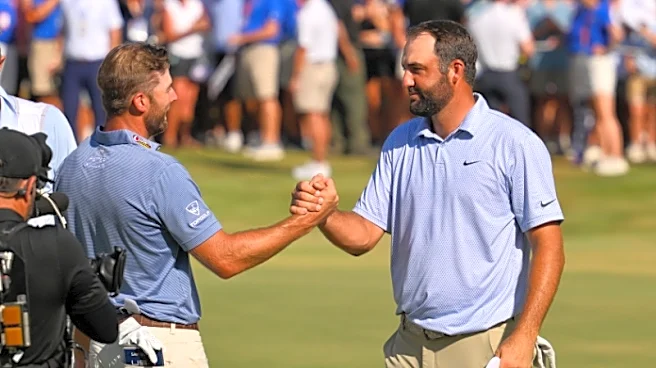
The best golfers in the world see both sides of the debate. Scottie Scheffler told USA TODAY Sports it "really just depends on the area and how long the tournament's been there." He said certain small towns that are regular stops on the PGA Tour can provide the best support. He cited, as an example, that there's far more energy playing the first round at the Travelers Championship in Hartford, Connecticut compared to the PGA Tour's stop in Los Angeles.
"There's a lot of guys who would hate to see these courses we've played over and over not be on the schedule because some of it's just kind of a cool tradition," said Russell Henley.
"With all the talk about big markets, I think that got a lot of hype, and there's good reason for that. But there's a balance to it all," added Adam Scott, who is a player-director on the PGA Tour policy board. "Of course we can't only go to big markets. There are other markets that are worthy of golf as well. But getting that balance right is important and that's how I see what the PGA Tour's trying to do going forward. Hopefully we can touch as many of these great golf markets as possible."
This is the awkward immediate future confronting the PGA Tour once the Presidents Cup concludes as it attempts to maximize reach without sacrificing its soul.
What's becoming clear is it's not as simple as waiting on the fans to come tomorrow.
"It's important for us to be playing at great golf courses in big cities. I think it's a long-term project. It's a long-term goal," said Patrick Cantley, who is also a player-director on the PGA Tour policy board. "You're not going to be able to turn an oil tanker around really quick, but I think you can get it going in the right direction over time."
Mark Giannotto is a National Trending Sports Reporter for USA TODAY.
This article originally appeared on USA TODAY: PGA Tour's major-market dilemma comes into focus at Presidents Cup