





One of college football's best rivalries is bracing for Mother Nature. Saturday's Georgia-Alabama game, which has the second-ranked Bulldogs visiting Bryant-Denny Stadium to take on the sixth-ranked Crimson Tide, could be impacted by Hurricane Isaias.
The storm is moving through the Gulf Coast and is expected to make landfall Friday night or early Saturday, bringing with it heavy rain and strong winds. Kickoff is scheduled for 7:30 p.m. ET.
According to USA TODAY reporting:
On Friday morning, Isaias was on the cusp of becoming a Category 3 storm, which would classify it as a major hurricane. The storm will bring life-threatening storm surge, damaging winds, flooding rain and a chance of tornadoes to the Southeast later Friday and Saturday, and the football
game is expected to be affected. How much remains to be seen.

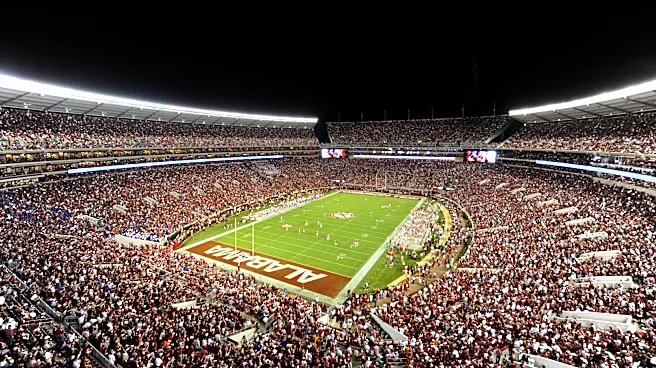
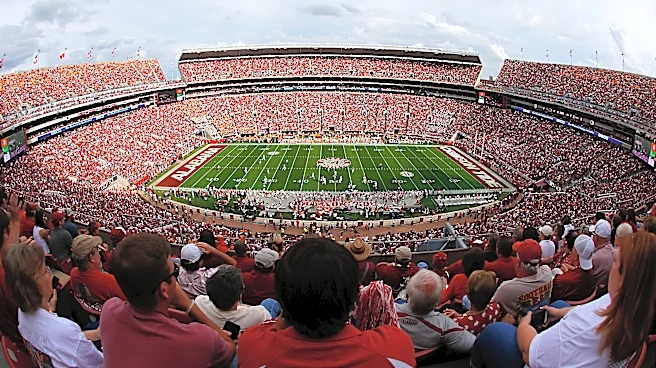
The field at Bryant-Denny Stadium, which can seat 100,077 fans, should be able to handle significant rainfall. That's because during a 2023 renovation, Alabama installed a SubAir system, just like the one at Augusta National Golf Club.
According to a report by Yea Alabama, "an extensive network of pipes and equipment runs under Saban Field, designed to remove excess water, circulate air through the soil and even warm the grass's root system during colder months."
Jon DeWitt is Alabama's director of athletics grounds. He told Yea Alabama the previous field dated to 1991 and lacked a gravel layer underneath and that led to challenges with drainage over time.
The 2023 re-do "was constructed using a design similar to a golf green. It features 10 inches of sand over four inches of gravel, with approximately 7,000 feet of underground drainage pipe."
Trey Crabill, a vice president for SubAir Systems, told Yea Alabama: "What a standard field will drain in an hour, a SubAir field drains in just under three minutes."
"[SubAir] was initially developed to improve golf green conditions by moving air through the root system," Crabill said. "That helped grass recover and remain healthier, particularly in areas where growing conditions were difficult. During that process, developers discovered they could reverse the airflow and use the system to pull moisture out of the ground. The origin of the idea was not moisture; it was recovery and health of the surface."
We'll find out Saturday what faces a tougher test: Alabama's football team or its football field.
Nick Stavas is a digital producer and commerce writer for Golfweek. Follow him on X/Twitter (@nickstavas).
This article originally appeared on Golfweek: Alabama's football field has a SubAir system just like Augusta National