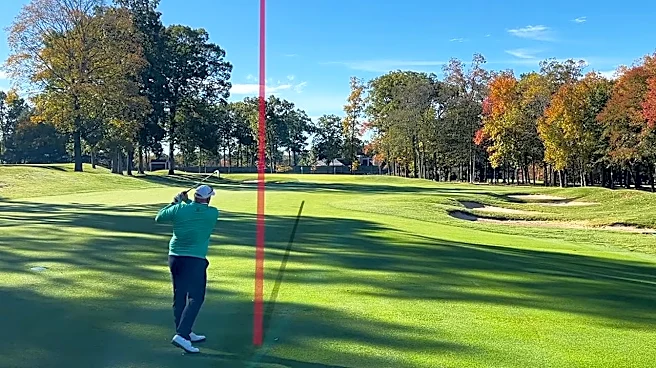


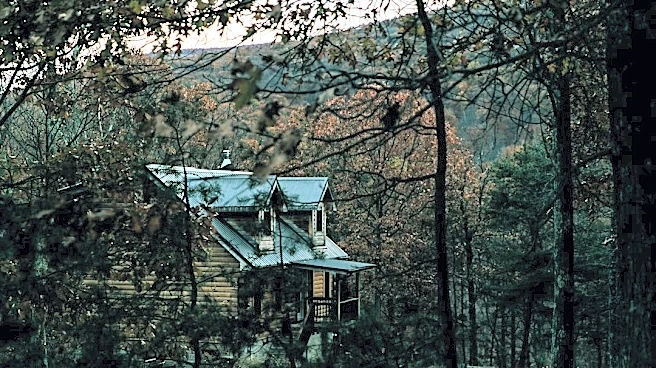


If you really want to enjoy the game, play golf in New England in October. The foliage in Vermont, Massachusetts and my home state of Connecticut makes every course look stunning, but there is a price you pay for stealing a few last rounds out of the season: Distance.
Golfers know that when they travel to warm climates like Arizona, Texas and Florida, the ball seems to go farther off the tee and with your irons. When the temperatures drop, as they do at this time of year throughout the Midwest, Northeast and Mid-Atlantic regions of the United States, the opposite happens.
Cold weather can steal distance in several ways, and understand what you can and can’t do about it can make a big difference to your club selection.

Start with the air. At the same
atmospheric pressure, cold air is denser than warm air, and that creates more drag as the ball flies. It also increases aerodynamic lift, so shots tend to fly slightly higher. As a result, your ball has more resistance to overcome on its trip toward the green and it will probably come down more vertically, leading it to stop faster.
A useful guideline is to factor about a three percent loss in distance for every 20-degree Fahrenheit drop in air temperature. So, a shot that carries 200 yards at 70 degrees might carry about 194 yards at 50 degrees, assuming the same launch conditions.
Six yards might not sound dramatic, until those 6 yards contain the front edge of a bunker.
Then there is the temperature of the ball itself. A golf ball left in your trunk overnight can become less resilient or springy as it cools, reducing its initial speed off the clubface. That potential loss comes in addition to the penalty imposed by colder air. Golf ball manufacturers recommend storing balls indoors at room temperature and allowing balls exposed to extreme temperatures to return to room temperature gradually for best performance. On chilly days, swapping golf balls as you play and keeping one in your pocket to warm up should help you avoid any issues.
Of course, the ball is not the only thing getting cold.

Cold muscles and extra clothing can affect your swing. If you need to wear three layers to stay warm and can’t seem to bend, twist and move like you did back in July, you’re not alone. In truth, these factors can matter more to overall performance than the atmosphere and the effects of cold temperatures on the ball.
Finally, separate carry from total distance. Softer ground can reduce roll, while firm or frozen turf can send a shorter flight bouncing farther than expected.
The sensible adjustment is to take more club on all your full swing shots, keep your golf balls indoors between rounds and as warm as possible while you play, and try to find apparel that has insulation and four-way stretch materials so you can make a fuller, un-restricted swing.
Your summer yardages remain useful references, but in autumn and early-winter rounds, they’re more like suggestions or starting points. If you live in a cold-weather climate, your club championship is more than six months away, so relax and enjoy the precious-few rounds you have left in your season.
David Dusek is a Golfweek senior writer and writes primarily about golf equipment, technology and PGA Tour analytics.
This article originally appeared on Golfweek: Why cold weather steals your golf distance and what you can do