



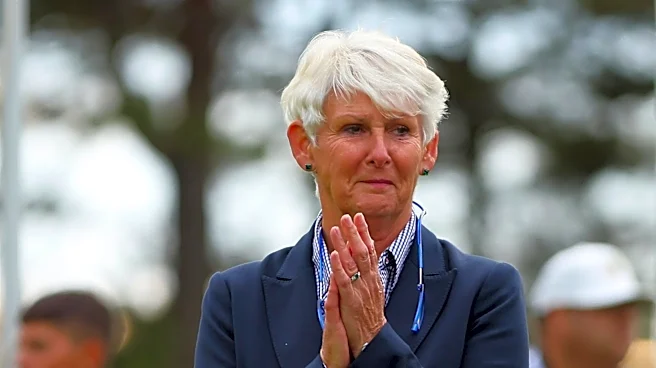
Julie Walker grew up in Irvine, near Scotland's west coast, and after spending much of her career in London, she recently returned to Ayrshire. An active golfer who has spent much of the past 15 years playing in Surrey, she has spent the last few years researching the history of women’s golf through club records, books and the British Newspaper Archive.
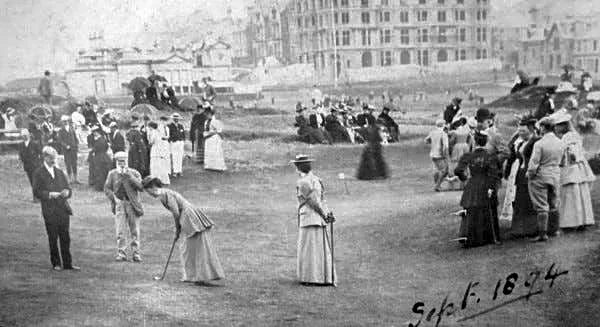
Her work has now evolved into the 160 Years Project, which aims to encourage clubs to investigate their own histories and share stories about the women who helped shape the game. Ahead of next year's 160th anniversary of the first women’s medal competition, Walker hopes clubs throughout Scotland and beyond will take part.
For readers who do not know you, tell us a bit about your background and how this project began.
I'm Scottish and have lived in London for a number of years, although I work
for myself and travel around the world. Over the past 15 years, I've played a lot of golf in Surrey.My professional background is in transformation and innovation. I go into organisations that want to change or solve a problem and help them understand how they got to where they are, where they want to go, and what resources they already have available to them.
I took that same approach with golf. I could see women participating in lots of golf activities, but I also saw a lack of knowledge about what women were already doing. That made me curious about the history and how we got to where we are today.
What turned that curiosity into a serious research project?
Last year, I subscribed to the British Newspaper Archive. That opened a massive world of insight and knowledge and sent me on this journey.
What fascinated me was seeing women creating clubs, competitions and communities at a time when they had very little agency in other parts of their lives. They built something remarkably successful and sustainable.

You have spoken about discovering stories that many clubs may not even know about. What did that lead to?
When I found this history, I built the Women's Golf History website quite quickly because I became fascinated by what I was learning.
I've used the British Newspaper Archive, club-history books and memoirs from women golfers. What I realised was that there are too many stories for one person to tell, and they do not belong to me. They belong to the clubs and the people where that history was made.
What exactly are you asking clubs to do?
The idea is very simple. I am inviting clubs to learn about their own women's golf history and register their name through a form on the website.
If they want, they can submit a link to their club website or history page. The club then appears as a point on a global map, showing clubs around the world that are writing their own women's golf history.
What happens next?
Between October 5-10 next year, I would like clubs to hold an event. It can be an existing event, and it can be women's or mixed event.Afterwards, they can give a short talk about the history of women's golf at their club, publish that on the club website, and acknowledge that women's golf is 160 years on from the first club and the first medal.
What would success look like for you?
My goal is simply to see lots of dots appearing from around the world. Clubs looking at their history, doing something next October, and being willing to have their name on a global map.
If clubs begin uncovering their own stories and sharing them, that would be phenomenal. The history belongs to them.
Why does this matter?
From the very beginning, it was about including everyone who wanted to play. Age and ability did not matter. It was about turning up, participating and being part of a community.
That is the core of women's golf. It is a unique legacy and one that deserves to be remembered and celebrated. We are custodians of today's golf experience. Our job is to carry forward what is valuable for this generation and the next.
This article originally appeared on Golfweek: '160 Years Project' aims to uncover women's golf history