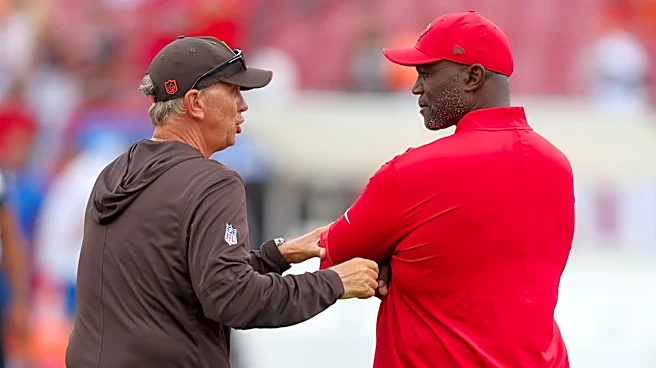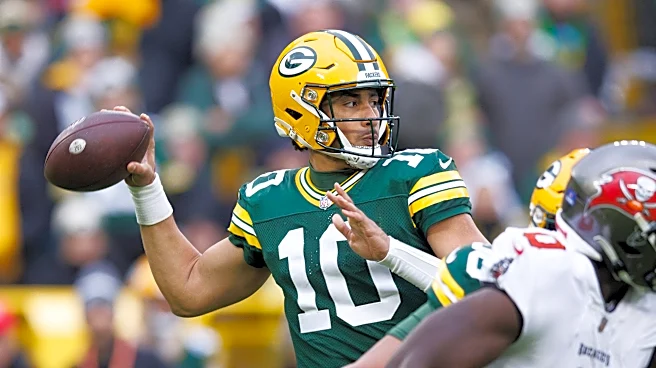

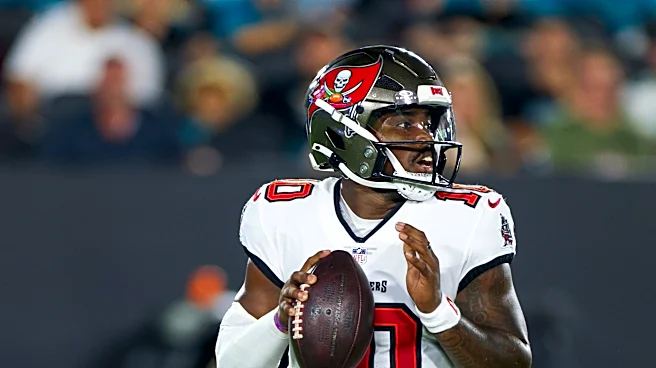
The Tampa Bay Buccaneers faced one of the biggest decisions of Sunday’s 17-14 loss to the Green Bay Packers with 1:34 remaining in the fourth quarter. Tampa Bay was facing 4th-and-11 at the Green Bay 47-yard line, leaving head coach Todd Bowles with two options: trust rookie quarterback Jalen Daniels to convert or send Chase McLaughlin out for a roughly 65-yard field goal.
Bowles chose to keep the offense on the field. After the game, he explained that the potential kick was about 10 to 15 yards beyond the range he felt comfortable with, and that Tampa Bay was also kicking into the wind. Bowles said he considered attempting it but ultimately “didn’t feel good about it,” according to a video posted on X by River Wells.
There was plenty of reason
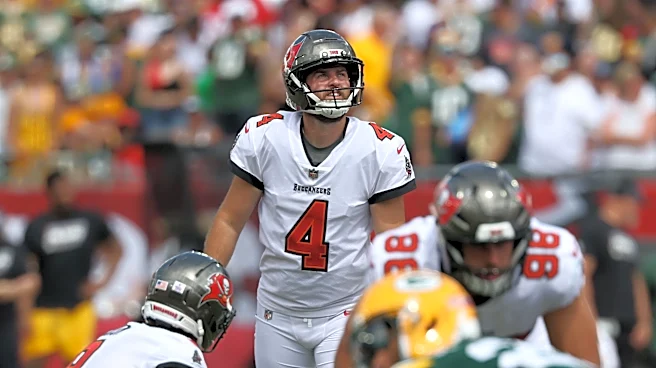
for Bowles to hesitate. A 65-yard field goal is a massive attempt under any circumstances, and kicking into the wind only makes it more difficult. McLaughlin’s career-long is 65 yards, a kick he made against the Philadelphia Eagles in Week 4 of the 2025 season. That field goal set a Buccaneers franchise record and became the longest outdoor field goal in NFL history.
McLaughlin’s history from that distance makes the decision worth questioning, especially considering what Tampa Bay’s offense had looked like immediately before fourth down. Daniels had spent much of the afternoon dealing with inconsistent protection, and the problem became even more obvious on the final possession. An inside pressure came through untouched and nearly brought him down before he escaped and threw the ball away. On the following play, another defender came through with little resistance and sacked Daniels for a 6-yard loss.
That sack set up 3rd-and-16, and Tampa Bay called a wide receiver screen to Emeka Egbuka. The play gained only five yards, leaving the Bucs facing 4th-and-11 with the game essentially on the line. Considering the protection problems and the conservative call on third down, converting 11 yards against a Packers defense that knew Tampa Bay had to throw was never an especially favorable situation.
McLaughlin's 65-yard kick against Philadelphia was not simply a desperation attempt that happened to sneak through. He also made a 58-yard field goal in that same game, and Tampa Bay’s own records show that long-distance kicking has become one of his strengths since joining the Buccaneers.
That does not mean Bowles was necessarily wrong to leave the offense on the field. Wind direction and strength can completely change a kicker’s effective range, and Bowles had a better view of those conditions than anyone watching the broadcast. McLaughlin’s previous 65-yarder also came under different circumstances, so using his career long as proof that he should automatically attempt another one would ignore the conditions Bowles cited after the game.
The question is whether a roughly 65-yard attempt from an established long-range kicker offered Tampa Bay a better chance than asking an undrafted rookie quarterback to convert 4th-and-11 behind an offensive line that had struggled to protect him all afternoon. Daniels had played well enough to keep Tampa Bay in the game and had shown plenty of composure, but the Packers had repeatedly created immediate pressure without forcing him to hold the ball for long.
Tampa Bay ultimately trusted Daniels and the offense. The fourth-down pass fell incomplete; Green Bay took possession, and the Buccaneers never got the ball back. Bowles had legitimate reasons for passing on the field goal, particularly the wind, but with McLaughlin’s proven range and the way Tampa Bay’s protection had deteriorated late, attempting the kick would have been a defensible gamble as well.
This article originally appeared on Bucs Wire: Should Buccaneers have trusted Chase McLaughlin on their final drive?