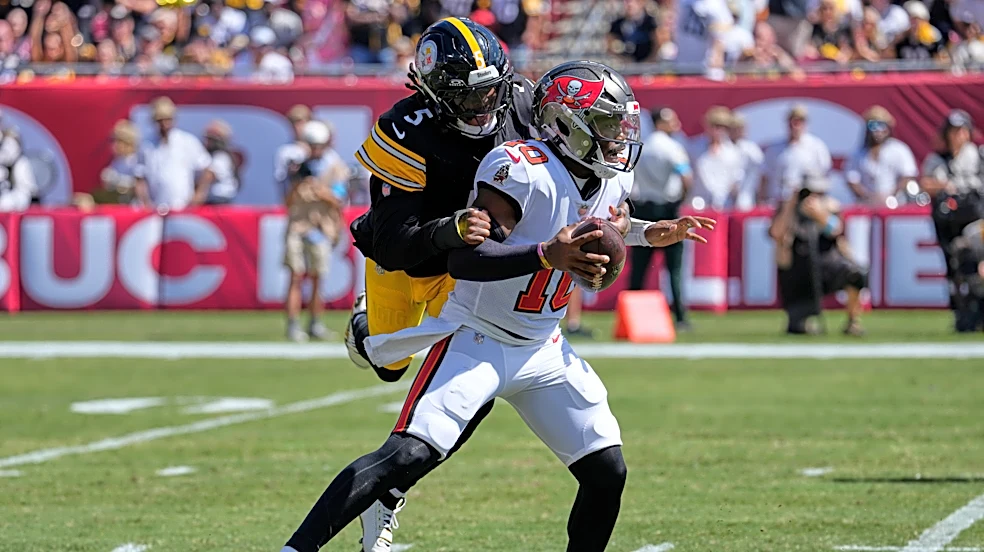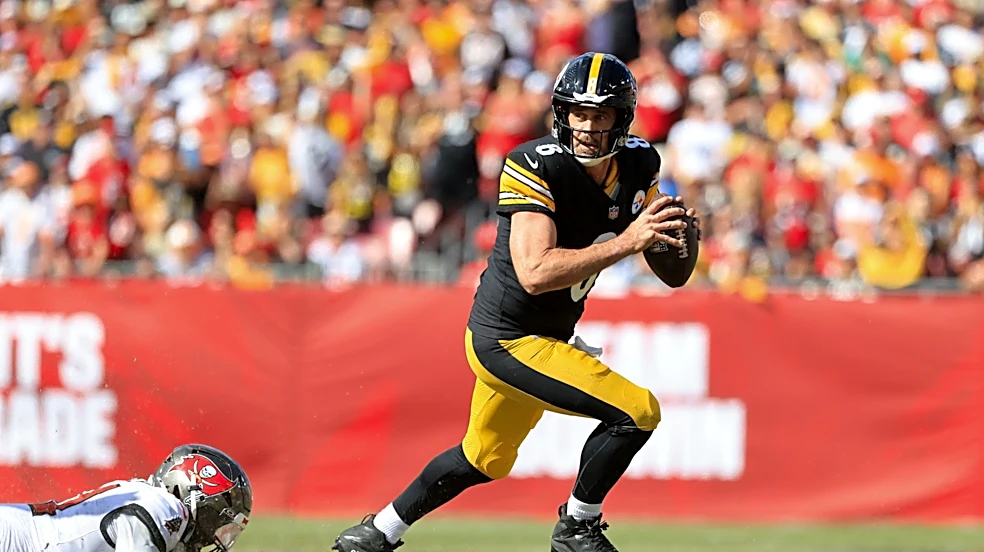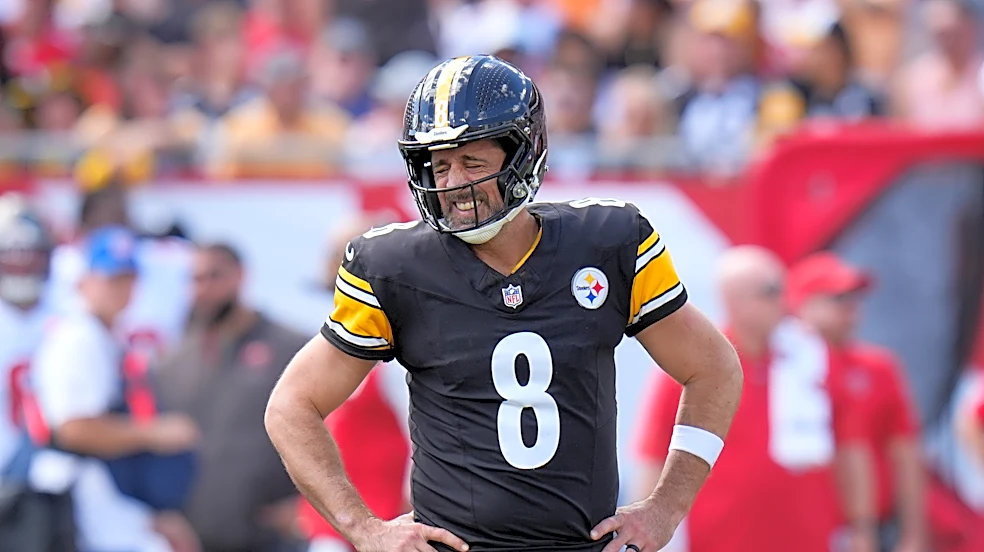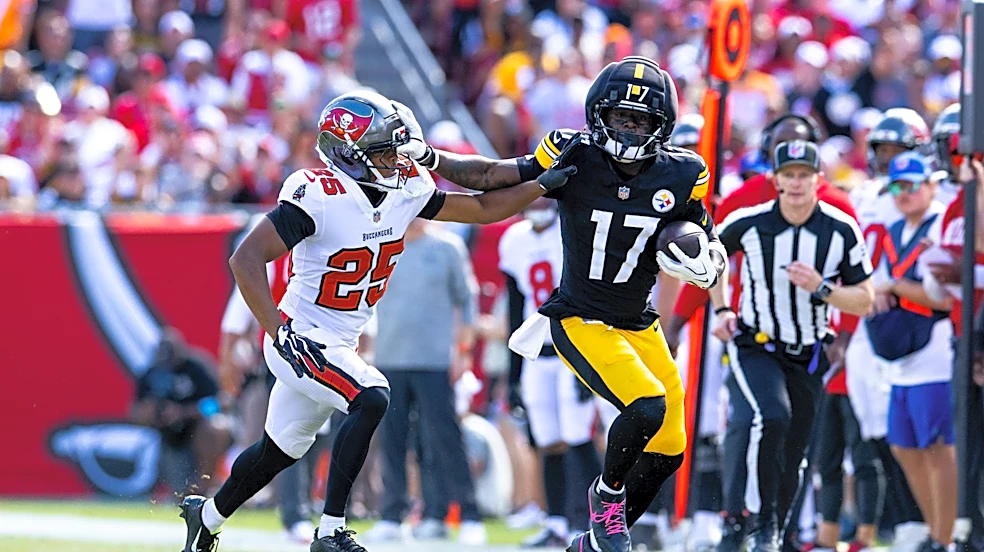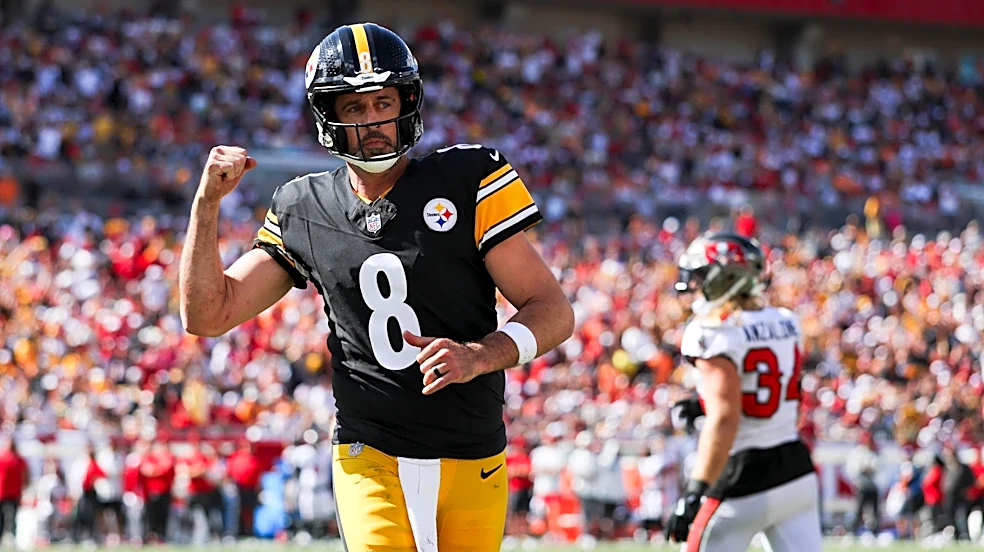


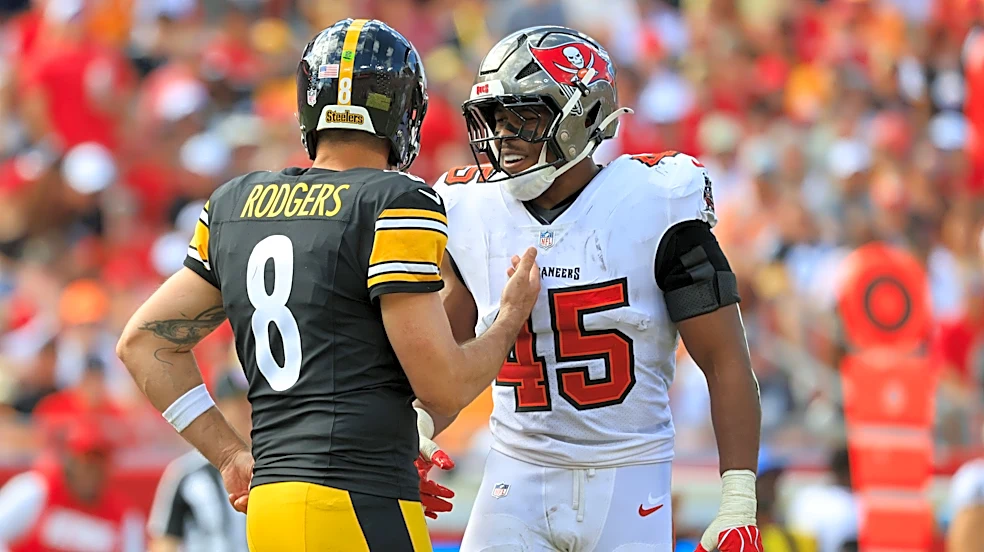

Third and 13. Overtime. Pittsburgh backed up at its own 27-yard line. The Tampa Bay Buccaneers needed one defensive stop to give their offense a chance to win. Instead, Aaron Rodgers found DK Metcalf for 16 yards, and what should have ended Pittsburgh's possession became the start of a 70-yard touchdown drive. That single conversion perfectly captures everything wrong with Todd Bowles' defense when it matters most. Tampa Bay can generate sacks, force negative plays, and put opposing offenses behind the chains, but none of it means much when the defense cannot finish the possession.
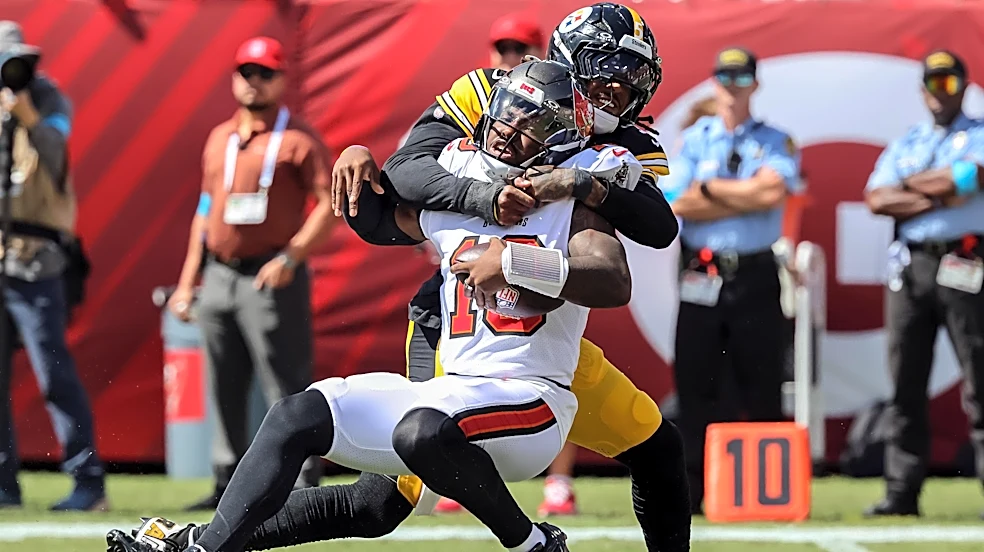
The warning signs were already there before overtime; as late as the third quarter, David Walker dropped Rodgers for an 11-yard loss, creating second and 21. Pittsburgh
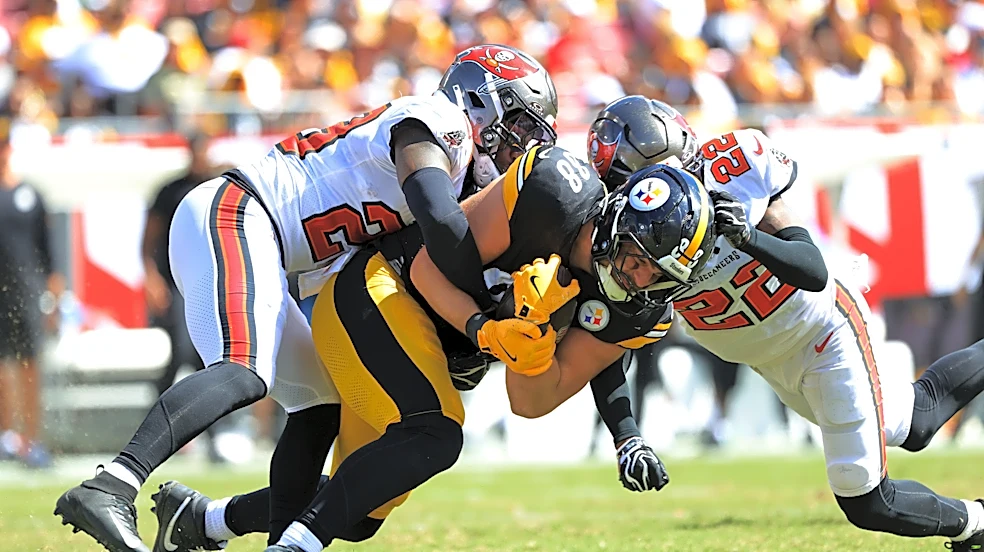
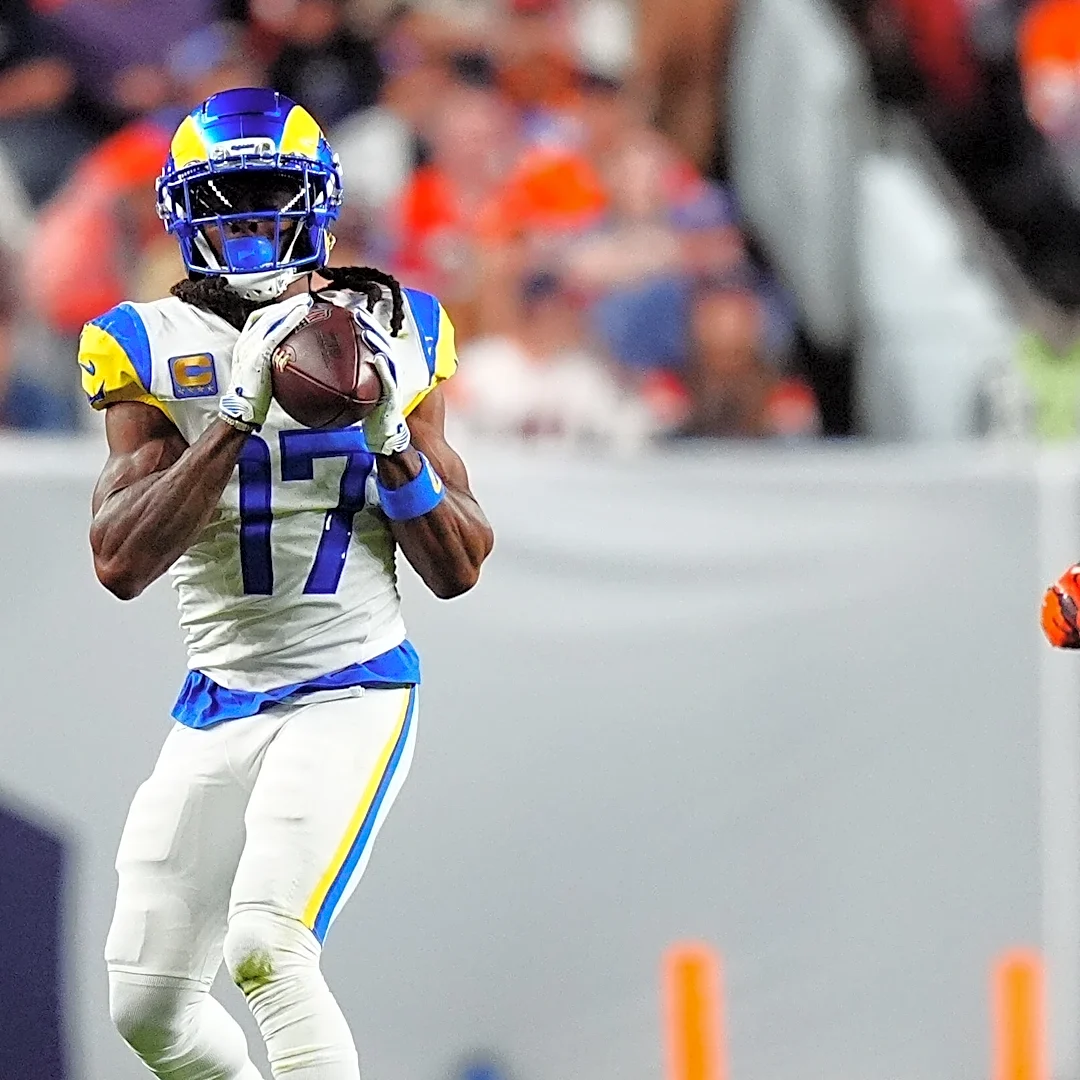
still managed to extend the possession and eventually finished the drive with a touchdown to Darnell Washington. An 11-yard sack should have put the Steelers in serious trouble. Instead, Tampa Bay allowed them to recover and score. These are the situations where Bowles' defensive philosophy deserves scrutiny. His aggressive approach is designed to create confusion, generate pressure, and force quarterbacks into mistakes. But against experienced quarterbacks who can spot coverage weaknesses, that aggression becomes dangerous when the secondary cannot hold up behind it. Pittsburgh didn't need explosive plays to dismantle Tampa Bay. Rodgers repeatedly found manageable completions, particularly to Metcalf and rookie Germie Bernard, who combined for 22 receptions and 180 receiving yards. The Steelers recognized the opportunities and kept attacking them.
The overtime possession was particularly revealing. After Yaya Diaby tackled Jaylen Warren for a three-yard loss, Tampa Bay had created the exact situation its defense is built to exploit. Yet Rodgers converted third and 13, then completed six more consecutive passes as Pittsburgh methodically moved toward the end zone. The offense understood exactly how to attack the defense across from it. Bowles can't keep pointing to individual mistakes when the bigger issue is how consistently opponents find answers in critical situations. Tampa Bay recorded five sacks and held Pittsburgh to just 3.9 yards per play, yet surrendered 23 points across the fourth quarter and overtime.
The Buccaneers have enough defensive talent to create difficult situations for opposing offenses. What they haven't shown is the ability to capitalize when the game demands it. Third-and-long is supposed to favor the defense. For Tampa Bay, it has become another opportunity for opponents to expose its inability to finish. And until Bowles figures out why, the sacks, pressures, and impressive individual performances will continue to mean very little in the standings.
This article originally appeared on Bucs Wire: 3rd and long continues to haunt the Bucs defense