
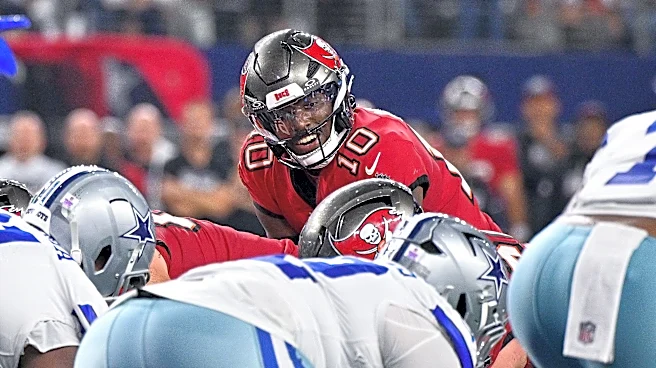
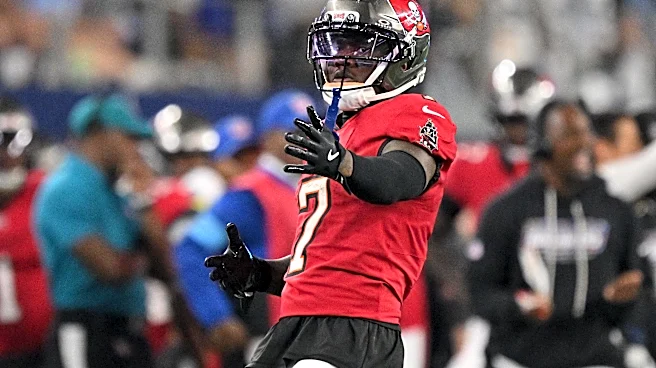
The Tampa Bay Buccaneers finally broke into the win column with a 24-16 victory over the Dallas Cowboys in Week 5, but their defense had been producing encouraging results well before Thursday night's game. Despite opening the season with four consecutive losses, Todd Bowles' unit has established itself as one of the NFL's better defenses in multiple statistical categories.
According to figures shared by the Buccaneers' official social media account, Tampa Bay ranks in the top 10 in seven defensive categories through five games. The most impressive numbers come on the run, where the Buccaneers rank second in the NFL with 72.8 rushing yards allowed per game and third with just 3.28 yards allowed per rushing attempt.
Those numbers are encouraging
considering how much Tampa Bay's offense has struggled to sustain drives this season. The defense has consistently limited opposing rushing attacks, making it difficult for teams to control games on the ground. That success has also contributed to the Buccaneers ranking fifth in first downs allowed per game (17) and sixth in total defense at 299.4 yards allowed per contest.
Tampa Bay has also been effective in situations where getting off the field becomes especially important. The Buccaneers rank seventh in third-down conversion rate allowed (33.87%), tied for seventh in goal-to-go touchdown percentage allowed (66.67%) and ninth in red-zone touchdown percentage allowed (53.85%). While those rankings are encouraging, allowing touchdowns on more than half of opponents' red-zone possessions shows there is still room for improvement.
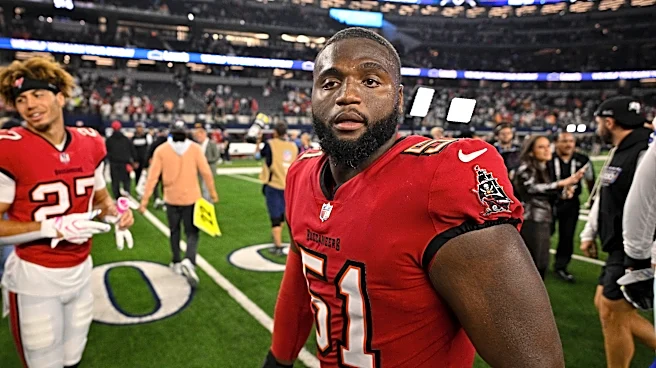
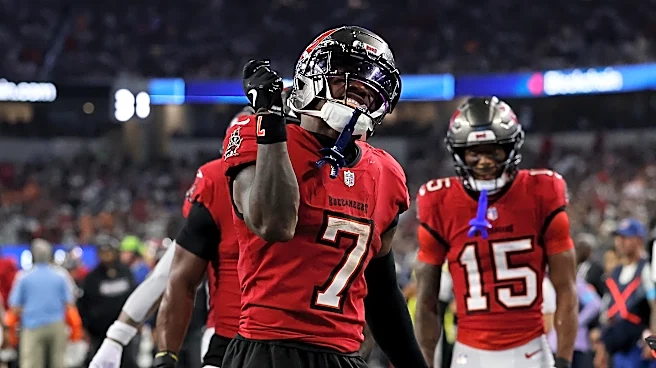
The difference between limiting yardage and winning football games became evident during Tampa Bay's four-game losing streak. The Buccaneers entered Week 5 with several strong defensive rankings but had struggled to turn those performances into victories. Against Dallas, however, the defense finally combined its ability to limit the running game with the turnovers needed to change the outcome.
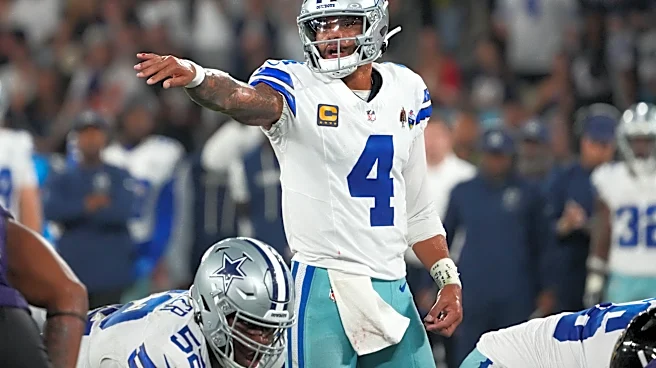
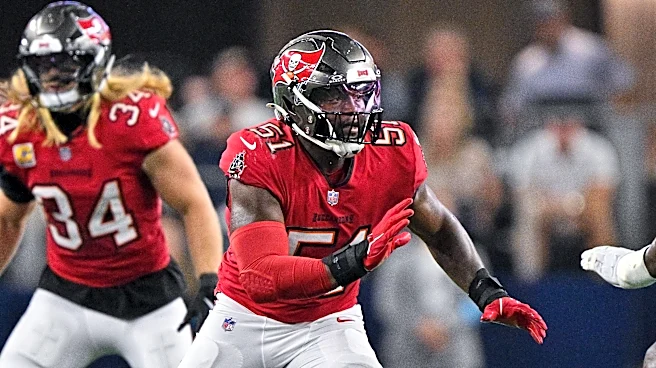
The Cowboys managed just 50 rushing yards on 13 attempts, and Tampa Bay forced three second-half turnovers after failing to record a takeaway in the first half. Yaya Diaby intercepted Dak Prescott, Miles Killebrew forced a fumble on a kickoff return that Kevin Knowles recovered, and Alex Anzalone secured the victory with an interception late in the fourth quarter. Those plays helped protect Tampa Bay's lead and prevented Dallas from completing a comeback.
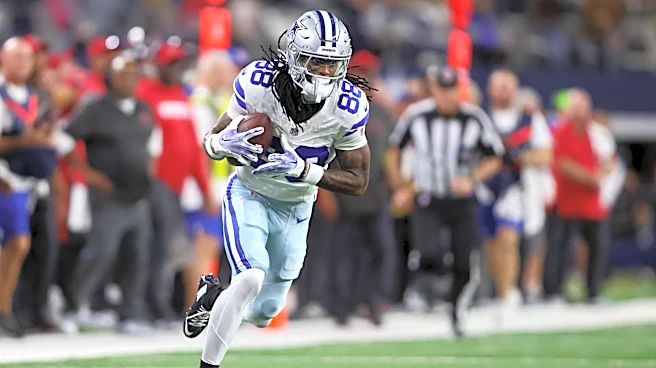
The Thursday night performance wasn't without its flaws. Dallas still finished with 366 total yards, including 316 through the air, and George Pickens caught nine passes for 130 yards and a touchdown. The Cowboys also put together a 99-yard touchdown drive in the fourth quarter, demonstrating that Tampa Bay's defense remains vulnerable to explosive passing plays and extended possessions.
However, Thursday's victory showed what the Buccaneers can accomplish when their defensive strengths are supported by takeaways and a productive offense. Tampa Bay rushed for 241 yards, controlled possession for more than 39 minutes, and gave its defense opportunities to play with a lead. The result was a more complete team performance than anything the Buccaneers had produced during their winless start.
For Bowles and the Buccaneers, the challenge now is turning those individual defensive strengths into consistent results. Tampa Bay has already demonstrated that it can stop the run, limit first downs, and force opponents into difficult situations. If the defense can continue generating turnovers while improving against the pass, those impressive rankings could become something more meaningful than a statistical bright spot on a losing team.
This article originally appeared on Bucs Wire: Bucs defense quietly emerging as one of NFL’s best units