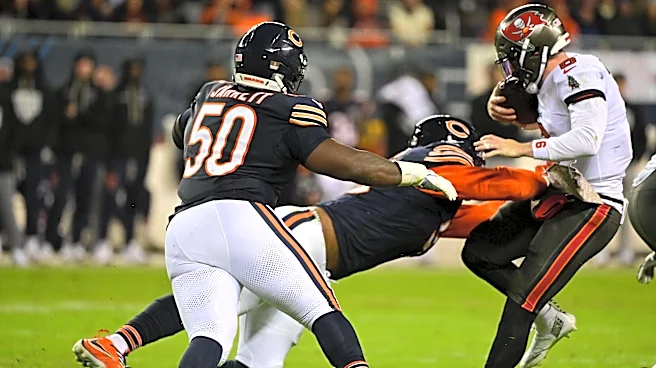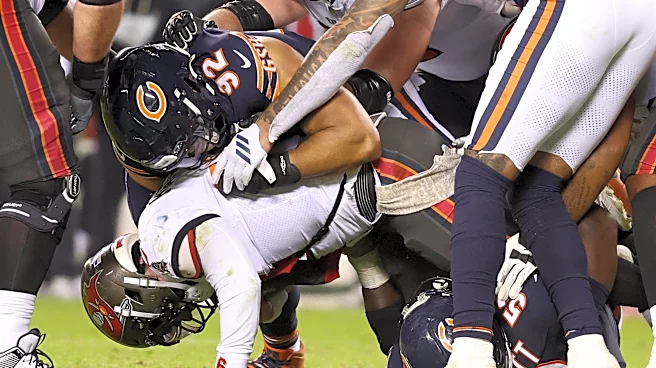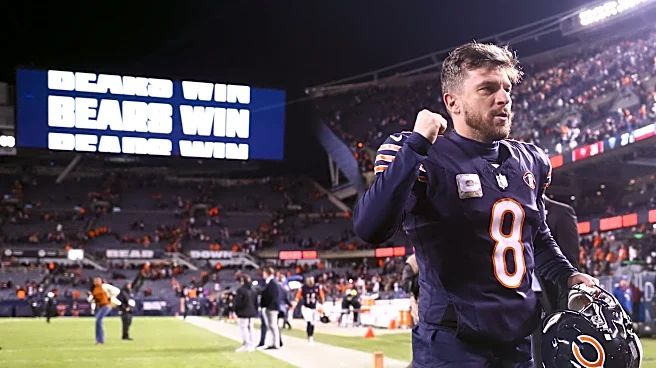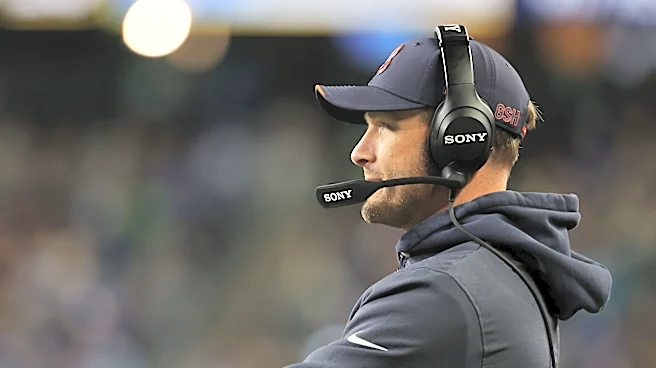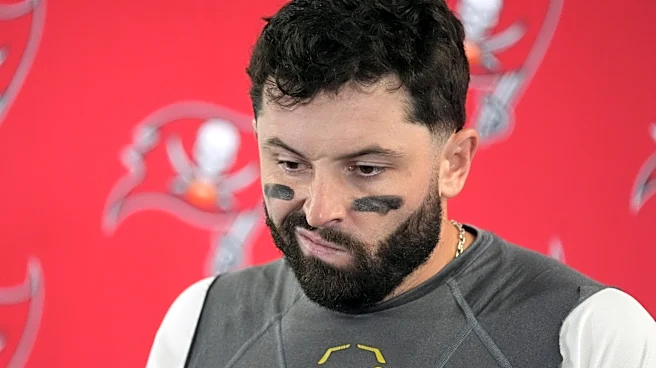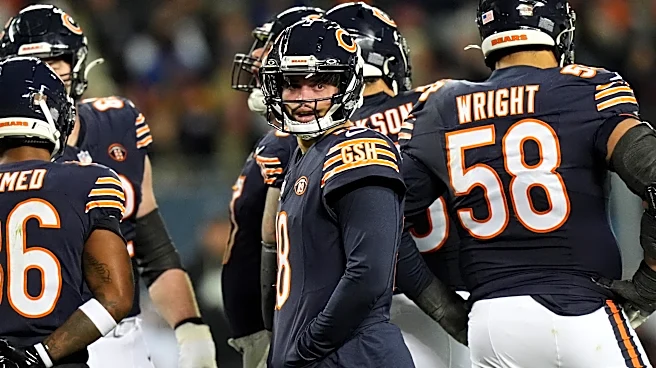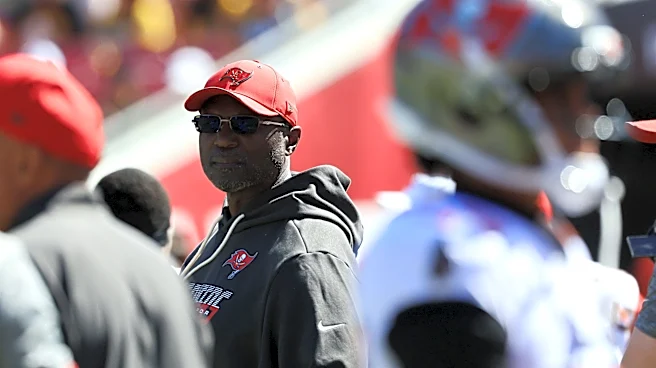



Todd Bowles can point to a Buccaneers defense that forced five turnovers, intercepted Caleb Williams four times, and gave Tampa Bay every opportunity to beat the Chicago Bears. But when the game came down to coaching decisions, Bowles once again left plenty of room for criticism. Tampa Bay lost 27-24, and the head coach's approach to fourth downs and scoring opportunities will only strengthen the argument that the organization needs a change.
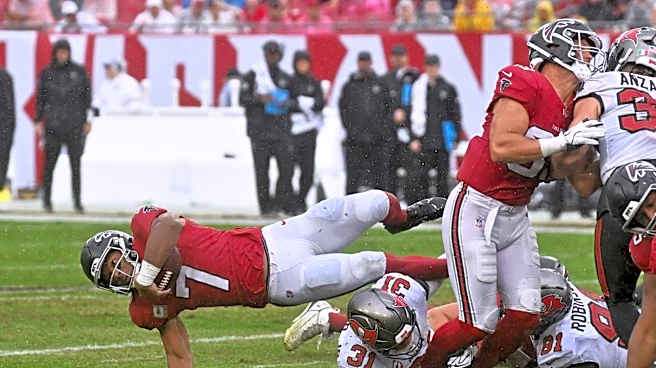
The most frustrating decision came early in the second quarter. Trailing 14-0, Tampa Bay had moved the ball inside Chicago's five-yard line and faced fourth and four from the Bears' four. This was an opportunity to get the offense into the end zone and cut the deficit to one possession. Instead, the Buccaneers
initially lined up as if they might go for it, failed to draw Chicago offsides, took a delay-of-game penalty, and sent Chase McLaughlin out for a 27-yard field goal. The decision becomes even harder to defend in hindsight. Tampa Bay was willing to take a risk on fourth and one from its own 35-yard line, attempting a quarterback sneak that Baker Mayfield could not convert. Bowles trusted his offense in a situation where a failure handed Chicago excellent field position, but he became conservative when his team had a chance to score a touchdown from inside the five.
That inconsistency is the problem. It is not about believing every fourth down should be an automatic attempt. It is about understanding the situation, the score, and what gives your team the best chance to win. When you are down two touchdowns against a high-powered offense, settling for three points from the four-yard line is difficult to justify. Bowles had another opportunity to be aggressive before halftime. With Tampa Bay at the Chicago three-yard line and only three seconds remaining, the Buccaneers settled for another field goal, going into the break down 17-6. He later made a similar decision in the fourth quarter, taking a delay of game before McLaughlin kicked a 35-yard field goal on fourth and nine from the Chicago 18. Tampa Bay eventually tied the game, but those missed opportunities to score touchdowns mattered.
The defense gave Bowles five takeaways. The offense gained 369 yards. Tampa Bay had enough opportunities to win, but converted only two of 12 third downs and repeatedly settled for field goals when touchdowns were available. That is what makes the loss so frustrating. Bowles' defense did enough to keep the Buccaneers in the game, but his decisions put unnecessary pressure on an offense that was already struggling to finish drives. A coach cannot expect his defense to create five turnovers and then fail to capitalize on the opportunities that follow. Tampa Bay's problems have extended beyond one Sunday night. Questionable game management, inconsistent execution, and missed opportunities have become recurring concerns. If Bowles wants to quiet the criticism, he needs to show that he can make the decisions that give his team the best chance to win. Sunday night offered another reason many believe his time in Tampa Bay should be coming to an end.
This article originally appeared on Bucs Wire: Todd Bowles questionable coaching decisions cost Bucs game