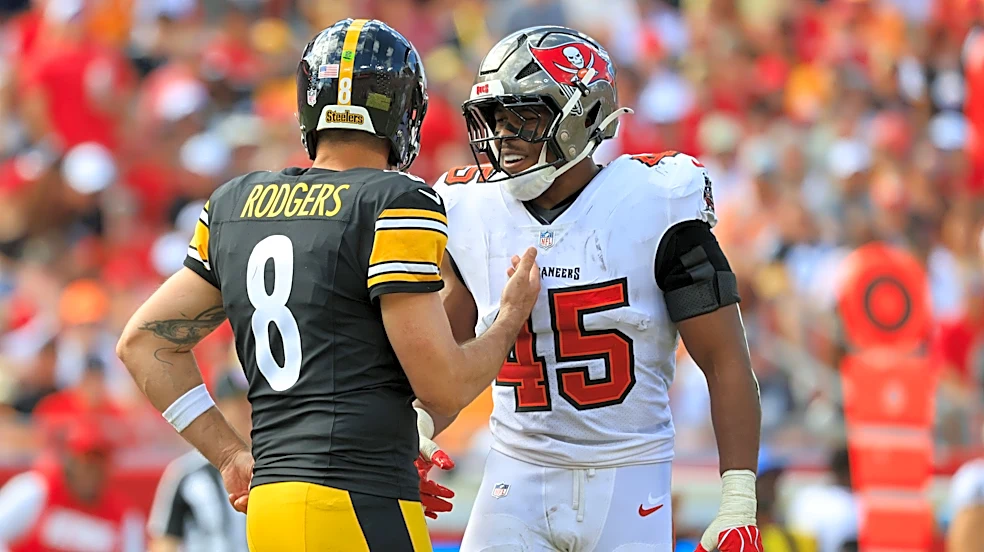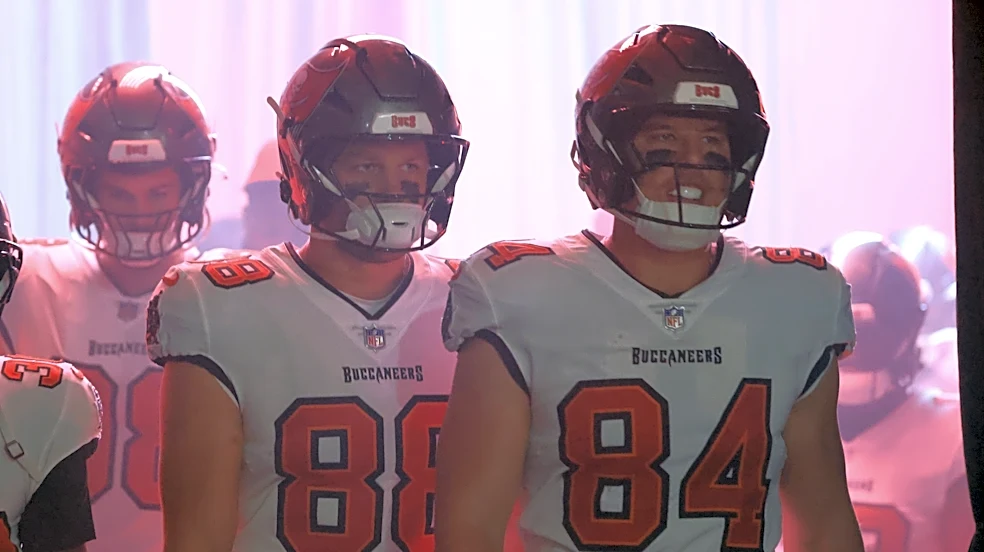







The Tampa Bay Buccaneers made a significant financial commitment to Cade Otton this offseason, handing their starting tight end a three-year, $30 million contract with $20 million guaranteed. Six games into that investment, nothing has justified the contract. Otton hasn't been a liability, but for a player earning $10 million annually, simply being on the field cannot be enough. Sunday's 26-19 overtime loss to Pittsburgh provided perhaps the most frustrating example yet. With Tampa Bay throwing the football 43 times, Otton caught one pass for four yards on two targets. In a game that went into overtime and featured an offense desperately searching for reliable receiving options, one of its highest-paid pass catchers was practically nonexistent.
The problem extends well beyond Sunday. Over six games, Otton has caught 19 passes for 186 yards and no touchdowns. He's averaging just 31 receiving yards per game and has surpassed 40 yards only once this season. His 56-yard performance against Minnesota remains his season high, and his longest reception accounts for nearly 20% of his total receiving production. Those numbers become particularly concerning when you consider why Tampa Bay kept him. Otton recorded 59 receptions in each of the previous two seasons, establishing himself as a dependable underneath option for Baker Mayfield. The Buccaneers weren't paying for elite athleticism or explosive playmaking, but they were investing in consistency, reliability, and versatility. So where has that reliability gone?
Some responsibility belongs to Zac Robinson. Otton caught just two passes against Pittsburgh, even as the Steelers frequently generated pressure and forced Jalon Daniels into difficult situations. A tight end who can work underneath coverage should be a valuable outlet for a young quarterback, especially when defenses send additional rushers. However, the coaching staff cannot shoulder all the criticism. Otton has never been a particularly explosive receiving threat, averaging fewer than 10 yards per reception throughout his career. His limited ability to consistently create yards after the catch or threaten defenses vertically makes it hard to justify his contract based solely on receiving production. Tampa Bay values his blocking, durability, and ability to remain on the field for nearly every offensive snap. Those contributions matter, especially in an offense built around establishing the running game. But committing $30 million to a tight end who isn't consistently influencing the passing game raises legitimate questions about how the Buccaneers are spending their money.
This article originally appeared on Bucs Wire: 30 million for what? Cade Otton has become a ghost on Bucs offense