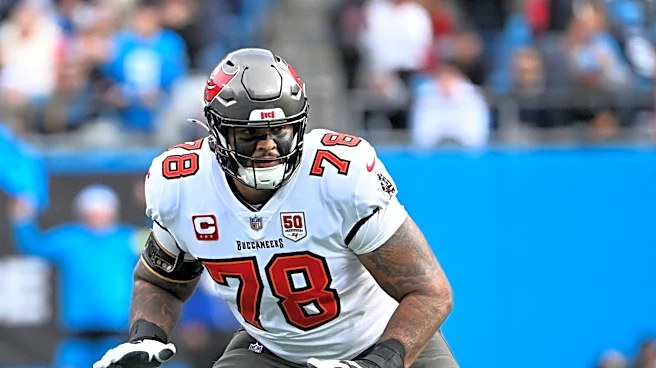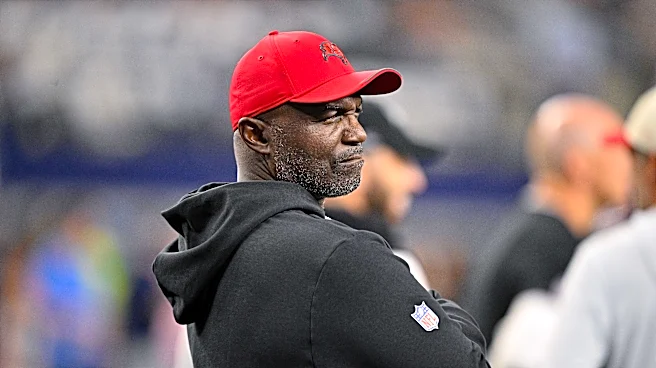


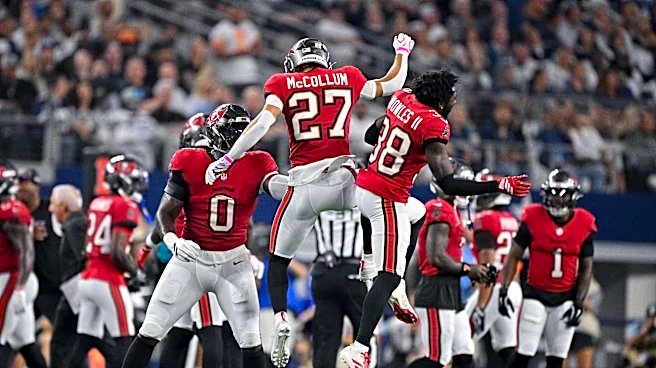

Five games into the 2026 season, Todd Bowles hasn't backed away from the aggressive defensive philosophy that has defined his tenure with the Tampa Bay Buccaneers. If anything, the numbers suggest he's doubling down on it, even as questions surrounding the defense's consistency continue to mount. According to Pro Football Focus, Tampa Bay has blitzed on 45.8% of opposing dropbacks through Week 5, the fourth-highest rate in the NFL. The Buccaneers have sent additional rushers on 82 of 179 dropbacks, trailing only the Minnesota Vikings (78.5%), New York Jets (52.4%), and Washington Commanders (51.2%). For perspective, the league average sits at 35.1%, meaning Tampa Bay is blitzing more than 10 percentage points above the NFL average.
The numbers
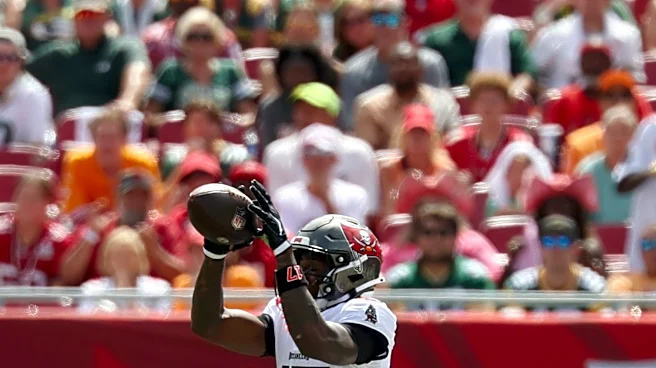
reinforce just how much Bowles relies on pressure packages to dictate what opposing offenses can do. His defense frequently incorporates disguised coverages, delayed blitzes, and pressure from linebackers and defensive backs, forcing quarterbacks to identify the source of the extra rusher before the snap. However, sending additional defenders doesn't automatically create effective pressure, and that's where the conversation around Bowles gets more complicated. Blitzing at this frequency places a huge responsibility on Tampa Bay's secondary. When an additional defender rushes the quarterback, someone else must cover the vacated space. Against quarterbacks who can identify pressure quickly, those openings can turn into easy completions, particularly when the pass rush fails to reach its target.
It's also worth questioning whether Tampa Bay's dependence on blitzing reflects an inability to consistently generate pressure with its traditional four-man rush. A defense that can disrupt quarterbacks without sacrificing coverage of defenders has significantly more flexibility, especially against offenses that thrive on quick-passing concepts.That doesn't mean Bowles should abandon the blitz. His pressure packages have produced results throughout his coaching career, and the emergence of players such as David Walker gives Tampa Bay another potential weapon in those looks. The challenge is finding the balance between creating negative plays and exposing the secondary to unnecessary risk.
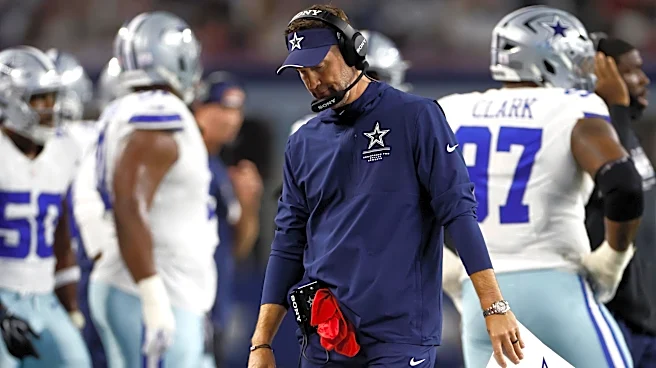
For Bowles, the issue isn't simply how often he sends pressure. It's whether that aggression is producing enough disruption to justify the coverage responsibilities it creates. Ranking fourth in blitz rate tells us exactly how Tampa Bay wants to play defense. Whether that approach is actually working requires a much closer look at the results.The Cowboys game provided a clear example of why Bowles remains committed to that approach. Tampa Bay generated pressure on 40.5% of Prescott's dropbacks, with Dallas averaging -0.31 expected points per play against the blitz, compared with +0.09 when the Buccaneers didn't blitz. Bowles' pressure packages were particularly effective at attacking Dallas' protection and forcing Prescott to get rid of the football quickly.
This article originally appeared on Bucs Wire: Todd Bowles’ aggressive blitz strategy comes with a major risk