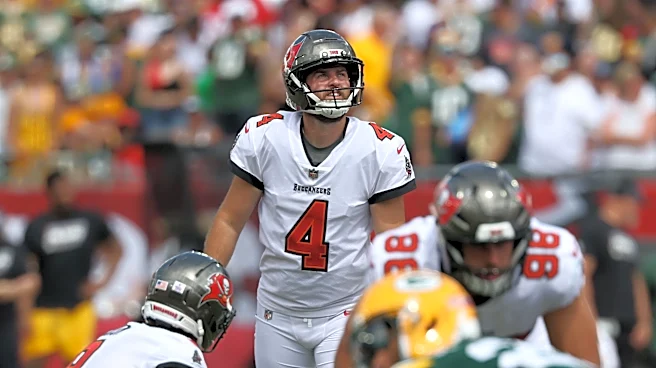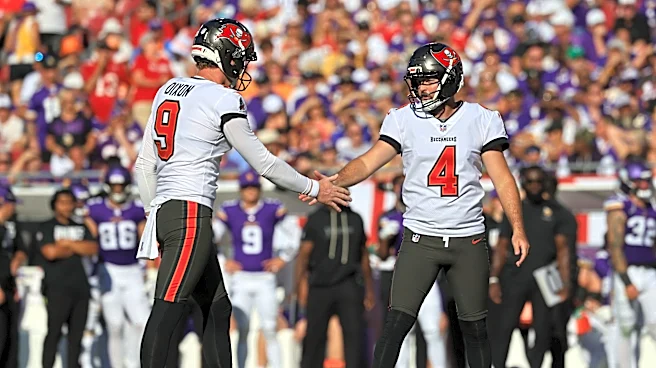


Riley Dixon struggled again against Green Bay. He averaged just 40 yards over four punts, with a longest punt of only 43 yards, and failed to put a single punt inside the Packers' 20. Green Bay returned two of those punts for 19 yards, leaving Dixon with a net average of only 35.2 yards. Meanwhile, Packers punter Daniel Whelan put three of his four punts inside Tampa Bay’s 20 and finished with a 41.8 net average. That is a significant difference in a game decided by three points.
Dixon has punted 17 times this season, and only three have landed inside the 20. His gross average of 45.4 yards does not look terrible until returns are factored in. His net average drops to 36.9 yards, with opponents already returning six punts for 125 yards and a touchdown.
Minnesota exposed the same problem a week earlier. Dixon punted nine times and averaged a respectable 47.3 yards per punt, but his net average was only 35.6. The Vikings returned four punts for 106 yards, including an 86-yard touchdown by Myles Price. Coverage deserves plenty of blame for that, but Dixon has not consistently provided the hang time and placement needed to make the unit’s job easier. That is exactly what Tampa Bay needed to improve after last season. Dixon finished 2025 with 29 punts inside the 20, but the Bucs still exercised his contract option after an inconsistent year, believing a revamped special teams unit could get more from him.
A good punter has to understand field position, control placement, and give his coverage team opportunities to get downfield. When Tampa Bay punts near midfield, Dixon needs to make opponents start deep rather than simply trading possession. The Bucs are 0 and 4 and have now lost consecutive games by seven and three points. In games decided by such small margins, field position matters. Right now, Dixon is not consistent enough to help Tampa Bay win that battle.
This article originally appeared on Bucs Wire: Riley Dixon's punting struggles continue