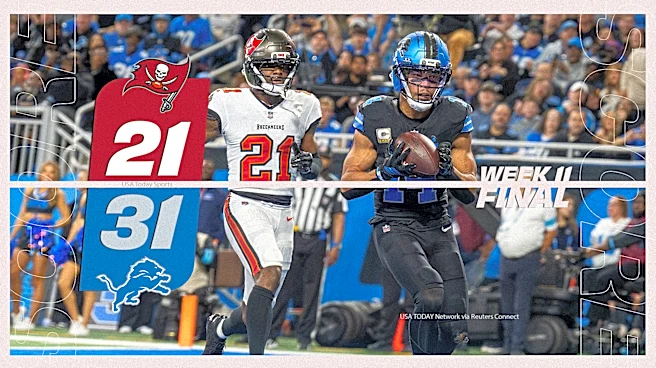

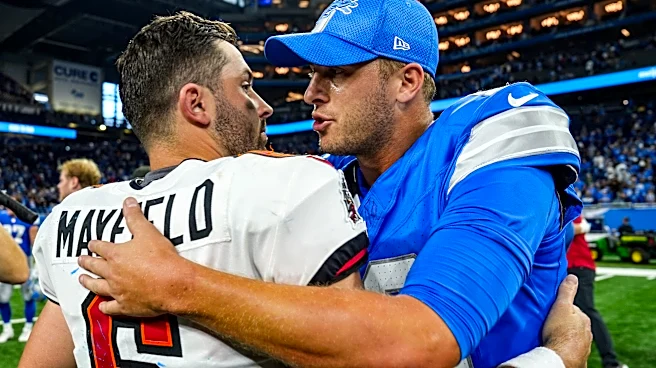
The Tampa Bay Buccaneers had opportunities to make things interesting against the Detroit Lions, but their own mistakes kept getting in the way. Tampa Bay fell 31-21 at Ford Field on Sunday, dropping to 3-7 after a game that featured costly penalties, communication problems, and missed opportunities on both sides of the ball. The Buccaneers pulled within three points late in the third quarter before Detroit scored 14 unanswered points in the fourth, turning a competitive game into another frustrating loss.
Penalties and poor clock management cost Tampa Bay
The most frustrating part of Sunday's loss wasn't necessarily what Detroit did; it was how often the Buccaneers made things harder on themselves. Tampa Bay finished with eight penalties for 58 yards, including two delay-of-game penalties that
disrupted offensive possessions. Ford Field was loud throughout the afternoon, and the Buccaneers often seemed to struggle to get organized before the snap. Whether the issue was getting plays in, communicating in the huddle, or handling the crowd noise, the offense repeatedly found itself rushing against the play clock.
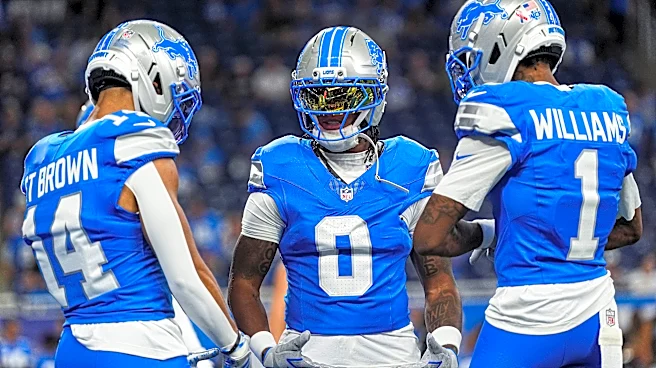
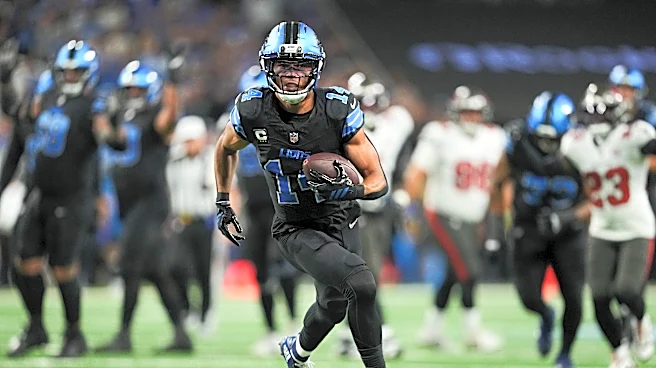
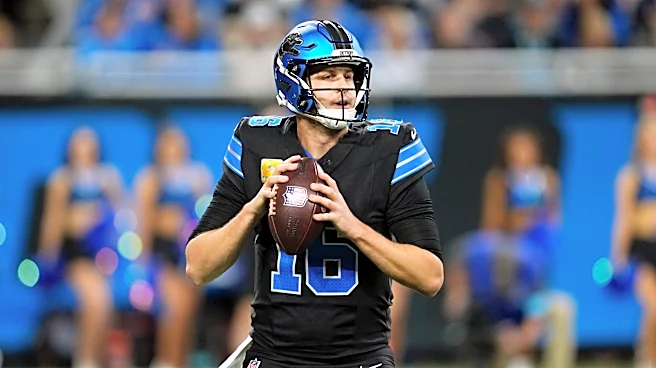
The most damaging penalty came early in the third quarter when Bucky Irving broke loose for an apparent 80-yard touchdown; however, right tackle Luke Goedeke was flagged for holding, wiping away a potential go-ahead score. Tampa Bay eventually punted, and Detroit answered with a 57-yard touchdown pass from Jared Goff to Jameson Williams. Instead of building on the momentum from its touchdown before halftime, Tampa Bay watched the Lions extend their lead to 17-7.
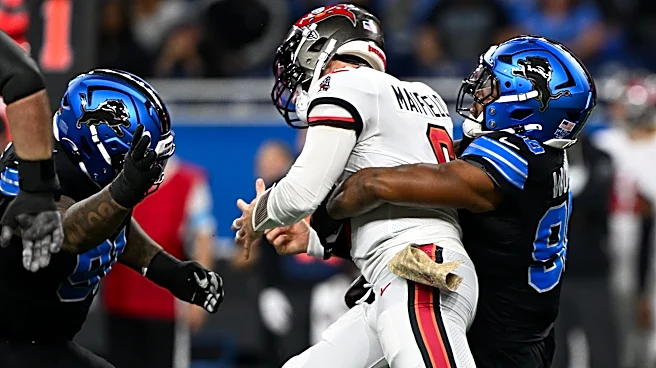
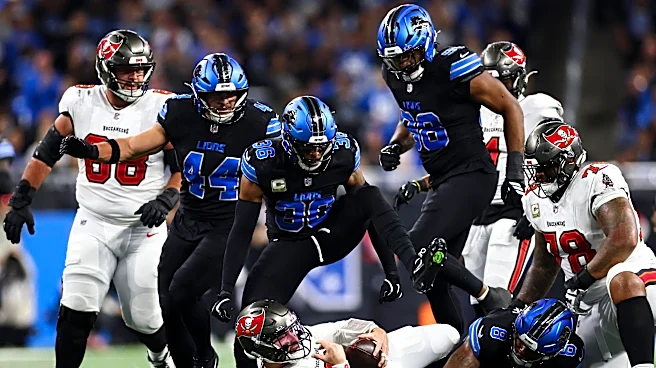
The fourth quarter provided another example of poor execution. Facing fourth-and-14 with the offense scrambling to get the snap off, Baker Mayfield was overwhelmed by Detroit's pressure and sacked for a nine-yard loss. The Lions took over at Tampa Bay's 34-yard line and eventually scored on Jahmyr Gibbs' second rushing touchdown. At that point, taking a timeout to organize the offense would have been worth considering. Instead, the Buccaneers rushed into a critical play and failed to convert.
Bowles' aggression wasn't the problem
Todd Bowles will undoubtedly face questions about his decision to go for it on fourth-and-1 inside Detroit's 10-yard line during the first quarter. The Buccaneers had put together a 12-play, 47-yard drive before Irving was stopped for a loss, turning the ball over on downs.
However, the decision itself wasn't necessarily wrong. Tampa Bay needed to take an aggressive approach against a talented Detroit team, and Bowles gave his offense a chance to finish a promising possession with a touchdown. Irving had been fighting for yards throughout the drive, but Detroit won the battle at the line of scrimmage.
There is a difference between making an aggressive decision that doesn't work and allowing preventable mistakes to undermine an offense. The fourth-down gamble was defensible. The repeated delay-of-game penalties and rushed execution were much harder to justify.
Injuries create problems for Tampa Bay's secondary
The Buccaneers entered Sunday's game without Antoine Winfield Jr., and their secondary suffered another setback when cornerback Jacob Parrish was injured during Detroit's first touchdown drive. Parrish was eventually ruled out, forcing Tampa Bay to adjust its outside coverage.
Second-year cornerback Benjamin Morrison took on additional responsibilities as Detroit continued testing the Buccaneers downfield. Morrison appeared involved in coverage on scoring plays to Amon-Ra St. Brown and Jameson Williams, although the exact defensive assignments remain unclear. Morrison was also ruled out later in the game, leaving Tampa Bay with another personnel problem to navigate. Kevin Knowles II subsequently contributed at outside cornerback.
Detroit also found success attacking the middle of Tampa Bay's coverage. Sam LaPorta, Brock Wright and Tyler Conklin combined for six receptions and 122 yards, giving Jared Goff productive options at tight end.
The defense wasn't without its moments. David Walker recorded a sack, Tampa Bay forced Detroit to punt on its opening second-half possession, and the Buccaneers held Gibbs to modest production for much of the game. However, Detroit's offense ultimately finished with 386 total yards, while Gibbs scored twice in the fourth quarter.
Ted Hurst provides a much-needed bright spot
There weren't many individual performances worth celebrating for Tampa Bay, but rookie receiver Ted Hurst III gave the Buccaneers something positive to take away from Detroit.
Hurst caught five passes for 56 yards and two touchdowns, delivering one of his most encouraging performances of the season. His first score came on a beautifully placed 23-yard pass from Mayfield just before halftime, cutting Detroit's lead to 10-7. He added a four-yard touchdown reception in the final seconds, although that score came with the game already out of reach.
Mayfield deserves credit for continuing to battle after taking a hard hit and fumbling on Tampa Bay's opening possession. He finished with 187 passing yards and two touchdowns, while Irving added 68 rushing yards and a score. Irving also showed impressive contact balance and determination despite struggling to find consistent running room.
Individual effort showed at times, but Tampa Bay couldn't turn those moments into a complete performance.
The Buccaneers now have seven games remaining, including four against NFC South opponents. The schedule provides opportunities to recover, but Sunday's loss highlighted the problems that must be addressed first. Tampa Bay has enough talent to compete, but until the penalties, communication issues, and missed opportunities improve, even favorable matchups could become difficult to win.
This article originally appeared on Bucs Wire: Penalties and poor execution doom Buccaneers in loss to Lions