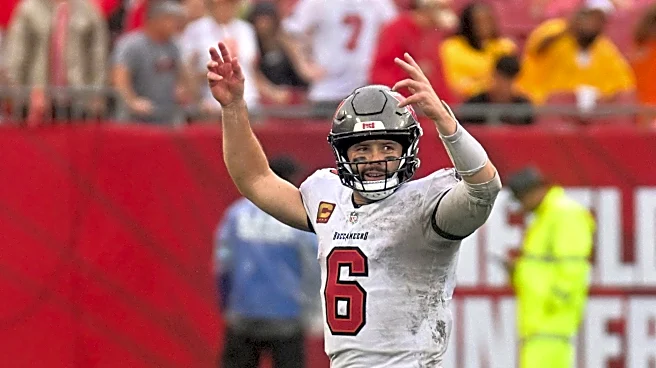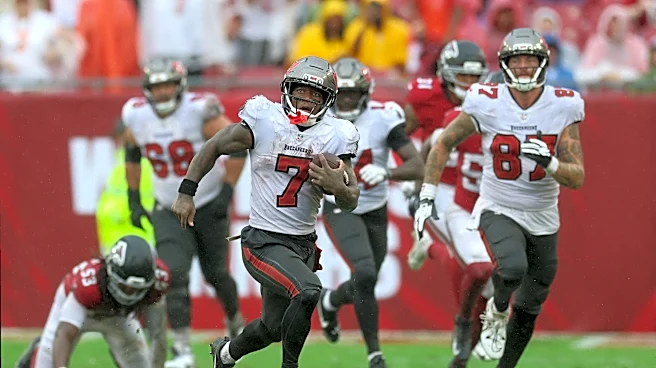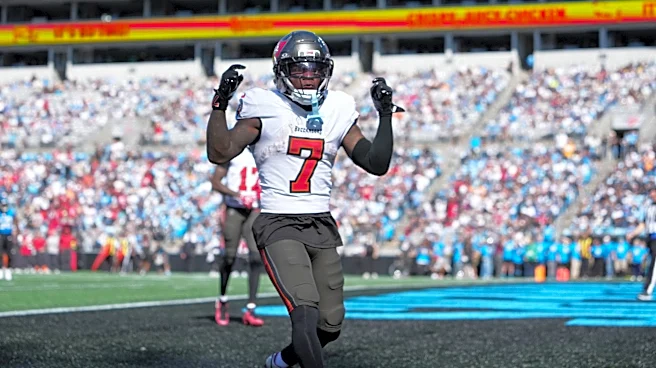

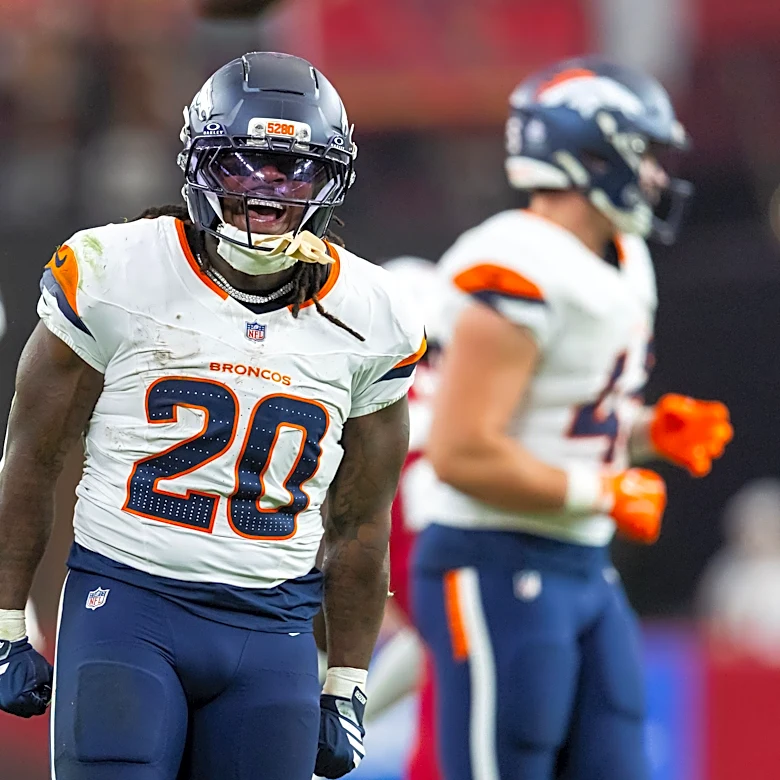


The Tampa Bay Buccaneers have built their offense around the running game, producing a franchise-record 582 rushing yards over their last two contests. However, Sunday's Week 9 matchup against the Chicago Bears will significantly test Bucky Irving, Kenneth Gainwell, and Tampa Bay's interior offensive line.
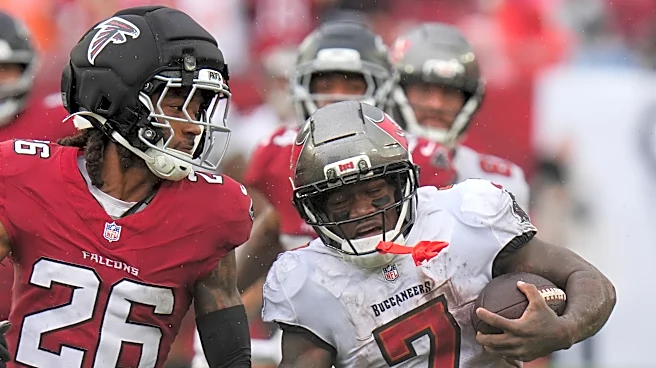
The Buccaneers rushed for 258 yards against Carolina before setting a franchise record with 324 against Atlanta. Irving and Gainwell combined for 310 yards in Week 8, but Chicago's addition of defensive tackle Jeffery Simmons makes repeating that production considerably more difficult.
Chicago's run defense presents a challenge
According to Sharp Football Analysis, Chicago has a 67.6% defensive success rate against running back carries, ranking sixth in the NFL. The Bears have allowed
a first down or touchdown on just 16.2% of those attempts, the third-lowest rate in the league.
Chicago also allows only 104.6 combined rushing and receiving yards per game to opposing running backs, the sixth-fewest in the league. However, opponents average just 20.9 running back touches per game against the Bears, the NFL's lowest figure. That limited workload contributes to Chicago's low yardage allowance.
The Bears have shown some vulnerability to explosive runs, allowing at least 10-yard gains on 10.3% of running back carries, ranking 22nd defensively.
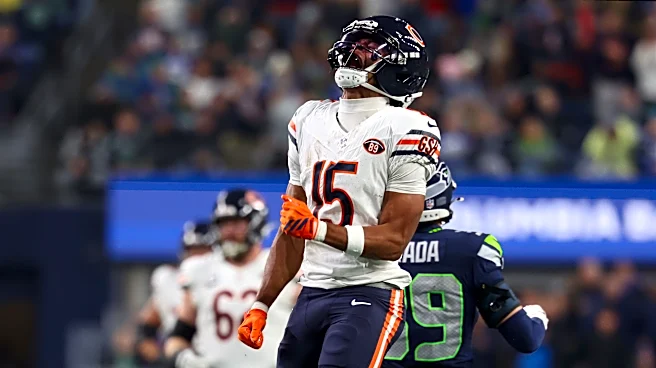
Simmons adds another layer of defensive depth to Sunday night's challenge. Simmons was acquired from Tennessee before the trade deadline; the star veteran defensive tackle recorded six tackles and a sack in his Chicago debut against Seattle. His ability to penetrate the backfield and occupy blockers could disrupt Tampa Bay's interior running lanes, forcing the Buccaneers to create opportunities elsewhere.
Bucky Irving: Start as an RB2
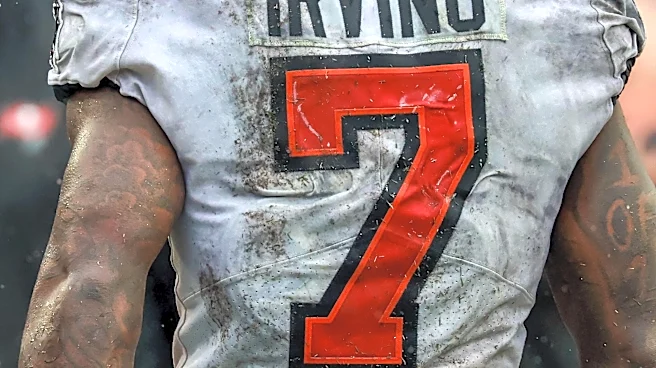
Irving rushed for a career-high 170 yards and a touchdown on 27 carries against Atlanta, averaging 6.3 yards per attempt. He has surpassed 100 rushing yards in three of his last four games and recorded at least 20 touches in each contest.
His ability to produce after contact could be particularly important against Chicago. According to Buccaneers Communications, citing Next Gen Stats, Irving generated all 170 rushing yards after contact against the Falcons and forced eight missed tackles; those plays added 44 yards after the missed tackles.
Irving's contact balance gives him opportunities to create yardage even when blocking breaks down. Chicago's susceptibility to explosive runs also offers upside, though Simmons could make those opportunities harder to find.
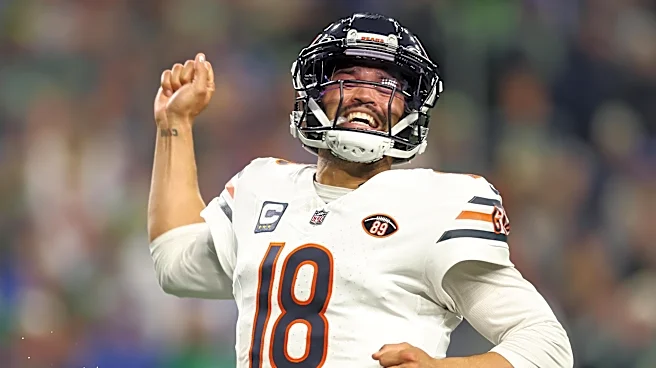
Another consideration is game script. Tampa Bay has relied heavily on the run in consecutive victories, but falling behind Chicago could force Baker Mayfield to throw more. Irving's receiving ability provides some protection in PPR formats, though Tampa Bay has attempted just 14 passes over its last two games.
Fantasy verdict: Start Irving as a strong RB2. His consistent workload and ability to create yards after contact make him Tampa Bay's safest fantasy option, but Chicago's defensive front lowers expectations.
Kenneth Gainwell: Risky flex
Gainwell rushed for a career-high 140 yards on 25 carries against Atlanta, averaging 5.6 yards per attempt. He matched Irving's 30 offensive snaps as Tampa Bay leaned heavily on its running backs during the rain-soaked shutout.
That workload is encouraging, but fantasy managers should not assume another 25-carry performance. The Buccaneers attempted only three passes against Atlanta, an unusual game plan that created additional rushing opportunities.
Chicago's defensive success against the run makes supporting two productive rushers harder. Simmons could also disrupt the interior gaps Gainwell relies on to accelerate into the second level.
Gainwell offers receiving ability if Tampa Bay needs to increase its passing volume, but his weekly opportunities remain less predictable than Irving's. He was limited Wednesday with a hip injury before returning to full practice Thursday.
Fantasy verdict: Sit in standard leagues, with flex consideration in deeper formats. Gainwell has earned a larger role, but the matchup and uncertain workload make him a risky RB3.
Sean Tucker: Sit
Tucker did not get an offensive snap against Atlanta, despite Tampa Bay running 56 rushing attempts. Irving and Gainwell handled the backfield workload, leaving Tucker without consistent opportunities.
Fantasy verdict: Sit Tucker in all standard formats. Without a dependable role, he offers little immediate fantasy value.
Week 9 fantasy recommendations
This article originally appeared on Bucs Wire: Fantasy football Week 9: Should you start Buccaneers running backs?