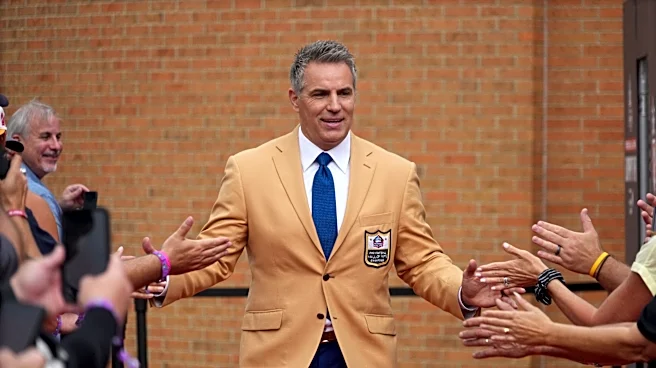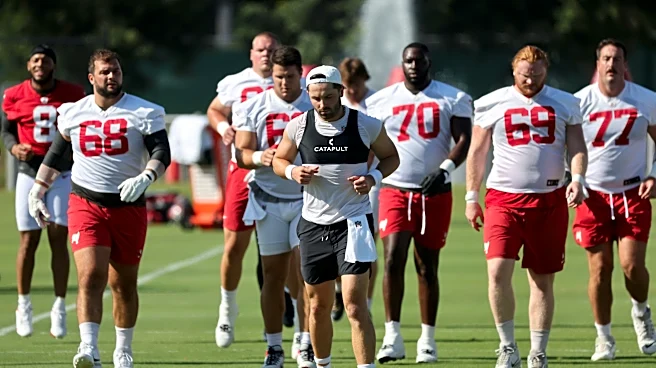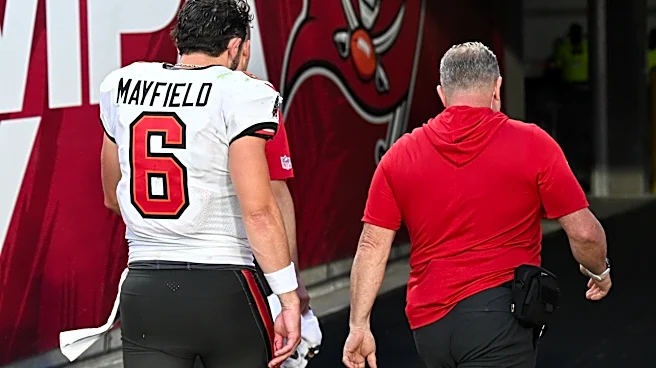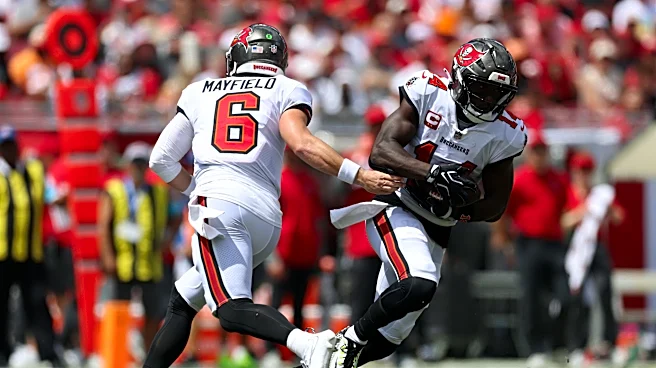


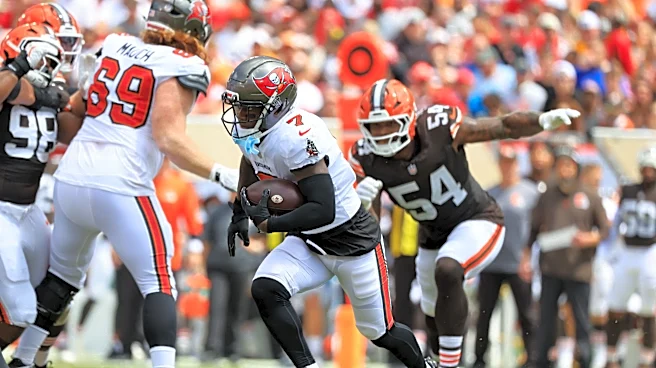
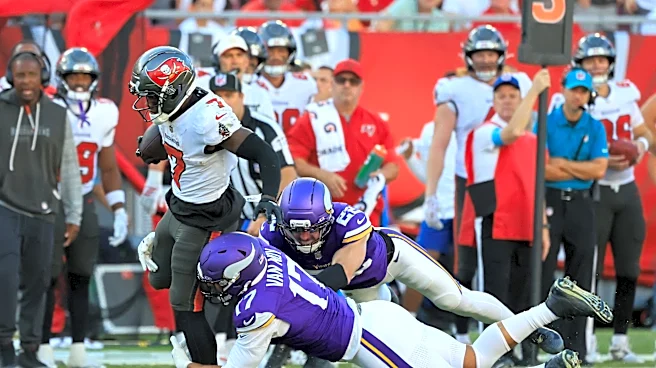
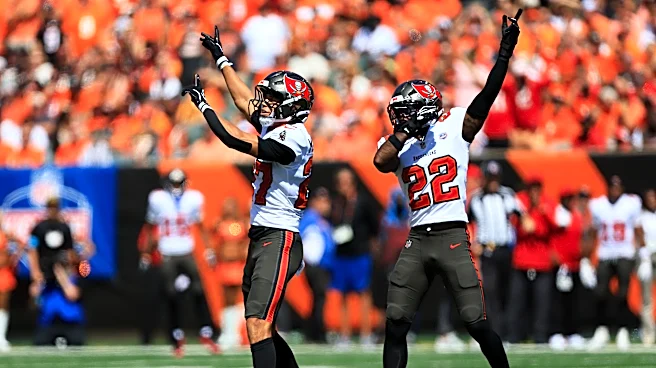
The Buccaneers are only three games into the season, so talking about selling at the trade deadline might seem premature. But if Tampa Bay’s 0-3 start turns into 1-5 or 2- 6, Jason Licht could eventually face a much different question than how to save the season. How much value can he get for veterans who might not be part of the next version of this team?
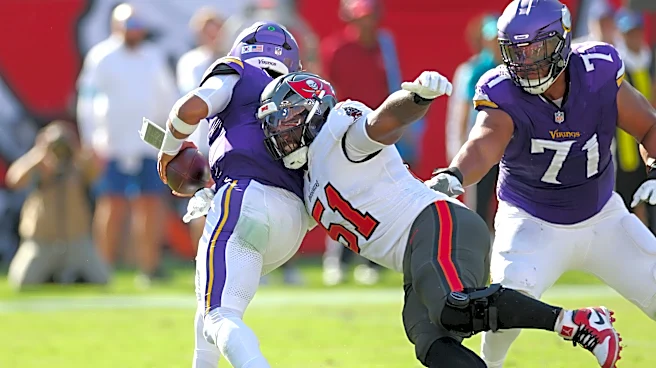
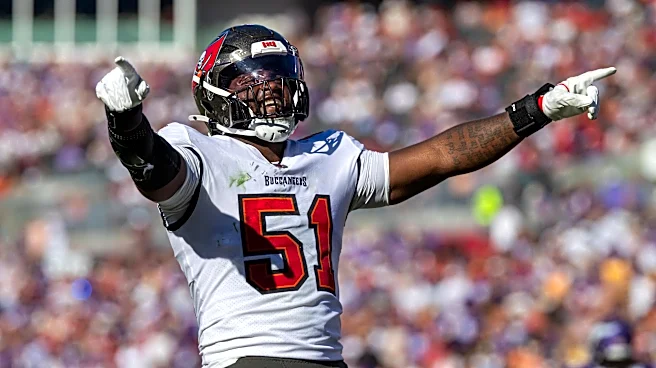
The NFL trade deadline is November 10, giving Tampa Bay plenty of time to determine whether this season can be saved. The Bucs have traditionally preferred to keep their own players rather than trade away established veterans for draft picks, but a continued collapse could make that philosophy harder to justify. Vita Vea would immediately become one of the most interesting names. Tampa Bay extended
him through 2027 in August after he previously requested a trade, so moving him would represent a major change in direction. Vea is 31 and remains one of the league’s more disruptive interior defenders, finishing 2025 with 40 quarterback pressures and 4.5 sacks. That combination of experience and interior pass rush ability could make him attractive to a contender looking for help up front.
Chris Godwin Jr. could create similar interest if Tampa Bay decided to go further with a reset. Godwin is 30, and contenders are always looking for receivers who can work underneath, block, and create after the catch. Trading him would be difficult, given what he means to the franchise, but those emotions matter less if the Bucs are already looking toward 2027. Other veterans could make more sense depending on the return. Alex Anzalone was signed to a two-year deal this offseason, while Tampa Bay could also listen on players at positions where younger options need more snaps. The emergence of David Walker, Rueben Bain Jr., Josiah Trotter, and other young defenders would make it easier to justify giving the next core more playing time.
That does not mean Tampa Bay should start trading foundational players such as Tristan Wirfs, Antoine Winfield Jr., or its best young talent. There is a difference between rebuilding and completely stripping the roster. The goal would be turning older pieces into draft capital while creating opportunities for younger players. Everything depends on what happens over the next month. If Tampa Bay recovers, this conversation disappears, but if the losses continue and the playoffs become increasingly unrealistic, standing still at the deadline would accomplish very little. At that point, Licht may have to stop asking how this roster can save 2026 and start asking which veterans can help build something better in 2027.
This article originally appeared on Bucs Wire: Could Bucs become sellers if the 2026 season keeps slipping?