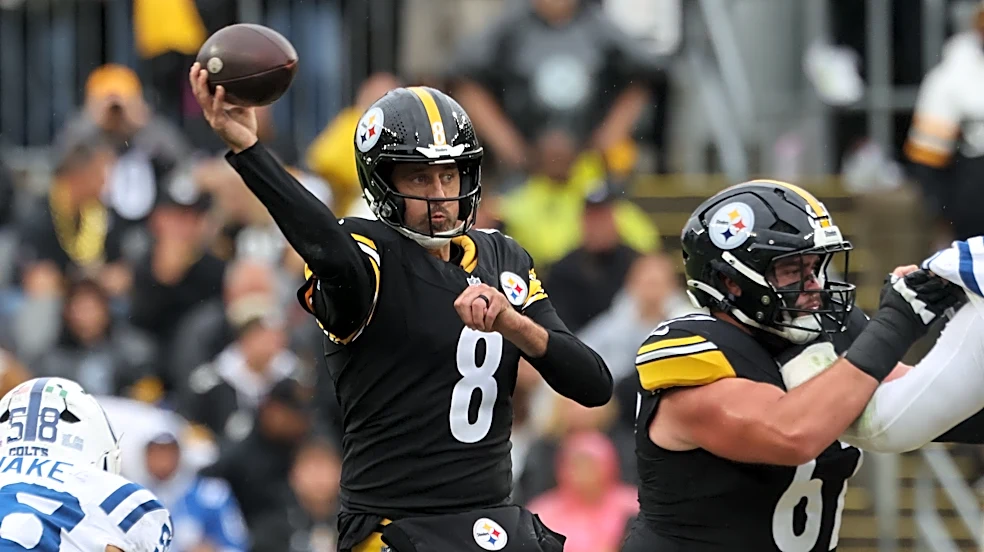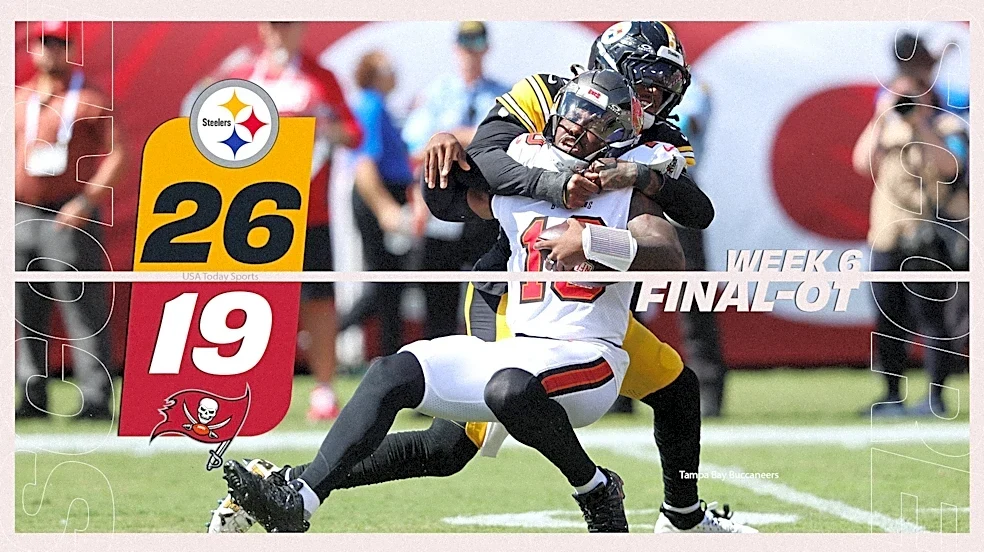

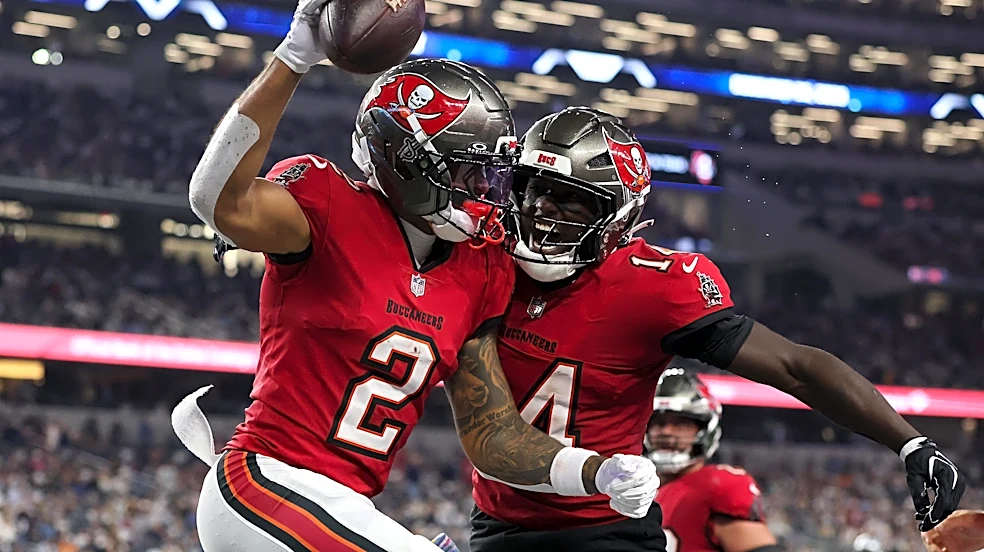

The Tampa Bay Buccaneers appeared to have control of Sunday's matchup against the Pittsburgh Steelers, but a promising afternoon turned into another disappointing finish. Tampa Bay carried a 16-3 lead into the fourth quarter before Pittsburgh stormed back to secure a 26-19 overtime victory at Raymond James Stadium.
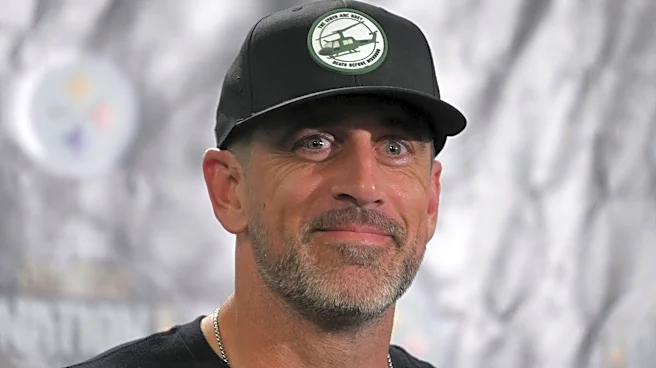
What makes this loss particularly frustrating is how many opportunities the Buccaneers had to put the game away. Their defense spent much of the afternoon making Aaron Rodgers uncomfortable, creating turnovers and getting off the field on third down. However, the offense struggled to capitalize on those opportunities, and the mistakes eventually caught up with Tampa Bay.
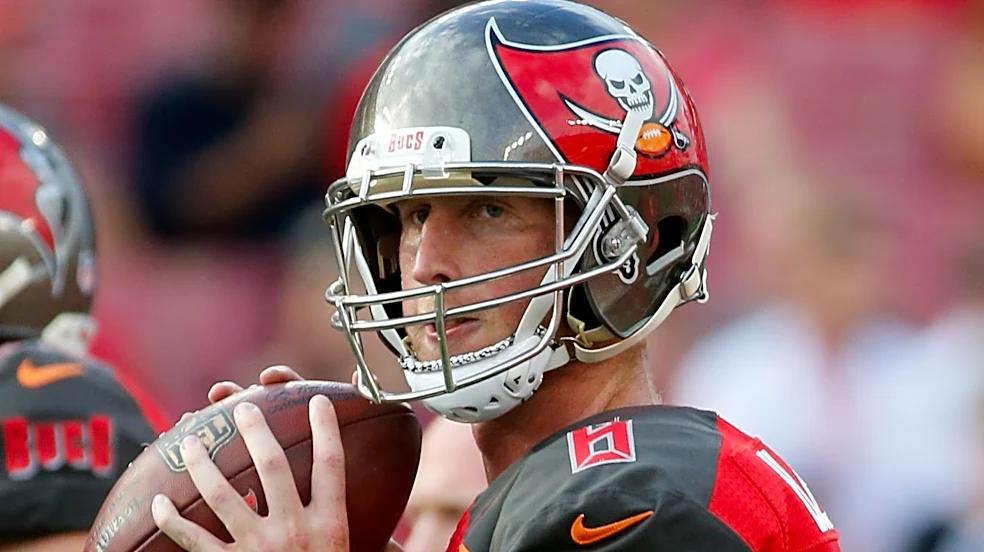
Jalon Daniels finished 22-of-43 for 164 yards, one touchdown and
two interceptions. The undrafted rookie showed flashes of his athleticism, particularly when extending plays with his legs, but his accuracy was inconsistent throughout the afternoon. Several passes sailed high, landed behind receivers, or fell just out of reach, including multiple opportunities to connect with Emeka Egbuka.
Daniels deserves credit for keeping plays alive and making something happen when protection broke down. Even still, there is a difference between extending plays and consistently moving an offense downfield. Tampa Bay struggled with the latter, finishing with just 224 total yards despite having a few opportunities to build on its early lead.
The offensive line didn't make matters easier, allowing five sacks for 42 lost yards. The final play summed up those struggles when Jalen Ramsey came untouched off the edge and brought down Daniels for an 11-yard loss on fourth down in overtime. It was Ramsey's second sack of the afternoon and ended Tampa Bay's final opportunity to respond.
The rushing attack wasn't much better. Bucky Irving managed just 46 yards on 19 carries, averaging 2.4 yards per attempt. The lack of consistent production on the ground placed even more responsibility on Daniels, who was frequently forced into passing situations against a Pittsburgh defense featuring T.J. Watt, Alex Highsmith and Ramsey.
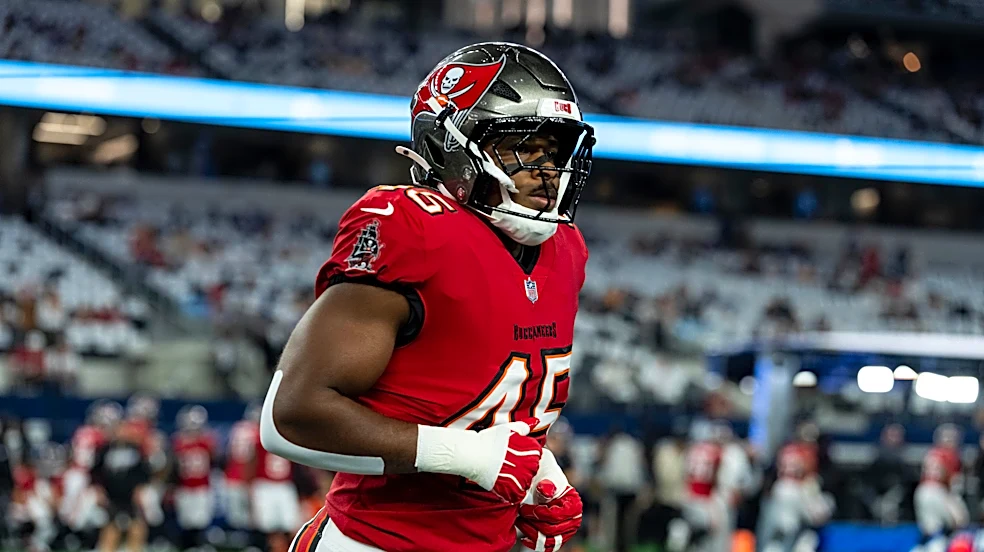
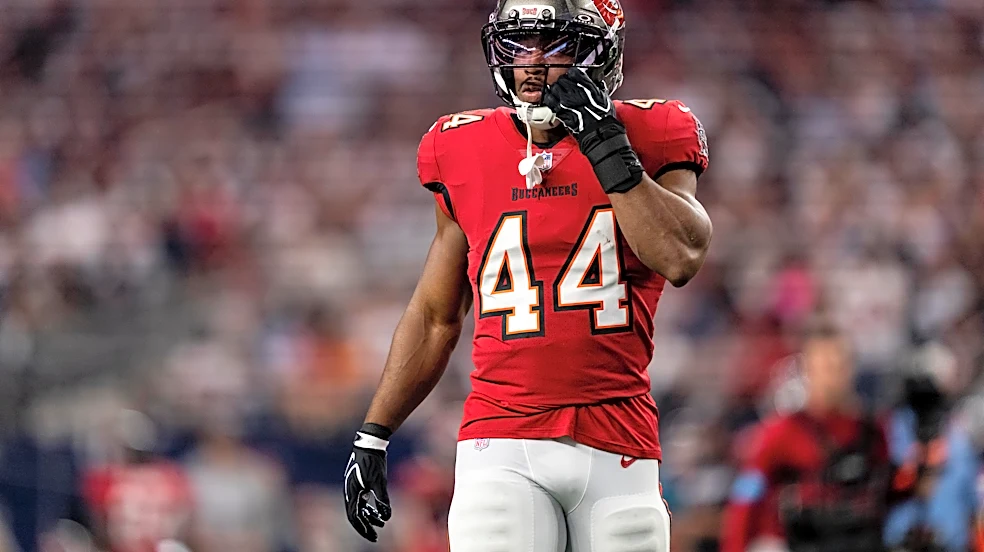
Defensively, Tampa Bay had plenty of performances worth recognizing. The Buccaneers recorded five sacks, including two by David Walker, while A'Shawn Robinson added an interception after catching a tipped pass from Rodgers. Rookies Keionte Scott and Rueben Bain Jr. also recorded sacks, providing another encouraging performance from Tampa Bay's young defenders.
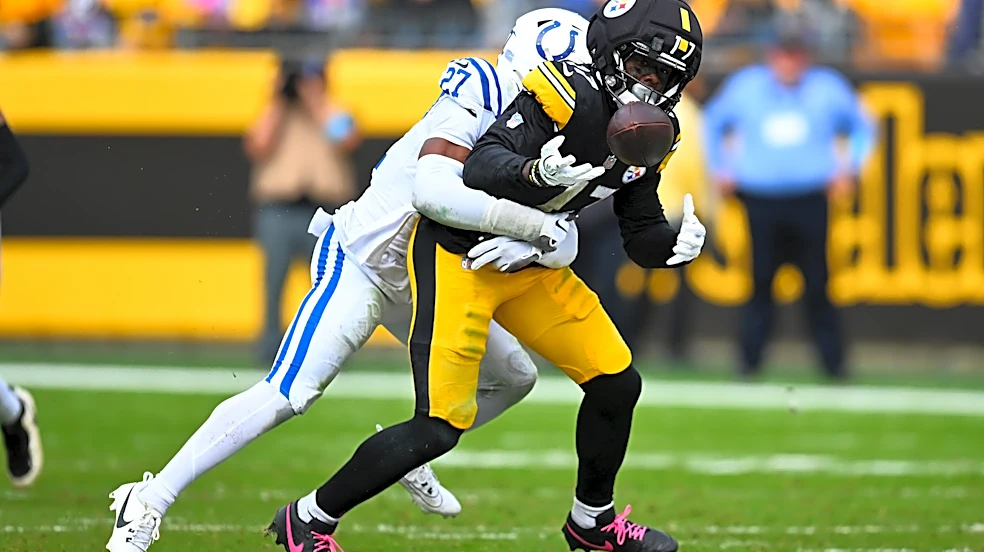
However, the fourth quarter exposed problems on both sides of the ball. Pittsburgh scored 16 unanswered points, taking advantage of two Daniels interceptions, including a costly takeaway by former Buccaneers cornerback Jamel Dean that set up the Steelers' go-ahead field goal.
The defensive struggles became even more apparent in overtime. Pittsburgh opened the extra period with a 12-play, 70-yard touchdown drive, repeatedly finding success with underneath passes, screens and runs. There was nothing particularly complicated about the approach. The Steelers consistently took what Tampa Bay gave them, while missed tackles and poor positioning allowed drives to continue. Rodgers eventually connected with rookie Germie Bernard for a six-yard touchdown.
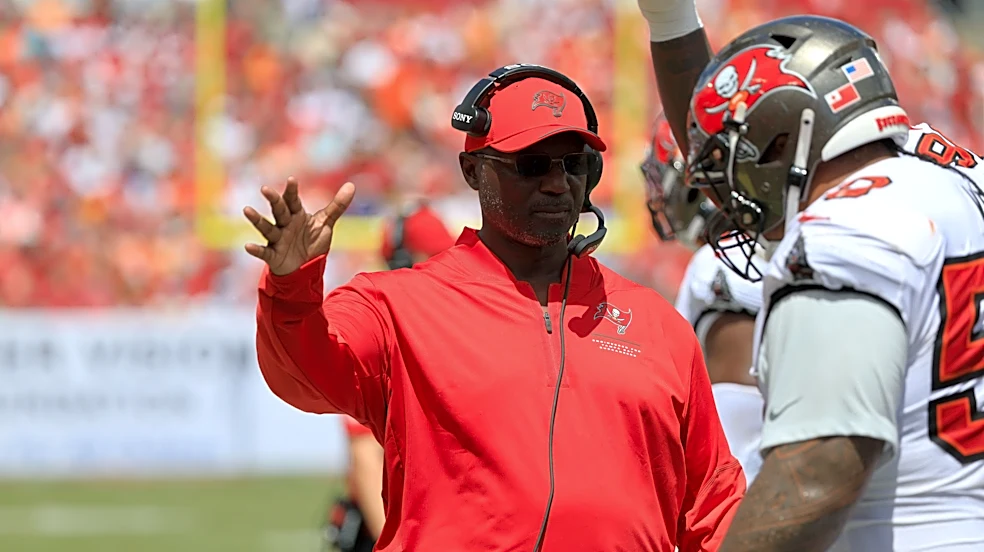
The coaching decisions deserve scrutiny as well. Tampa Bay's late-game approach repeatedly placed Daniels in difficult situations, particularly during the final possession of regulation. After moving near field goal range, the Buccaneers continued throwing the football despite facing a pass rush that had already caused problems throughout the afternoon. A sack pushed Tampa Bay backward and made Chase McLaughlin's eventual tying attempt considerably more difficult.
McLaughlin was one of the few consistent bright spots, connecting on all four field goal attempts, including a 53-yarder with eight seconds remaining in regulation to force overtime. His performance gave Tampa Bay another opportunity to win despite the offense's inability to finish drives.
The Buccaneers finished just 6-of-19 on third down, while Pittsburgh controlled possession for 38:36 and outgained Tampa Bay 300-224. Those numbers reflect an offense that struggled to produce consistently and a defense that ultimately spent too much time trying to protect a shrinking lead.
At 1-5, the Buccaneers have plenty of questions to answer. There were encouraging individual performances, especially from their young defenders, but those efforts weren't enough to overcome inconsistent offensive execution and a defense that couldn't finish the job. Tampa Bay had a 13-point fourth-quarter lead at home and still couldn't find a way to win. The mistakes, protection issues, and late-game decisions that contributed to this loss will only bring more scrutiny as the season continues.
This article originally appeared on Bucs Wire: Bucs' squander 13-point lead in crushing overtime loss to Steelers