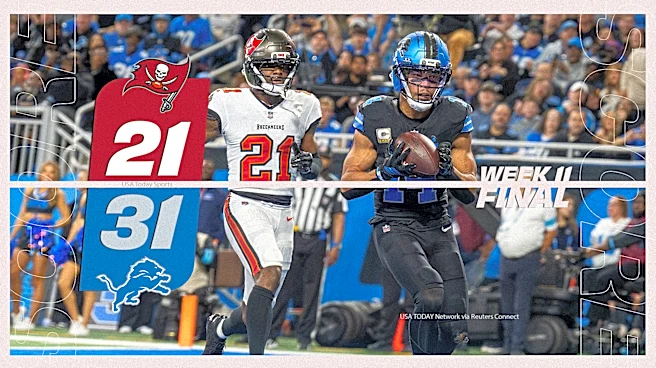

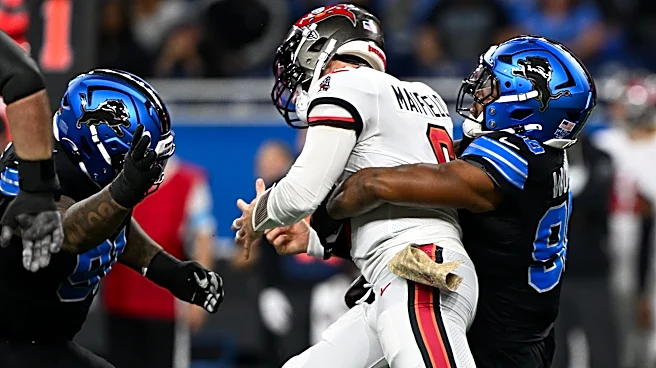
The Tampa Bay Buccaneers had opportunities to make things interesting against the Detroit Lions, but costly mistakes and inconsistent execution contributed to a 31-21 loss at Ford Field. Tampa Bay pulled within three points late in the third quarter before Detroit scored 14 unanswered points in the fourth, handing the Buccaneers their seventh loss of the season.
Some individual performances were still worth recognizing, particularly from Tampa Bay's younger players. Others struggled to make an impact when the offense needed them most. Here are the biggest winners and losers from Week 11.
Winner: Ted Hurst III
Ted Hurst III needed a game like this. The rookie receiver had struggled to find consistent production, but against Detroit, he became Baker Mayfield's most productive
target, catching five passes for 56 yards and two touchdowns on a team-high seven targets.
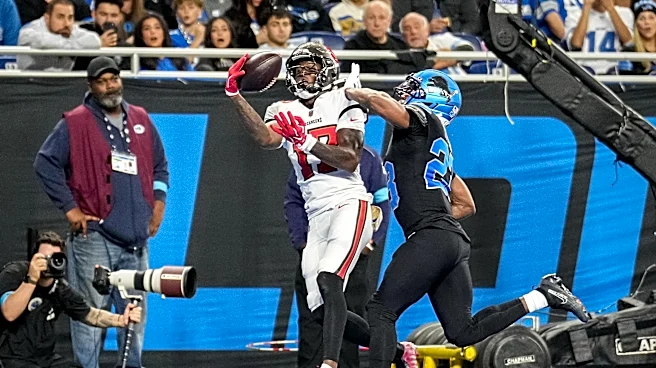
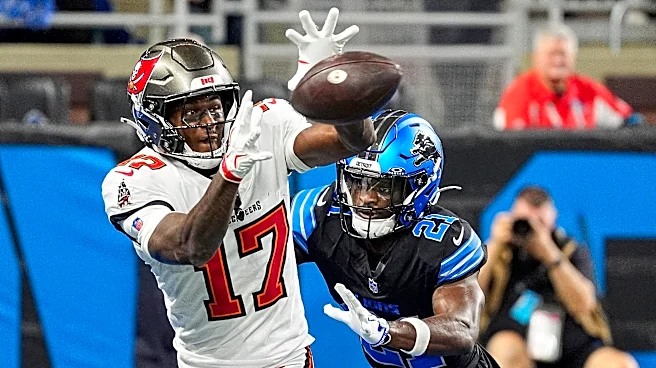
His first touchdown was the more impressive of the two. Working down the right sideline against Rock Ya-Sin, Hurst tracked Mayfield's pass over his shoulder and secured the 23-yard score just before halftime. His second touchdown came in the final seconds, when he made another clean reception on a short out route. The game was already out of reach, but Hurst showed the route-running and concentration Tampa Bay has been looking for. The next challenge is making that production more consistent.
Winner: David Walker
David Walker continues to make a strong argument for additional playing time. He recorded three combined tackles, two tackles for loss, two quarterback hits, and Tampa Bay's only sack despite playing just 19 defensive snaps.
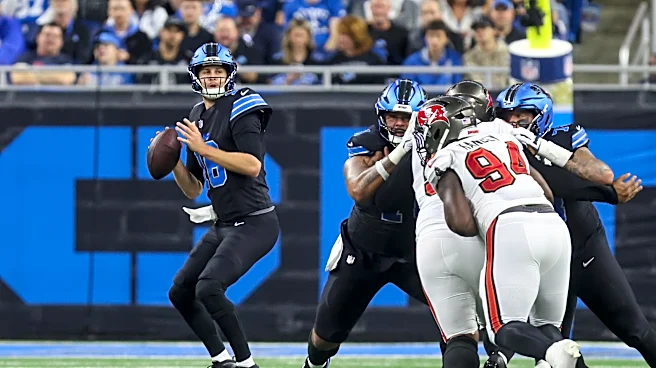
Walker showed impressive effort pursuing Jared Goff into the pocket and bringing him down in the fourth quarter. He also made an excellent tackle in punt coverage earlier in the game, although he was later flagged for a false start on special teams. The penalty deserves mention, but it doesn't erase his defensive contributions. With Yaya Diaby returning from injury, Tampa Bay has options in its edge rotation, and Walker is making it hard to justify limiting his opportunities.
Winner: Bucky Irving
Bucky Irving's 68 rushing yards on 18 carries don't fully capture how hard he worked against Detroit. He consistently fought through contact, showed patience when running lanes took time to develop, and used his agility to gain extra yardage. He also caught three passes for 32 yards, finishing with 100 yards from scrimmage and a touchdown.
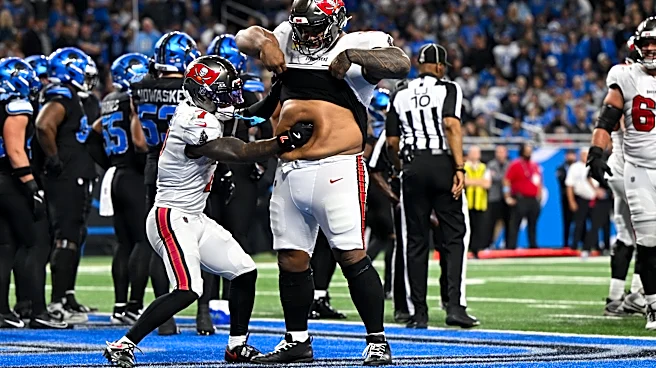
His biggest play never reached the scoreboard. Irving broke free for an apparent 80-yard touchdown early in the third quarter, but Luke Goedeke's holding penalty wiped it away. He later scored from one yard out with Vita Vea contributing as a blocker in the backfield. Detroit made life difficult for Tampa Bay's running game, but Irving continued finding ways to contribute.
Loser: Offensive line execution
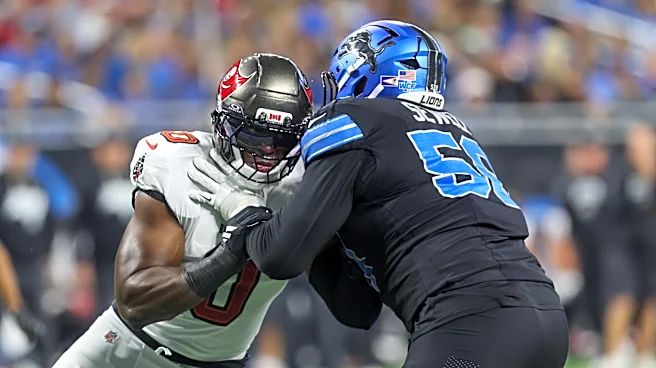
Tampa Bay's offensive line had a difficult afternoon, allowing four sacks for 33 yards and struggling to create room in critical short-yardage situations. The Buccaneers failed on consecutive runs by Irving inside Detroit's 11-yard line during the first quarter, turning a promising possession into a turnover on downs.
Goedeke's holding penalty on Irving's 80-yard touchdown was the most damaging mistake. Tampa Bay couldn't recover and eventually punted before Detroit answered with a 57-yard touchdown pass to Jameson Williams. Mayfield occasionally made protection more difficult by leaving the pocket early, so the offensive line wasn't responsible for every breakdown. However, the group needed more consistent protection and better execution when the Buccaneers had chances to take control.
Loser: Tampa Bay's established receiving options
Hurst provided a much-needed spark, but Tampa Bay received little production from its more established receivers. Chris Godwin finished with three receptions for 13 yards, while Emeka Egbuka caught two passes for 18 yards on five targets. Tez Johnson added two receptions for 17 yards, leaving the Buccaneers searching for someone beyond Hurst to consistently threaten Detroit's coverage.
Egbuka's involvement is worth a closer look. He played 49 offensive snaps and received five targets but couldn't make a significant impact. Godwin played 60 snaps and was targeted only three times. Some of that responsibility belongs to the offense's overall approach, not the receivers alone, but Tampa Bay needs more from its established passing options if it expects to move the ball consistently.
Loser: Tampa Bay's offensive operation
The Buccaneers struggled with more than blocking and catching passes. Getting organized before the snap became a recurring problem in the loud environment at Ford Field. Tampa Bay committed eight penalties for 58 yards, including two delay-of-game penalties, and often seemed to rush to beat the play clock.
The most concerning sequence came late in the fourth quarter. Facing fourth-and-14 while trailing 24-14, the Buccaneers hurried into the snap instead of using a timeout to get organized. Mayfield was sacked for a nine-yard loss, giving Detroit possession at Tampa Bay's 34-yard line. The Lions turned that opportunity into another Gibbs touchdown, extending the lead to 31-14.
There is no guarantee a timeout would have changed the outcome, but Tampa Bay had struggled with its pre-snap operation throughout the afternoon. The offense needed to be better prepared for that situation. Whether the delays came from communication problems, substitutions, or the noise inside Ford Field, the repeated mistakes made an already difficult matchup harder to win.
This article originally appeared on Bucs Wire: Buccaneers winners and losers: Hurst shines in loss to Detroit