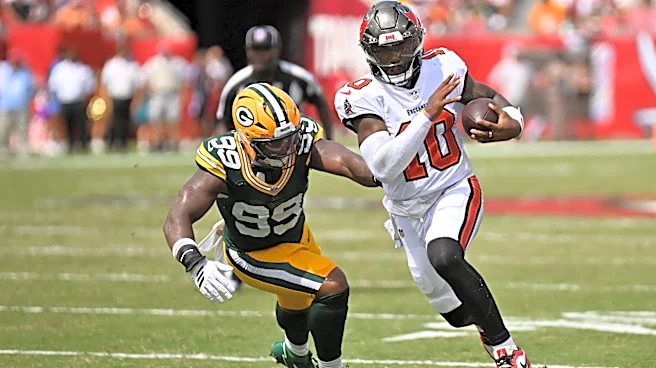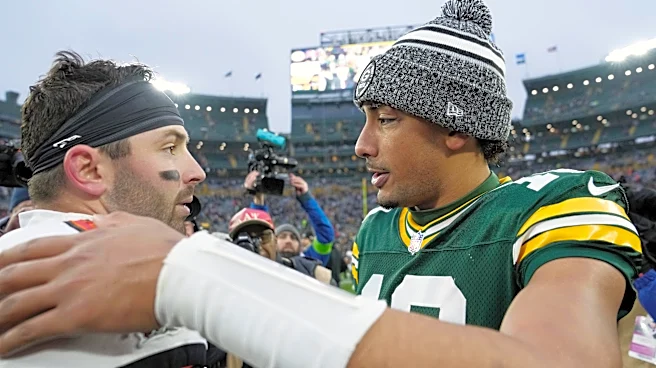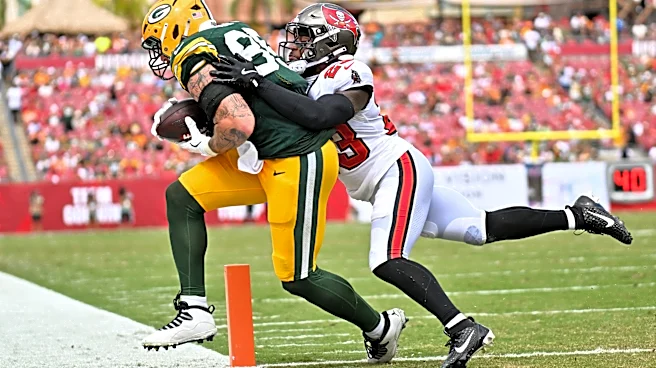


Todd Bowles was adamant two weeks ago that the Buccaneers did not have a tight end problem. Four games into the season, it is becoming increasingly difficult to make that argument. Tucker Kraft became the latest tight end to find success against Tampa Bay on Sunday, catching six passes for 42 yards and a touchdown in Green Bay’s 17 to 14 win. Kraft entered the afternoon with only nine receptions for 106 yards and no touchdowns through three games. Against Tampa Bay, he immediately became a bigger part of the offense, catching a two-yard touchdown after dropping one in the back corner of the end zone in the first half.
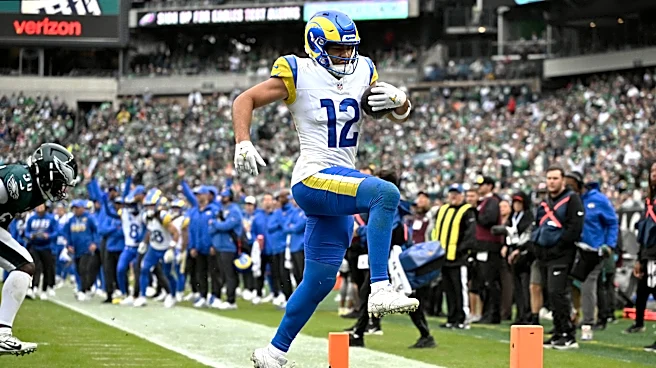
Mike Gesicki opened the season with five catches for 78 yards and a touchdown against Tampa Bay. Cleveland followed by getting
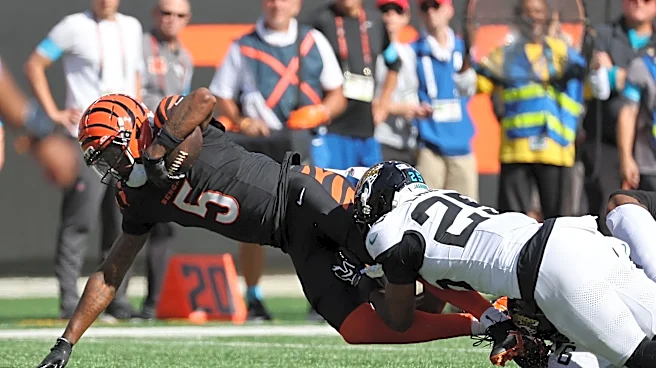
six catches for 71 yards and a touchdown from its tight ends, including Blake Whiteheart, who was completely uncovered for the game-winning score. Through two weeks, the Bucs had already allowed 15 receptions, 172 yards and two touchdowns to the position. When Bowles was asked about it, he disagreed that there was a larger issue. “I don’t think we struggled against it this past weekend,” Bowles said after the Cleveland game. He pointed to missed zone drops against Cincinnati and a busted coverage against Cleveland while saying he did not see the connection between this season and last year.
Tampa Bay allowed 100 receptions for 969 yards and 12 touchdowns to tight ends last season. In 2024, the Bucs surrendered 102 catches for 1,144 yards to the position, the second most receiving yards allowed to tight ends in the NFL. The personnel around the middle of the defense has changed, but the mismatches have remained. That points toward something bigger than one linebacker losing coverage. Bowles’ defense asks linebackers, safeties, and nickel defenders to handle different responsibilities underneath while his pressure packages can create openings when assignments are missed. Kraft showed why that remains dangerous. Tampa Bay had to account for Green Bay’s speed outside with Christian Watson and Matthew Golden, leaving another capable receiving tight end to attack underneath. The Bucs have changed linebackers, nickel defenders, and safeties around Winfield, yet tight ends continue finding production against this defense. At some point, it stops being a coincidence and becomes a weakness opponents know they can attack.
This article originally appeared on Bucs Wire: Another tight end takes over after Bowles denies issues covering them