
Some losses never go away. They become part of a franchise's history for all the wrong reasons. In 2007, one year before John Harbaugh was hired as head coach, the Baltimore Ravens lost to the 0-13 Miami Dolphins.
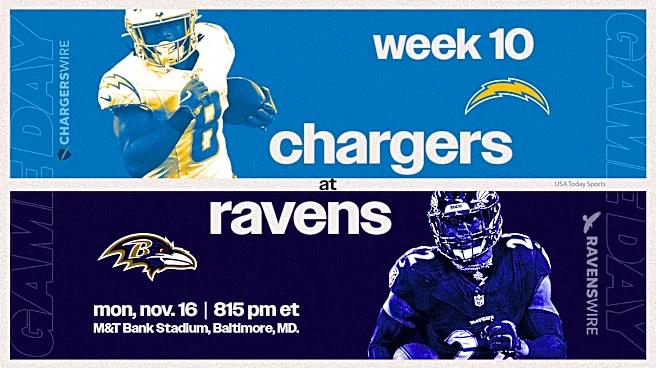
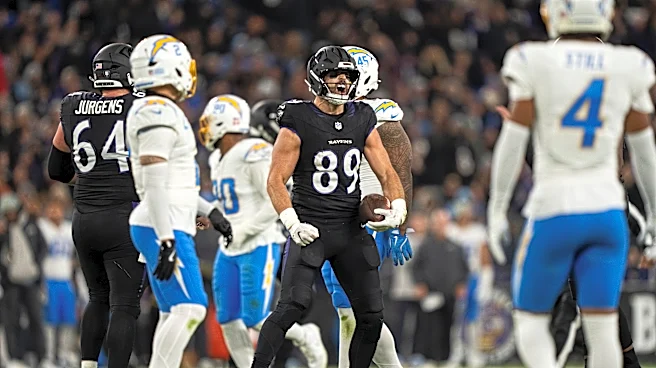
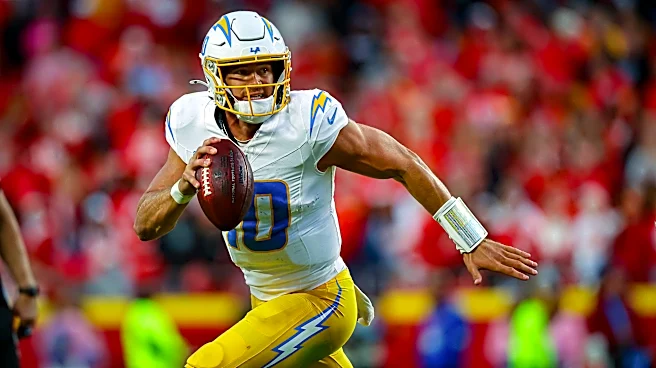
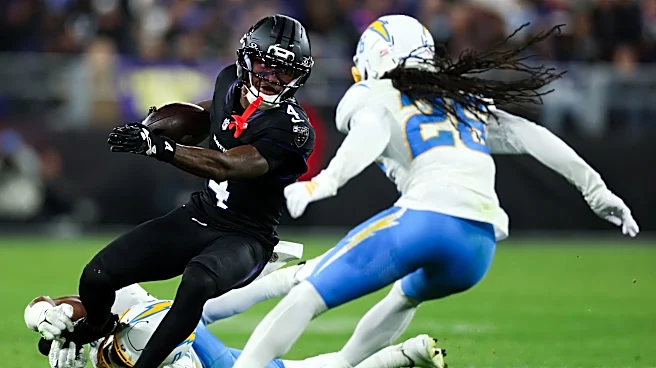
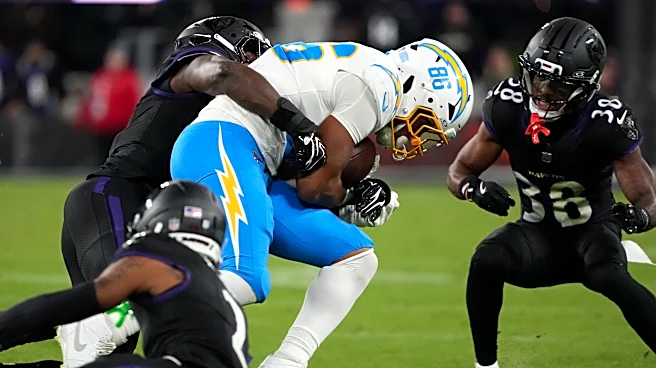
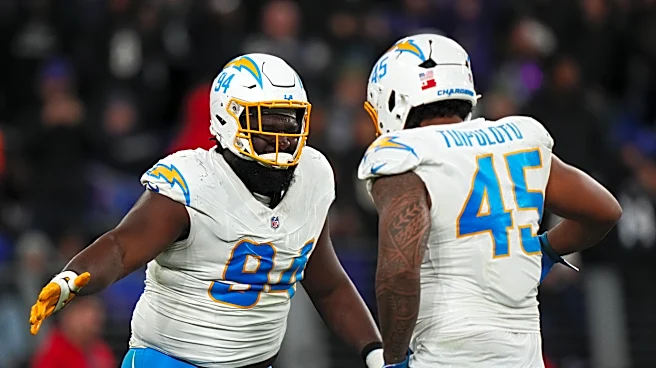
You'd be amazed how many Ravens fans remember that. To make matters worse, that was Miami's only victory of the season. Nearly 19 years later, in the season following Harbaugh's departure, Baltimore suffered another humiliating defeat against a winless opponent. The Los Angeles Chargers entered Monday night at 0-8 and left with their first victory, beating Baltimore 23-20 in front of a national audience.
They never trailed, and their 23 points matched their season high. For a Ravens team that desperately needed a response, the performance
was another difficult reminder of how far things have fallen. The final score tells only part of the story. Several individual trends and statistical developments from Monday night deserve a closer look, and some of them raise questions that extend well beyond one disappointing result.
M&T Bank Stadium has become anything but a home-field advantage
M&T Bank Stadium used to be one of the more difficult places for visiting teams to play. These days, Baltimore's home address doesn't seem to offer much protection. The Ravens are 1-4 at home this season and have gone 4-10 in their home games dating back to last season. The recent trend is even more troubling.
Baltimore has lost seven of its last eight home games and five consecutive primetime contests at M&T Bank Stadium. That's a difficult development for a team accustomed to leaning on its home crowd, particularly when the season has already featured so many disappointing results.
Home-field advantage is supposed to provide a boost, especially when a team needs to regain its footing. Instead, the Ravens have repeatedly watched visiting opponents leave with victories. Until that changes, playing in Baltimore won't carry the same intimidation factor it once did.
Ronnie Stanley's penalty problems continue to mount
Ronnie Stanley had another difficult night, committing two first-half holding penalties that added to his growing season total. He's now been penalized 11 times this season, making him the most penalized player on Baltimore's roster.
That's a particularly frustrating development for a veteran offensive lineman who is supposed to provide stability. Baltimore has struggled to establish its offensive identity, and penalties that erase positive plays or put the offense behind schedule only make the job more difficult.
The Ravens have enough problems to address without repeatedly losing (or giving away) yards through avoidable mistakes. Stanley's latest penalties are another example of how self-inflicted setbacks continue to undermine the offense.
Jacoby Brissett has a troubling history against man coverage
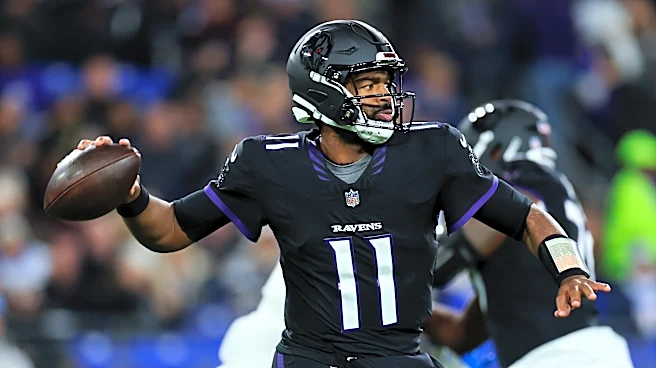
One of the more revealing statistics from Monday night's broadcast involved Jacoby Brissett's performance against man coverage. An ESPN graphic late in the first half showed that Brissett had thrown six interceptions against man coverage this season, the most in the NFL.
That's a number worth monitoring as Baltimore evaluates its new quarterback and works to build a more consistent passing attack. Brissett gave the Ravens considerably more production through the air than they had received during their recent struggles. However, two team turnovers also illustrated how quickly a promising possession can unravel.
The coverage split needs context before it becomes a verdict on Brissett’s fit. Attempts, touchdowns and the circumstances of those interceptions would help establish how significant the problem has been. Baltimore can evaluate Monday’s decisions on film, but the interception total alone does not explain which coverages the Ravens should expect or how consistently Brissett has handled them.
Zay Flowers' ball-security issues are becoming a costly trend
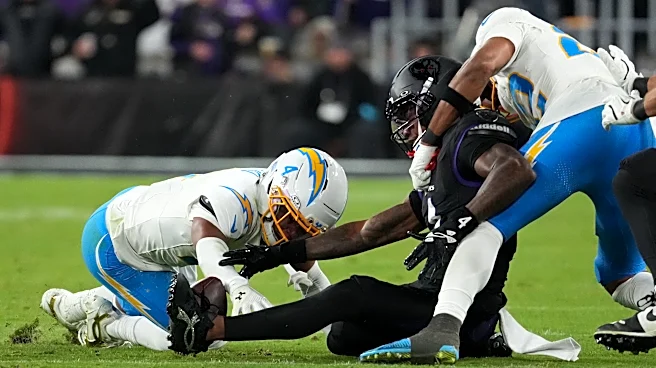
Flowers has become one of Baltimore's most important offensive weapons, but his latest fumble added another concerning entry to an increasingly uncomfortable statistical trend. According to Jamison Hensley, citing ESPN Research, Flowers' three fourth-quarter fumbles over the last two seasons are the most by any wide receiver during that span.
Hensley also reported that Monday's lost fumble was the fifth of Flowers' career, including the playoffs. That ties him with Garrett Wilson and Xavier Gipson for the most among wide receivers over the same period.
That was Zay Flowers' 5th career lost fumble including playoffs.
— Jamison Hensley (@jamisonhensley) November 17, 2026
That's tied with Garrett Wilson and Xavier Gipson for most among WR over that span, per ESPN Research.
Ravens wide receiver Zay Flowers has trouble holding onto the ball in critical situations.
— Jamison Hensley (@jamisonhensley) November 17, 2026
His three fumbles in the fourth quarter over the last two seasons are the most by any wide receiver over that span, according to ESPN Research.
There's no questioning Flowers' ability to create explosive plays or his importance to Baltimore's passing game, but production and ball security have to coexist. His late fumble against the Chargers came at a particularly damaging moment, with the Ravens moving toward midfield and still having a chance to tie or take the lead. Baltimore couldn't afford to give away that possession, and Flowers has to do a better job of protecting the football when the stakes are highest.
Derrick Henry's remarkable primetime streak finally ends
Henry has built a reputation as one of the NFL's most productive running backs under the brightest lights. Before Monday night, he had gone 33 consecutive primetime games without rushing for fewer than 25 yards, according to Sam Reno. That tied him with Ezekiel Elliott for the longest such streak in NFL history.
Derrick Henry had never rushed for fewer than 25 yards in primetime prior to tonight
— Sam Reno (@sreno_24) November 17, 2026
He entered MNF with 33 straight primetime games of at least 25 rushing yards, tied with Ezekiel Elliott for the longest streak in NFL history...
...a streak ending tonight with just 10 yards
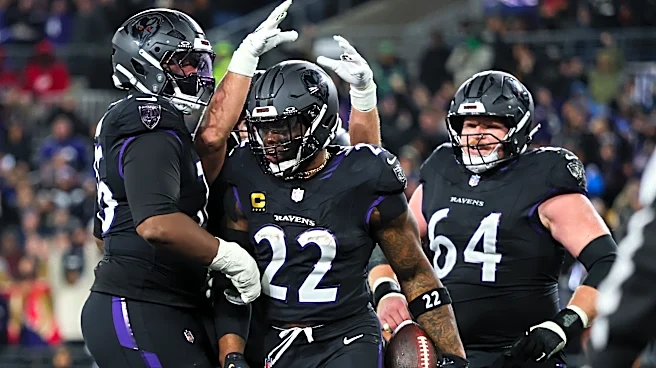
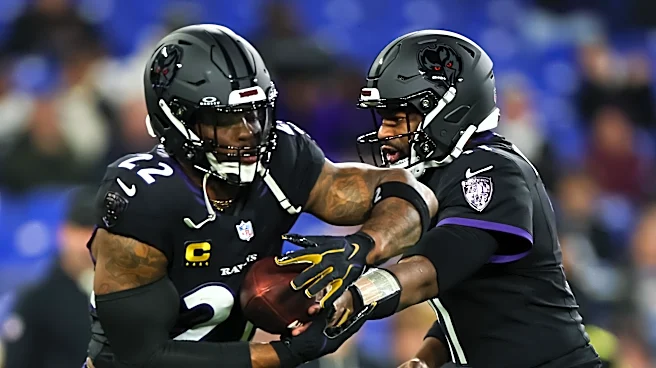
The streak ended against Los Angeles. Henry finished with just 10 rushing yards on 10 carries, falling well short of the mark he had maintained for so long. He did score twice, but both touchdowns came on short runs from inside the 2-yard line.
That distinction matters. Henry remained a factor when Baltimore reached the goal line, but the Chargers kept him from having the kind of impact between the tackles that had made his primetime streak so remarkable. His two touchdowns made the stat line look respectable; the end of that 33-game run tells a much different story. An inability to get anything going between the tackles was another indication of how little Baltimore could rely on its ground game.
For a team built around establishing the run, that's a problem the Ravens can't keep overlooking, but it raises another question. What have the Ravens shown that demonstrates that they can improve in this regard?
This article originally appeared on Ravens Wire: Ravens’ fifth straight loss exposes five concerning trends to watch